


© The Indian Express Pvt Ltd
Tags:


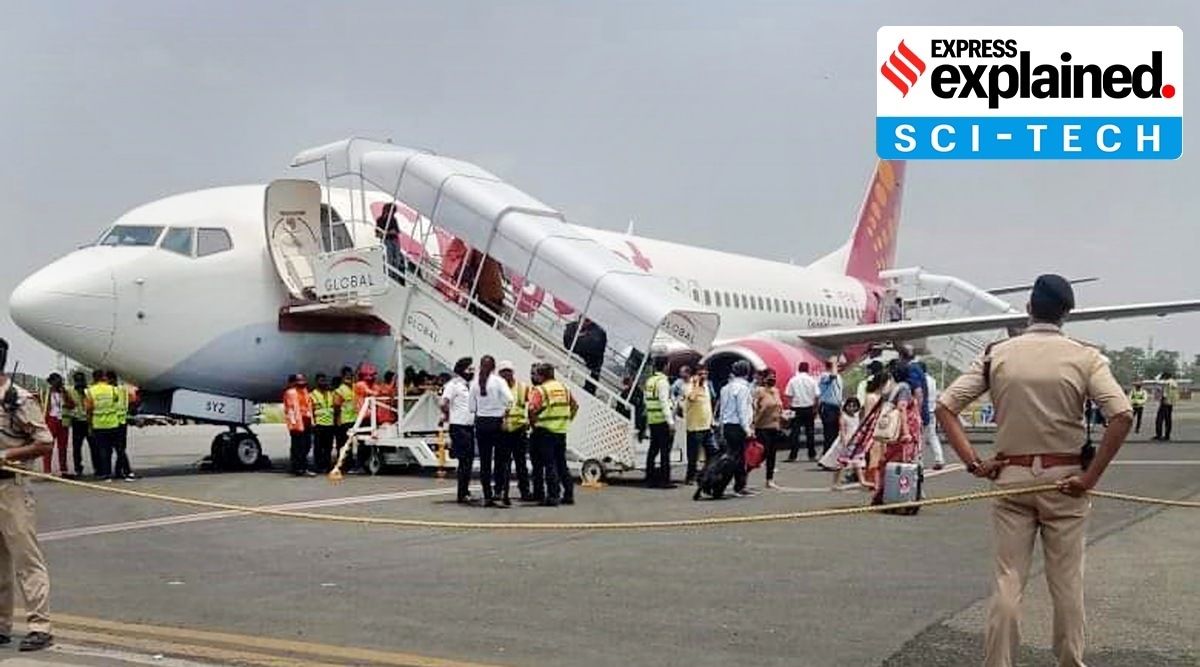
Sunday saw at least two bird strike incidents happen — one involving a SpiceJet plane flying Patna-Delhi and the second on an IndiGo aircraft flying Guwahati-Delhi. Following both of these incidents, the aircraft had to return back to their origin airports and were grounded for maintenance.
What happened on these flights?


Bird strikes are among the most common threats to aircraft safety, and they typically occur during the take-off or landing phases of a flight. Dozens of bird strike incidents happen each day but some can be more dangerous than others. Typically, when birds will collide with an aircraft’s airframe, it is unlikely to cause significant problems for the pilots flying. But there are cases — like the ones that happened on Sunday — where the aircraft engine ingested the birds causing damage to the power plants. This can lead to a loss of thrust for the engine and cause manoeuvrability problems for the crew. In these cases, where a jet engine ingests a bird, procedures would generally call for pilots to get the plane on the ground at the closest airport. However, while most airframe bird strikes are not considered critical to air safety, if the collision has happened with a window or a windscreen resulting in cracking of the structure, pilots will look to land the plane as early as possible.
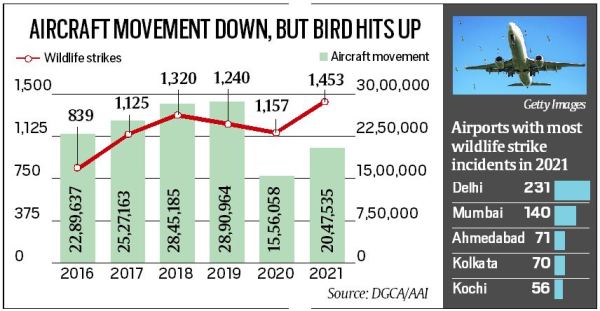
Smaller planes would generally be more susceptible to the dangers of bird strikes than larger ones. Also, modern jetliners are built with a number of redundancies and common passenger aircraft like Boeing 737 or Airbus A320 are designed to safely land with even a single-engine. However, given that bird strikes mostly happen during take-offs and landings, these incidents could distract the pilots during what are highly critical phases of a flight that demand the complete attention of the crew.
In the simplest of terms, the presence of birds around an airfield increases the chances of a bird strike. In monsoons, as water puddles emerge in open grounds attracting insects to breed, it also increases the presence of birds in these regions. In some cases, bird hits also happen at higher altitudes when a plane is cruising. These are more dangerous than the low-altitude hits given that they can cause rapid depressurisation of cabins. Other reasons for bird activity around an airfield could be the presence of landfills or waste disposal sites that attract a large number of birds.
For example, in 2019, the Ahmedabad airport saw 11 wildlife strike events every 10,000 flights. One of the key reasons behind this was the dismantling of a large garbage dump in Ahmedabad that was located almost directly in the trajectory of flights approaching the airport, a move that has caused the birds circling the landfill to disperse. The Ministry of Civil Aviation and the DGCA have recognised wildlife strikes, including bird and animal hits, to aircraft as one of the “State Safety Priority”, and the aviation regulator regularly carries out aerodrome inspections that are considered critical with regard to wildlife strikes. Aviation authorities, along with local agencies, work on reducing wildlife presence around airports from time to time.
Newsletter | Click to get the day’s best explainers in your inbox


