


© IE Online Media Services Pvt Ltd
Tags:


With the successful launch of India’s Moon mission Chandrayaan-2 on Monday, all eyes are now on September 7 when the lander and rover modules of the spacecraft will make a soft landing on the surface of the moon.
The lunar mission, which had only a few minutes window to set on its 384,400 km journey to Moon, successfully took off at 2:43 pm from the Satish Dhawan Space Centre from Sriharikota in Andhra Pradesh.


The 640-tonne GSLV Mk-III rocket successfully injected the 3,850-kg Chandrayaan-2 composite module into the Earth’s orbit. According to the revised flight sequence, Chandrayaan-2 would spend 23 days in the Earth’s orbit.
Read | Why the world’s in a second race to the moon
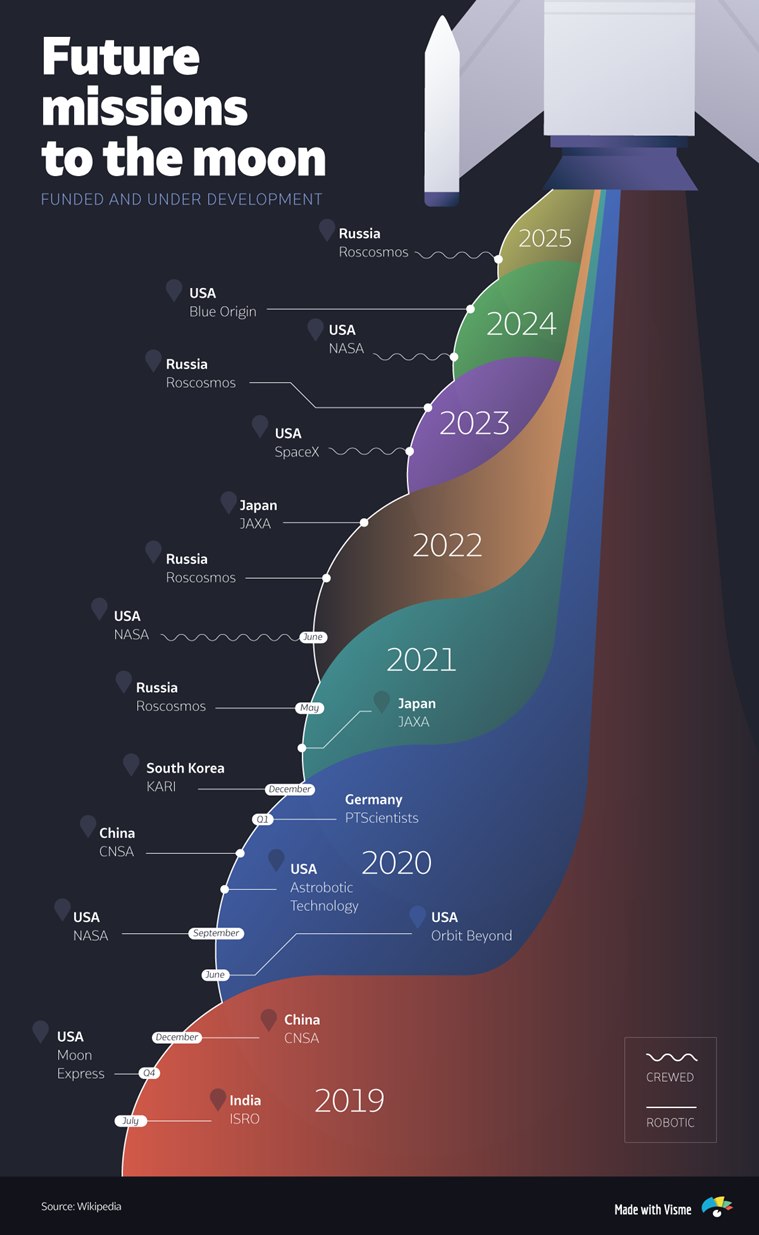
Chandrayaan-2 is expected to spend 13 days in lunar orbit before the Vikram Lander module and the Pragyaan Rover separate from the Orbiter and make their way to the surface of the Moon. The Lander and Rover are designed to work for only 14 days, equivalent to one lunar day, during which they will carry out various experiments and collect data.

The lander module would separate from the Orbiter on Day 43, or September 2, and could continue to go around the Moon for another few days in a lower orbit. The actual landing would happen on September 6, as originally scheduled, or in the early hours of September 7.
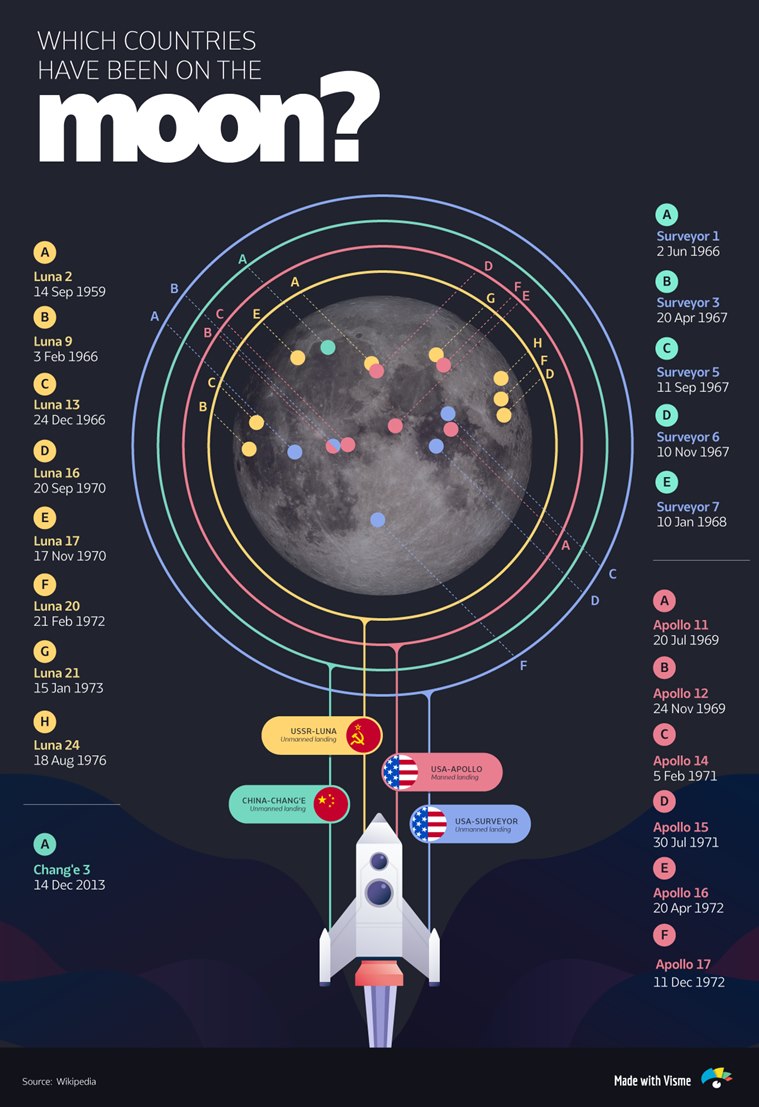
Meanwhile, the orbiter, a 2,379-kg spacecraft with seven instruments on-board, would remain in Moon’s orbit for a year. The orbiter is equipped with different kinds of camera to shoot high-resolution 3-D maps of the surface. It also has instruments to study the mineral composition on the Moon and the lunar atmosphere, and also to assess the abundance of water.
While Chandrayaan-1 was designed just to orbit the moon and make observations with instruments onboard, Chandrayaan-2 will study the south pole of the Moon, a site where no earlier mission has gone. The south pole of the Moon holds the possibility of the presence of water.
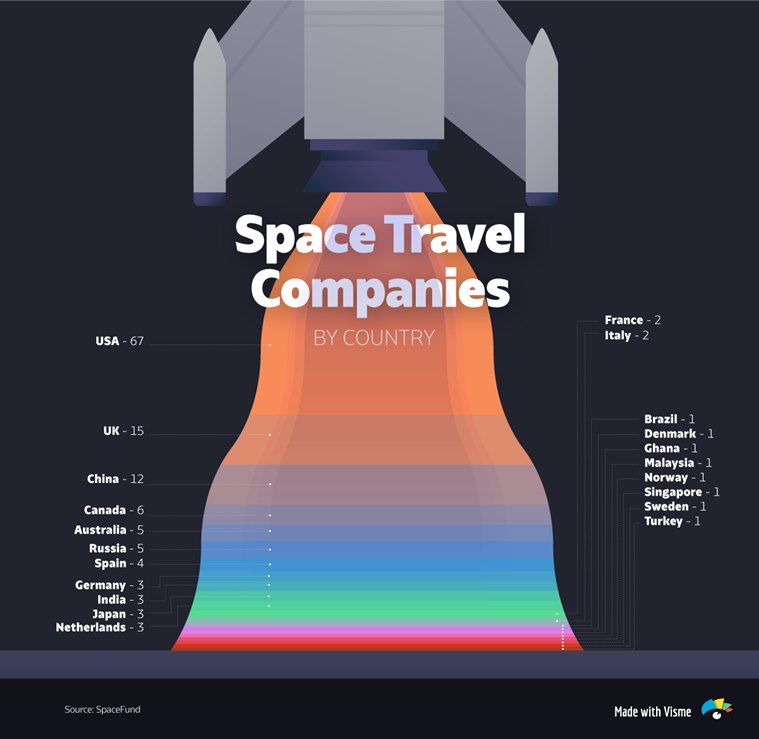
In addition, this area is also supposed to have ancient rocks and craters that can offer indications of the history of the Moon, and also contain clues to the fossil records of the early solar system.


