


Click here to follow Screen Digital on YouTube and stay updated with the latest from the world of cinema.
Tags:


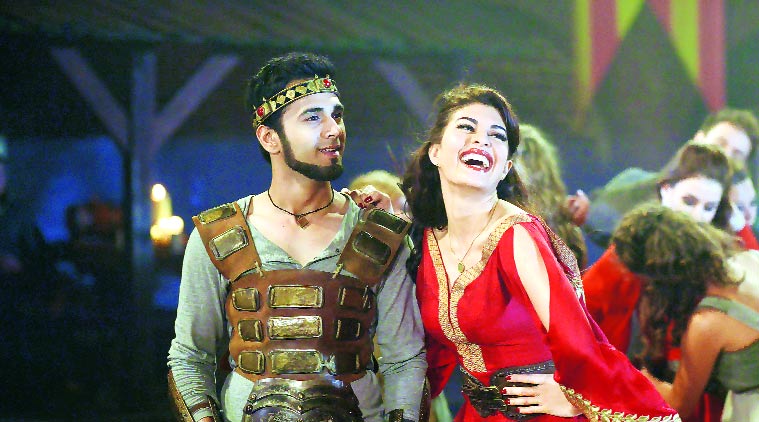
The album’s first song Ishq karenge is a riff on the standard qawwali — the tabla-harmonium combination, the full-throated singing and the mandatory repetitive hookline, it’s all there. There are a couple of delightful phrases: “Slow motion mein with emotion laakhon phool jharenge”, which underline the humour in a song that is about what it means to be in love as inhabitants of the dangerous Bangistan. But there’s a lack of freshness in the composition.


Hypnotic tabla beats, straight out of chillout music, greet us into Maula, a song that addresses the key conflict of Bangistan. It is the “sad song” of the album, and the one that talks straight. “Mujhko kuchh bhi pata nahi tha, waqt bada hi accha tha, Mera koi dharam nahi tha, jab main chhota bachcha tha” — the lyrics are simple and the melody is earnest. But it is also a showcase of singer Rituraj Mohanty’s vocal artistry. Meri zidd, as the name suggests, is an angst-ridden rock number that benefits from the consistent lyrics. Sampath is usually excellent with rock-based numbers and here he displays some tight drumming and guitars.
The album returns to the spoofy zone in the last song Is duniya se ladna hai that sounds like the war-cry for the two aspiring terrorists. There is nothing special about the composition, except perhaps the military drums like-percussions. With six songs and one remix (unnecessary), Bangistan is a decent fare. It doesn’t match up to the greatness of Delhi Belly. But it is original, honest music that doesn’t play the cheap tricks that is so prevalent in film music today.


Click here to follow Screen Digital on YouTube and stay updated with the latest from the world of cinema.


