


Click here to follow Screen Digital on YouTube and stay updated with the latest from the world of cinema.
Tags:


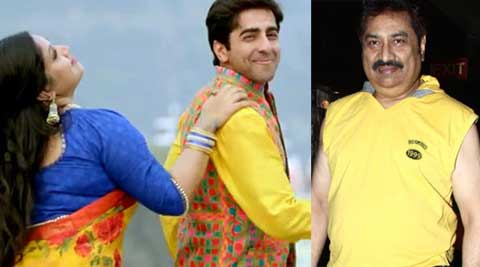
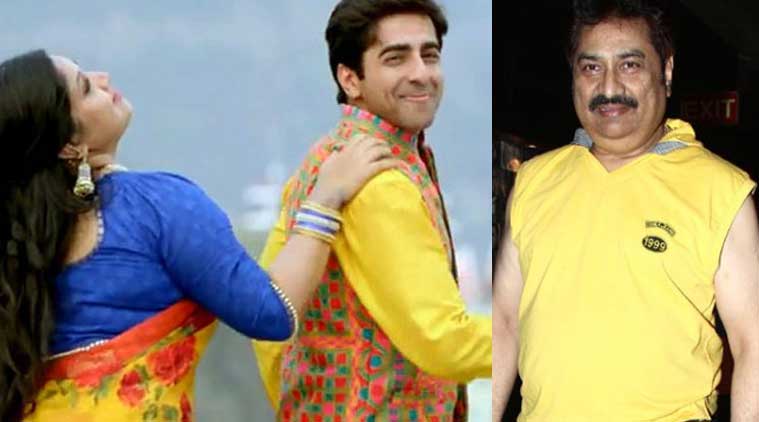
Nineties sensation Kumar Sanu, who crooned his way out of oblivion with Dum Laga Ke Haisha, on the changing industry, music lobbies and why he won’t change.
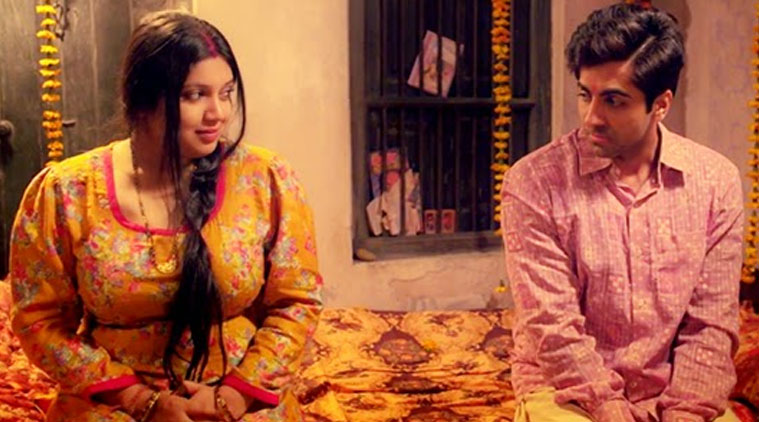
Anu Malik told us that you were in tears when he called you to his studio to sing for Dum Laga Ke Haisha.


You were once the top playback singer. Do you hold a grudge against your audiences, people who forgot about you?
How can I blame the audience for it? People’s tastes haven’t changed. The problem is with the industry and how they manufacture trends and force them on people’s minds. They keep playing a song 40 times a day and they declare it a hit themselves. There are the big lobbies with their own coterie of singers. The scene is polluted. I even know of singers who pay cash and gifts to get offers. What hurt me though, is how the top heroes for whom I used to sing, and in whose success I had a big part to play, forgot me conveniently. I never turned to them for any kind of help.
What is the reason behind your absence from the playback singing scene for over a decade?
I adopted a simple principle that I won’t sing bad songs, songs that require me to scream rather than sing. I abhor bad lyrics. Look at the kind of lyrics that are being written — Chaar bottle vodka, Jalebi bai, Munni badnam hui. Such work should be strongly condemned. The offers still keep coming and I keep refusing. I will only sing the kind of songs I’m known for.
[related-post]
What have you been doing in these past years?
I am still very much a playback singer, thanks to all regional films, especially Bhojpuri, Bangladeshi, Nepali and some low-budget Hindi films. I compose as well. Otherwise, I am busy judging reality shows. However, I am against the bogus audience voting system. I did a Bengali music show because they agreed to my condition that the audience will choose the winners. I also do live shows across the globe. The NRI audience loves me a little more than the one in India. They aren’t influenced by Western trends. They appreciate real Indian music — the kind of melodious songs I’ve sung. If you attend one of the shows, you’ll see three generations of people in the crowd cheering. In fact, in Dayton, Ohio, they celebrate March 31 as Kumar Sanu Day.
What are the major differences you see between the ’90s music and that of today?
The creative collaboration between the composer and the singer used to be a lot more intense. The composer would come up with a tune and I would do a bit of improvisation. Today, the process has also become mechanical, where the singer sits in London and the composer in Mumbai. Secondly, it’s hard to tell one composer from the other. Unlike RD Burman, Laxmikant-Pyarelal, Anand Milind, Bappi Lahiri and Anu Malik, most of the contemporary composers don’t have a distinct style. Same goes for singers.
Click here to follow Screen Digital on YouTube and stay updated with the latest from the world of cinema.


