4 min read

Click here to join Express Pune WhatsApp channel and get a curated list of our stories
© The Indian Express Pvt Ltd



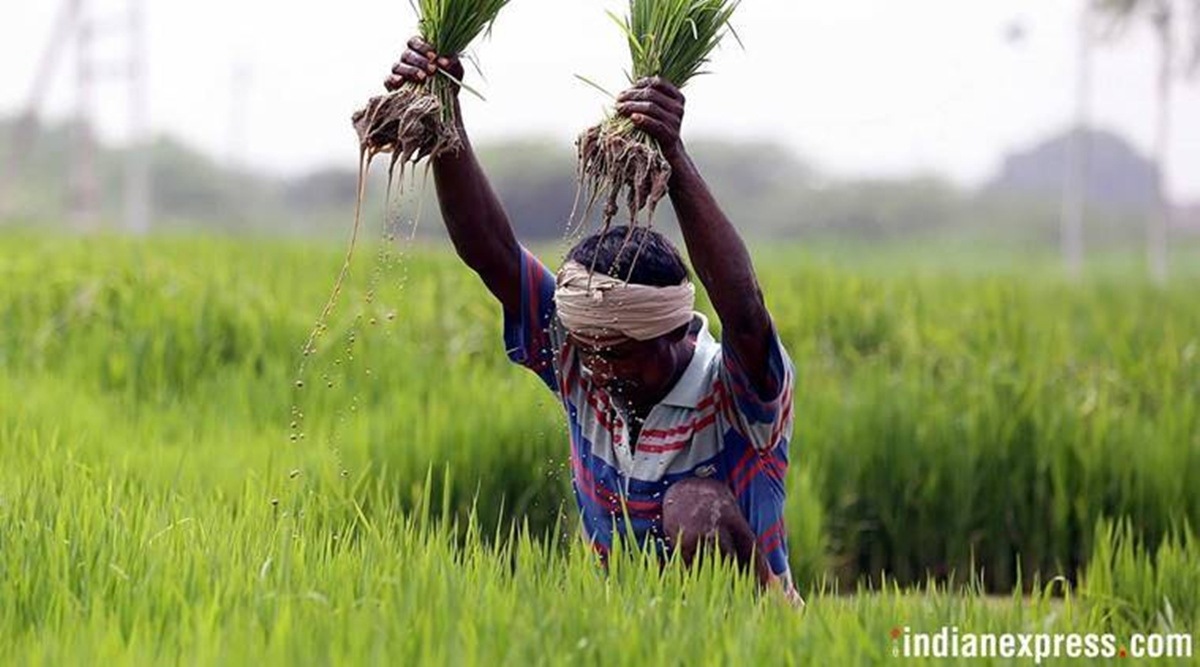 This year, NAFED has undertaken procurement of over 2.5 lakh tonnes of onions locally, amid accusations of purchasing poor-quality onions.
Sowing of chana crop during rabi season is far from over, but office-bearers of the Federation of Farmer Producer Companies (FPC)s in Latur say they have already started getting calls from local political leaders, pressing for allocation of government ‘procurement centres’ to FPCs led by their supporters.
FPCs are grassroots organisations that have nearly 1,000-2,000 members each from local villages. As FPCs are active participants in government procurement, many political leaders are directly or indirectly involved in their operations. This involvement ranges from supporting the FPCs to ensuring that FPCs supported by them get the task of government procurement.
A senior functionary of the Federation, who did not wish to be named, said, “It does not matter whether the FPC has its network on the ground. Just because the FPC is founded by the supporters of a politician, they expect they should get the task of government procurement. Since the last two years, the calls (from political leaders or their supporters) have increased… more and more leaders have started patronising the FPCs and want their supporters to take advantage of the system.”
Traditionally, FPCs are promoted by both central and state governments as means to collectivise farmers and help them derive maximum benefit from the process. Instead of a single farmer, the FPC is expected to utilise their strength in numbers to bargain for better prices and better infrastructure for storage, ferrying and sale of their products.
An FPC is registered under Companies Law and is given preferential treatment when it comes to financing and construction of infrastructure such as warehouses and sorting shed. In Maharashtra, FPCs operate as sub-agents of the National Cooperative Marketing Federation (NAFED) and procure products such as tur, chana and onion.
In case of onion, NAFED often procures the bulb to sell in consumer markets to cool down prices. Thanks to their grassroot presence, FPCs operate these procurement centres right at the village, which helps farmers save on transport cost. However, this very advantage enjoyed by FPCs has now become a tool of convenience for the political ecosystem, which seeks to use it to control the local votebank.
This year, NAFED has undertaken procurement of over 2.5 lakh tonnes of onions locally, amid accusations of purchasing poor-quality onions.
Bharat Dighole, president of Onion Growers Association, said nearly 17-18 Federations had taken part in the procurement, with many having direct links to supporters of political leaders and ministers MLAs from Nashik.
“On paper, it will be difficult to prove but if it is common knowledge that many of the so-called Federations do not have adequate infrastructure to carry out procurement. We have been demanding a thorough investigation in the matter,” he said. FPCs have become the new avenue of political appeasement at the grassroots level, said Dighole.
Yogesh Thorat, managing director of MAHAFPC, the umbrella body of FPCs in the
state, said they have started insisting on “corporate governance” of FPCs.
Of the over 500 FPCs that are registered shareholder members of MAHAFPC nearly 420 actively participate in government procurement. “Before we allocate a centre, we ask for the FPC’s audited financial reports, share capital status and other details. This ensures the FPCs are both active and are working on the ground for their members,” he said.
However, according to senior officers of the Agriculture department, the FPCs have become family enterprises, with members of the same family holding posts in the board of directors. The farmers linked to the FPCs are not kept in the loop and the processes are made intentionally opaque, said a senior officer of the department.
“If the FPCs have to be prevented from becoming the next field of political one-upmanship, they have to be managed better, with more transparency,” said the senior officer.