4 min read

Click here to join Express Pune WhatsApp channel and get a curated list of our stories
© The Indian Express Pvt Ltd



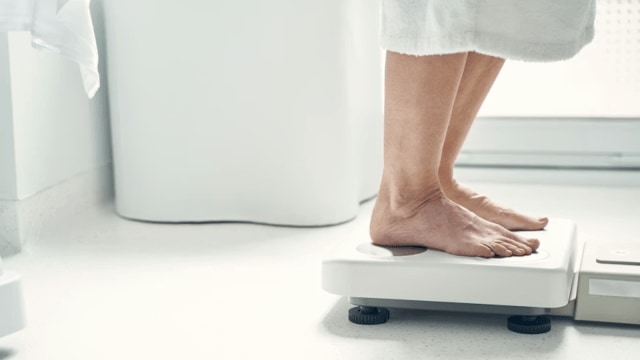 To understand the impact of obesity on an individual’s mental and emotional health, the study assessed 142 participants, of whom 78.9% were women, using the validated Weight Bias Internalization Scale (WBIS)
The emotional weight of obesity far exceeds the physical. A study has found a significant burden of internalised weight bias (negative beliefs about self due to weight) among individuals with obesity seeking metabolic and bariatric surgery.
“The Burden from Within—An Indian Pilot Study on Weight Bias Internalisation” was published in the international journal of International Federation for the Surgery and Other Therapies for Obesity (IFSO)’s Obesity Surgery journal.
Lead author Dr Aparna Govil Bhasker and Mumbai based bariatric surgeon at MetaHeal Laparoscopy and Bariatric Surgery Centre told The Indian Express that weight-related bullying often begins in childhood and can persist throughout adulthood. “People living with obesity are frequently judged as lazy or lacking willpower. Negative media portrayals, especially weight-based memes and stigmatising content, only deepen these harmful beliefs. Post-pandemic trends show that online negativity toward obesity has grown even stronger.”
To understand the impact of obesity on an individual’s mental and emotional health, the study assessed 142 participants, of whom 78.9% were women, using the validated Weight Bias Internalization Scale (WBIS). All patients with a body mass index ≥ 27.5 Kg/m2 were included in the study. Researchers analysed overall scores, age correlation, and BMI association to understand how stigma affects patients preparing for metabolic and bariatric surgery.
The findings from the survey revealed that more than 71.1% of participants scored above the neutral point, clearly showing that internalized weight bias is highly prevalent in people with obesity. An overwhelming 74.6% participants felt depressed about their weight. More than half of the study participants felt less attractive, and more than one-third questioned their own competence, researchers said.
More than half the participants expressed strong feelings like hating themselves due to their weight and saw weight as a major way of judging their value as a person. When it came to their social life, about 45.8% of participants questioned how anyone attractive would want to date them, and half of them believed they were not deserving of a fulfilling social life until they were not overweight. Younger individuals experienced stronger internalized bias, while those with higher BMI showed stronger levels of self-directed stigma, as per the study.
“This shows that obesity status and internalisation of weight bias affect social interactions, connections, and relationships, which can have a long-lasting impact on the life course of an individual’s personal, emotional, occupational, and financial trajectory,” Dr Govil Bhasker said.
The rates of obesity have almost doubled in India since 2005 and as per the fifth National Family Health Survey (2019-21) the prevalence of overweight and obesity among Indian women and men aged 15 to 49 years is 24% and 22.9 % respectively. Despite this rapidly increasing rate of obesity, it is not formally recognised as a disease in India.
Dr. Govil Bhasker also highlighted that these findings show how deeply weight stigma is rooted in our society.
“Patients often feel ashamed, guilty, and discouraged. They endure years of negative comments, judgment, and misinformation, and over time, these negative experiences become internalized. This affects their self-worth and mental health and can delay their decision to seek proper treatment. Obesity is a chronic disease, not a personal failure, and supporting patients emotionally is just as important as helping them medically,” she said, adding there is an urgent need for targeted interventions.
Dr. Vishakha Jain, Professor of Medicine at AIIMS BibiNagar and among the researchers added that this constant stigma seeps into everyday life, affecting physical health, mental well-being, work performance, and relationships. It fuels poor mental health, unhealthy eating patterns, and even biological stress responses like higher inflammation. “Together, these pressures create a cycle of self-blame and prejudice, often making individuals feel undeserving of care,” Dr Jain added.