4 min read
Click here to join Express Pune WhatsApp channel and get a curated list of our stories
© The Indian Express Pvt Ltd



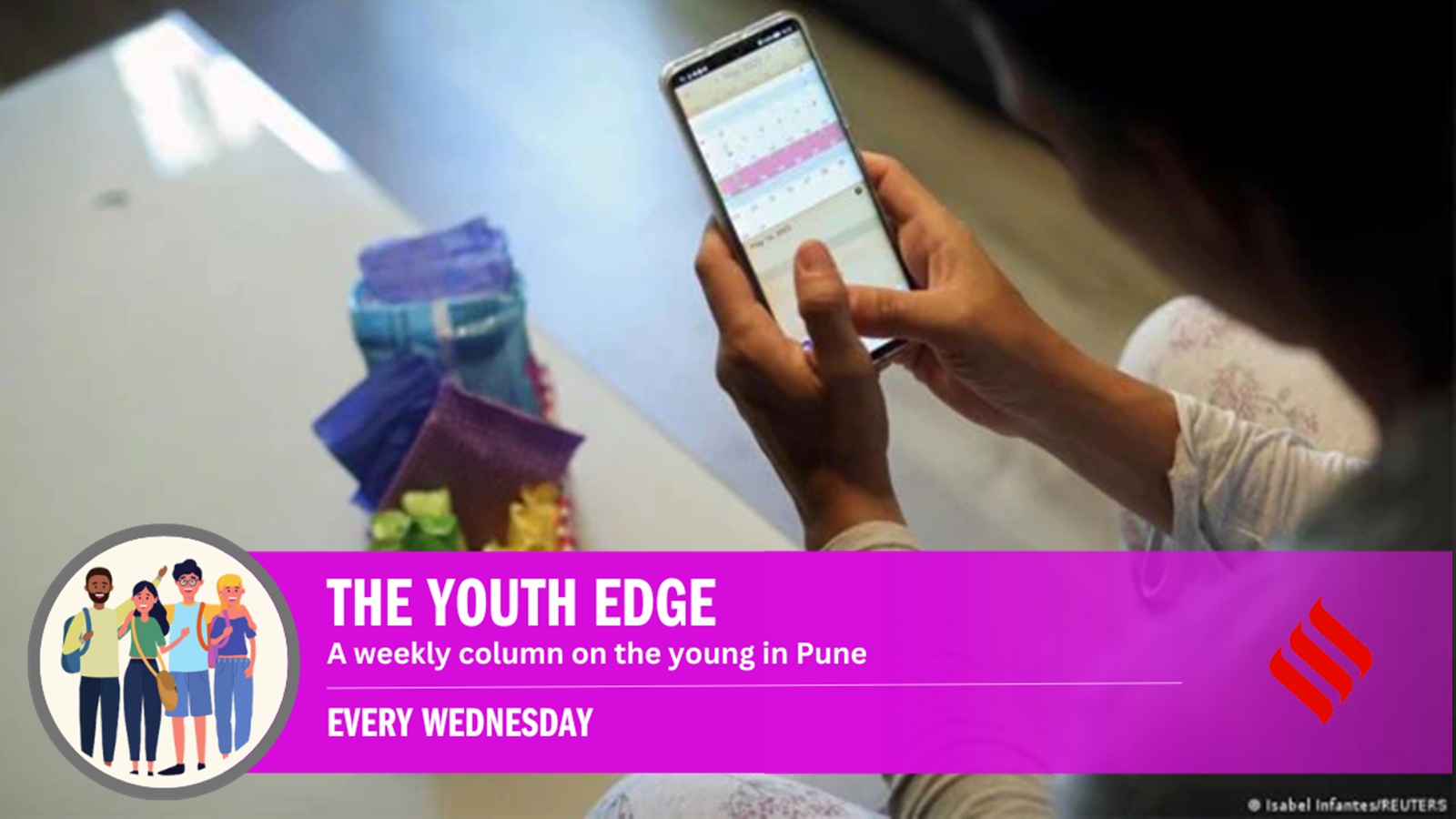 Period tracking apps have been in the market for many years now, and more and more young women are using them. The notifications about their period cycle can be used to plan and avoid pregnancies, plan holidays, understand body behaviour and stock up on period essentials in time. (Express Archives)
 Utkarsha Kulkarni (28) uses a chatBot on Whatsapp called Sirona as well as her digital watch to track her period cycle. “The bot tracks periods by processing all data entered by us, so if we fail to update the data then it might give you false results”, said Kulkarni.
Period tracking apps have been in the market for many years now and more and more young women are using them.
Notifications about their period cycles can be used to plan and avoid pregnancies, plan holidays, understand body behaviour and stock up on period essentials in time. But like Utkarsha mentioned, the algorithm works on information inputs given by the user. These apps can collect information like name, location, email ID, browsing history and sensitive health data like period cycle dates, sexual activity details like date, protected or unprotected, reminders for oral contraceptives, mood swings, pregnancy test results, tracking cervical mucus, etc.
But most women are choosing to give these apps limited information, only as much as is required for them to get timely notifications of their period cycles. “More than the accuracy, I am concerned about my data privacy. So I only use it for tracking more than anything else,” said Kulkarni.
Kulkarni also doesn’t use any other feature of the bot even though it provides content to read about menstrual health and community engagement features too. “I don’t really engage with any posts or comments and also trust only 20-50 per cent information these apps provide. It is just useful with period date notifications. We need to look at our routine like lifestyle changes including diet, meditation, exercise routines, etc on our own,” said Kulkarni.
Apps have begun to add new features everyday, finding new ways to market themselves differently. An app called Natural Cycles markets itself as a contraceptive, whereas Glow was launched to help couples get pregnant. There are apps specifically for people who have polycystic ovary syndrome (PCOS), which lets users record information like per cent of face covered in acne and maintaining a daily PCOS symptoms log. Some provide fertility diet plans and counselling for couples trying to conceive.
Niharika (26) too uses these apps just for period date notifications. She started using the app once she became sexually active. While it was mainly because she just couldn’t remember her period dates, the app also notifies her about her ovulation phases — a reminder to avoid unprotected sex. But that’s all she uses the app for. “I am very concerned about privacy, but also can’t remember dates, so I use it as I have no option. They also have other features like informative posts, etc, but I don’t read or trust most of what they say except my ovulation date estimate, which is in any way mathematical. It just helps me keep a calendar of periods,” she said.
Sakshi Agrawal (19) chose to not use these apps. “I don’t feel there is a need. I also don’t like to give my health related data to third party platforms,” she said.
Vaishnavi Awatade (26) has never used a period tracking app. She got PCOS when she was 21 and wasn’t aware there were apps dedicated to managing lifestyles of people with PCOS. “There are a lot of things that I need to follow on a daily basis, like avoiding sweets and packaged food, exercising everyday irrespective of erratic work hours, managing my sleep schedule, proper calorie and water intake, etc. While an app will help with all these thing, it mainly requires a lot of discipline, which comes from within,” said Awatade.