Premium
This is an archive article published on September 22, 2022

Non-communicable diseases led to 66% of deaths in India in 2019: WHO

The report further revealed that there was a 22 per cent probability of death between the age of 30 and 70 due to any type of non-communicable disease, including cardiovascular diseases, cancer, diabetes or chronic obstructive pulmonary disease.

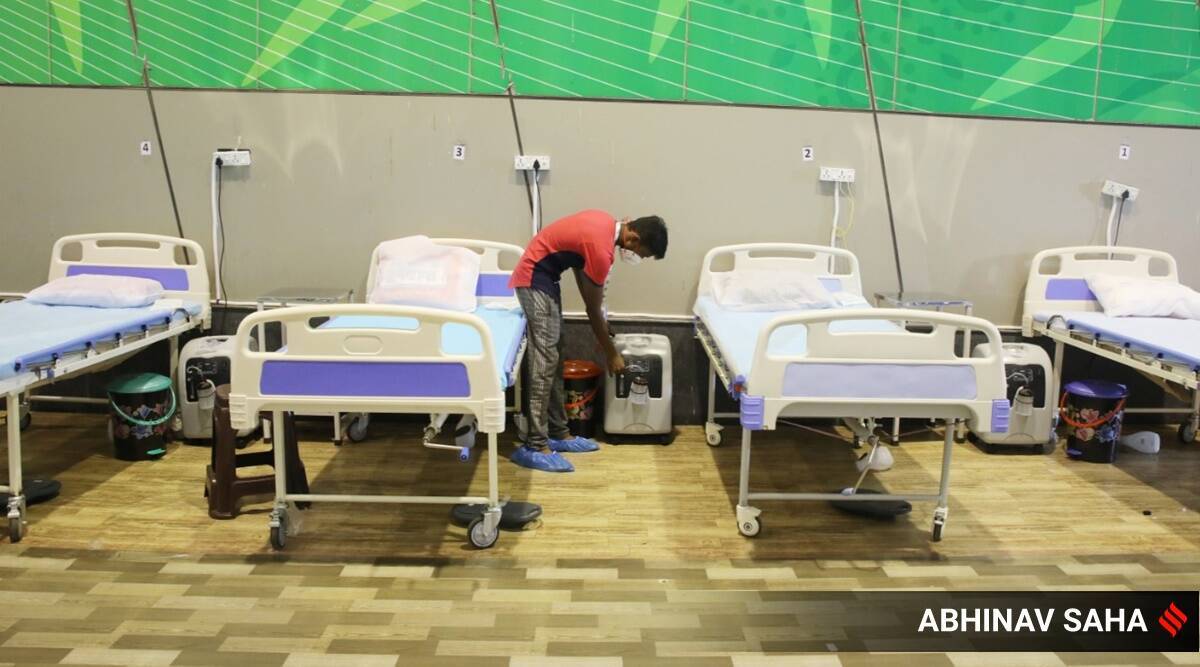
Over 60.46 lakh people died due to NCDs in India in 2019, according to the WHO report. (Representative image)Over 60.46 lakh people died due to NCDs in India in 2019, according to the WHO report. (Representative image)

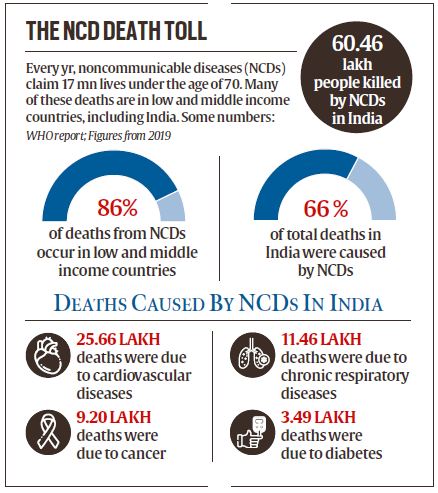
Every two seconds, one person under the age of 70 dies of a non-communicable disease (NCD) with 86 per cent of those deaths occurring in low- and middle-income countries. In India, 66 per cent of total deaths were due to NCDs in 2019, a new WHO report: ‘Invisible numbers – the true scale of non-communicable diseases’ stated.

The World Health Organisation (WHO) has also launched a portal, which, for the first time, brings together all WHO data related to NCDs for 194 countries.

Over 60.46 lakh people died due to NCDs in India in 2019, according to the report. The report further revealed that there was a 22 per cent probability of death between the age of 30 and 70 due to any type of non-communicable disease, including cardiovascular diseases, cancer, diabetes or chronic obstructive pulmonary disease.

Over 25.66 lakh deaths in 2019 in the country were due to cardiovascular diseases while 11.46 lakh deaths were due to chronic respiratory diseases. Cancer led to 9.20 lakh deaths while 3.49 lakh deaths in the country were attributed to diabetes.

Globally, one in three deaths – 17.9 million a year – are due to cardiovascular diseases (CVDs). Eighty six per cent of CVD deaths could have been prevented or delayed through prevention and treatment, the report added.

Two-thirds of the people with hypertension live in low- and middle-income countries, but almost half of the people with hypertension are not even aware they have it, the report stated. Hypertension currently affects around 1.3 billion adults aged between 30 and 79.

This major shift in public health over the last decade has gone largely unnoticed, the WHO report has said.

Story continues below this ad

When contacted, Dr Srinath Reddy, President, Public Health Foundation of India, who has chaired the research and innovation committee on NCD for WHO, told The Indian Express that 15 years ago, he had described NCDs as a public health emergency in slow motion — a phrase that UN Secretary General later used in 2011.

“That threat has grown since then, as NCDs affect all countries, all genders, all social classes and all stages of life. Even in the Covid-19 pandemic, severe morbidity and high mortality were associated with prior affliction with NCDs. We need a concerted global response, which uses policy instruments that have a population-wide impact on tobacco, alcohol, unhealthy foods and air pollution,” Dr Reddy said.

The expert also called for robust health system programmes that promote health, detect and control risk factors early and effectively, treat diseases in a cost-effective manner and prevent untimely deaths. “NCDs need to be accorded higher priority in financial allocation and health system strengthening initiatives, with strong emphasis on primary care,” Dr Reddy said.

Dr V Mohan, noted diabetologist and Chairman of Dr Mohan’s Diabetes Specialities Centre, Chennai, said that diabetes is one of the most common non-communicable diseases and reduction in risk factors will help not only in preventing diabetes, but also hypertension, heart disease and even several forms of cancers.

Story continues below this ad

One in 28 deaths – 2.0 million people a year – is due to diabetes.

As per the report, more than 95 per cent of diabetes cases globally are of type 2 diabetes. Addressing major risk factors that lead to these diseases – tobacco use, unhealthy diet, harmful use of alcohol, physical inactivity and air pollution – could prevent or delay significant ill health and a large number of deaths from many NCDs, according to the report.

Key findings of the report also note that cancer causes one in six deaths – 9.3 million people a year — and as per the report, 44 per cent of cancer deaths could have been prevented or delayed by eliminating risks to health.

One in 13 deaths – 4.1 million people a year – are due to chronic obstructive pulmonary disease. Findings of the report indicate that 70 per cent of deaths due to chronic respiratory diseases could have been prevented or delayed by eliminating risks to health.

Story continues below this ad

The report also stated that Covid-19 highlighted the links between NCDs and infectious disease, with serious impacts on NCD care. In the early months of the pandemic, 75 per cent of countries reported disruption to essential NCD services.

The WHO report and data portal, according to experts, have come at a critical juncture for public health. In 2022, only a handful of countries were on track to meet the Sustainable Development Goal target to reduce early deaths from NCDs by a third by 2030. “The data paints a clear picture. The problem is that the world isn’t looking at it,” Dr Tedros Adhanom Ghebreyesus, Director-General of WHO, said in the report.

“If every country were to adopt the interventions that are known to work, at least 39 million deaths could be averted by 2030, and countless other lives would be longer, healthier and happier,” according to the report.

Anuradha Mascarenhas is a Senior Editor at The Indian Express, based in Pune. With a career spanning three decades, she is one of the most respected voices in Indian journalism regarding healthcare, science and environment and research developments. She also takes a keen interest in covering women's issues . Anuradha has won several awards including the Press Council of India's national award for excellence in journalism under the gender based reporting category in 2019 and the Laadli Media award (gender sensitivity -2024). A recipient of the Lokmat journalism award (gender category-2022), she was also shortlisted for the RedInk awards for excellence in journalism-2021. Her debut book At The Wheel Of Research, an exclusive biography of Dr Soumya Swaminathan the inaugural chief scientist of World Health Organisation was also nominated in the Popular Choice Category of JK Paper AUTHER awards. She has also secured competitive fellowships including the Laadli Media Fellowship (2022), the Survivors Against TB – New Research in TB Media Fellowship (2023) and is part of the prestigious 2025 India Cohort of the WomenLift Health Leadership Journey.” Professional Background Education: A gold medalist in Communication and Journalism from Savitribai Phule Pune University and a Master’s degree in Literature. Author: She authored the biography At The Wheel Of Research, which chronicles the life and work of Dr. Soumya Swaminathan, the former Chief Scientist at the WHO. Key Focus: She combines scientific accuracy with storytelling, translating complex medical research into compelling public and human-interest narratives. Recent Notable Articles (Late 2025) 1. Cancer & Specialized Medical Care "Tata Memorial finds way to kill drug-resistant cancer cells" (Nov 26, 2025): Reporting on a breakthrough for triple-negative breast cancer, one of the most aggressive forms of the disease. ``Discipline, diet and purpose; How a 97-year-old professor defies ageing'' (Nov 15, 2025) Report about Prof Gururaj Mutalik, the first Head of Department at Pune's B J Government Medical College who at 97 credits his longevity to healthy habits and a strong sense of purpose. 2. Environmental Health (The "Breathless Pune" Series) "Long-term exposure even to 'moderate' air leads to chronic heart, lung, kidney issues" (Nov 26, 2025): Part of an investigative series highlighting that even "safe" pollution levels are damaging to vital organs. "For every 10 µg/m3 increase in PM2.5 level, there was 6-8% jump in medicine sales" (Nov 23, 2025): Using commercial data to prove the direct link between air quality and respiratory illnesses in Pune. 3. Lifestyle & Wellness News "They didn't let cancer, diabetes and heart disease stop them from travelling" (Dec 22, 2025): A collaborative piece featuring survivors who share practical tips for traveling with chronic conditions. ``At 17, his BP shot up to 200/120 mmHG; Lancet study flags why child and teen hypertension doubled between 2000 and 2020'' (Nov 12,2025)--A report that focusses on 17-year-old-boy's hypertensive crisis and reflects the rising global trend of high blood pressure among children and adolescents. 4. Scientific Recognition & Infrastructure "For promoting sci-comm, gender diversity: IUCAA woman prof highlighted in Nature" (Nov 25, 2025): Covering the global recognition of Indian women scientists in gender studies and physics. ``Pune researchers find a spiral galaxy like the Milky Way from early universe'' (December 3, 2025)- A report on how Indian researchers discovered a massive galaxy that existed when the universe was just 1.5 billion years old , one of the earliest to have been observed so far. Signature Beat: Health, Science & Women in Leadership Anuradha is known for her COVID-19 reportage, where she was one of the first journalists to provide detailed insights into the Covishield and Covaxin trials. She has a dedicated interest in gender diversity in health and science, often profiling women researchers who are breaking the "leaky pipeline" in STEM fields. Her writing style is scrupulous, often featuring interviews with top-tier scientists and health experts from various institutions X (Twitter): @runaanu   ... Read More


Click here to join Express Pune WhatsApp channel and get a curated list of our stories

Latest Comment
Post Comment
Read Comments
Advertisement
Loading Taboola...
Advertisement