Journalism of Courage



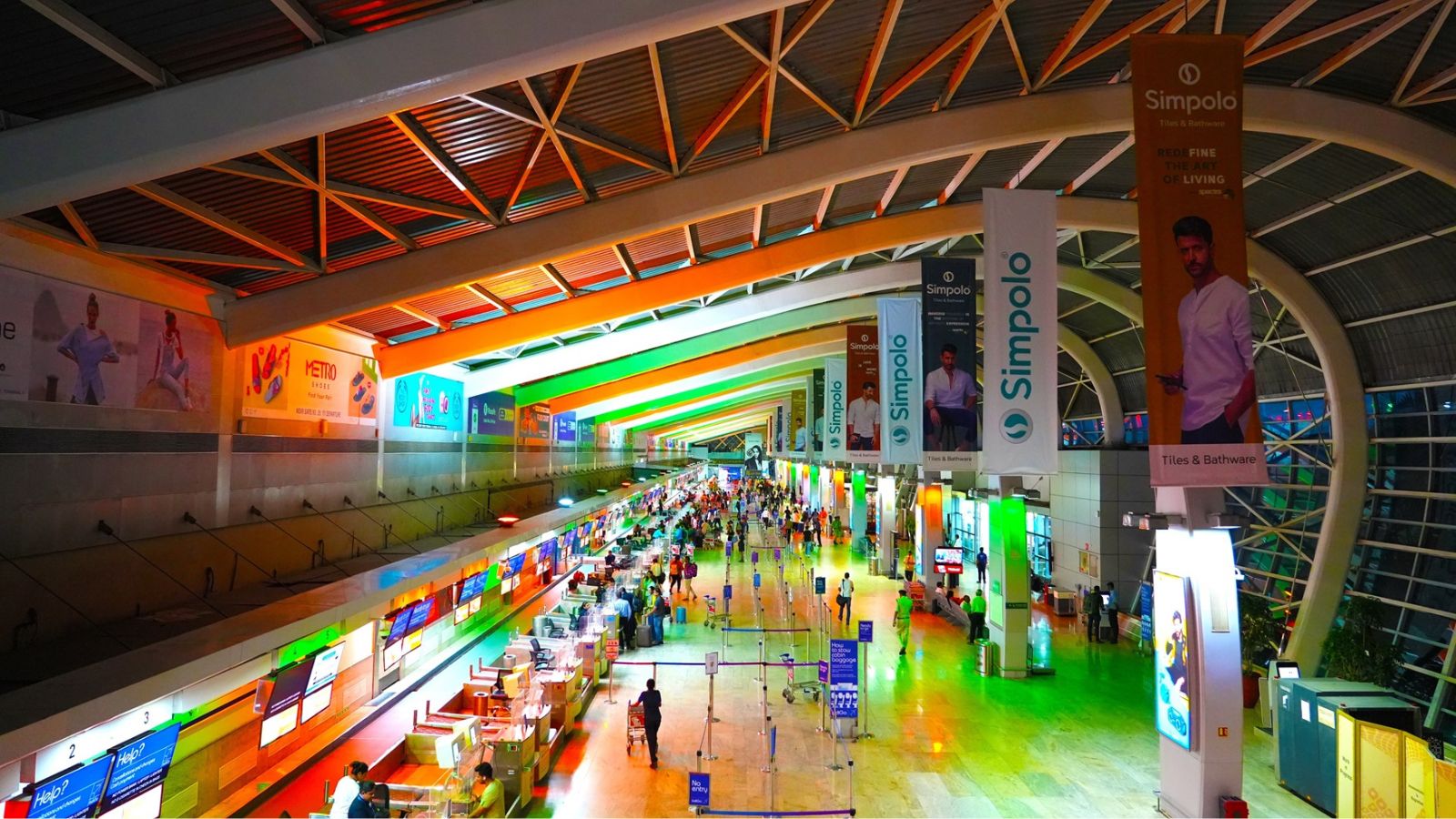 The upgraded T1 will feature a revamped passenger terminal building designed to cater to domestic flights, with provisions for future integration of international services. (Express photo)
Mumbai International Airport Limited has announced the redevelopment of Terminal 1 at Chhatrapati Shivaji Maharaj International Airport (CSMIA). The revamped terminal is expected to increase its capacity to handle 20 million passengers annually, reflecting a 42 per cent boost. Scheduled for completion by 2028-29, the project will also prioritise sustainability and modern infrastructure.
The redevelopment will begin in November with the demolition of the existing structure under phase 1. To manage passenger flow during the construction period, Terminal 2 and the upcoming Navi Mumbai International Airport, which is set to commence operations in 2025, will handle the additional capacity, ensuring smooth operations across the Mumbai Metropolitan Region during the transition.
The upgraded T1 will feature a revamped passenger terminal building designed to cater to domestic flights, with provisions for future integration of international services. Modern infrastructure enhancements, including advanced baggage handling systems, district cooling, and upgraded electrical substations, will improve the airport’s efficiency. The terminal will also house a multimodal transit hub to provide seamless connectivity with direct metro access and underground bus stations, integrating Mumbai’s air, rail, and road networks.
Jeet Adani, Director, Adani Airport Holdings Limited, which manages the airport, said, “The team at CSMIA is working tirelessly with our stakeholders to ensure a smooth transition, with minimum disruption to daily operations or passenger experience. This redevelopment is not only about expanding capacity—it is about future-proofing our city’s place on the global stage. Our priority remains to deliver the exceptional service that our passengers have come to expect.”
The project will be carried out in phases to minimise disruption. Advanced technologies like DigiYatra, self-baggage drop, and e-gates will facilitate smooth passenger movement, and additional service staff will be deployed during peak hours. Airlines and stakeholders will be informed well in advance to ensure uninterrupted operations.
According to CSMIA officials, T1 aspires to be India’s first brownfield, biophilic, and sustainable airport. The terminal will feature a biophilic design with elements such as indoor greenery, natural light, and open spaces. The architecture, inspired by the fluid motion of ocean waves, aims to set new standards for eco-conscious airport design, the officials said.

 2 min read