


Stay updated with the latest - Click here to follow us on Instagram
Tags:


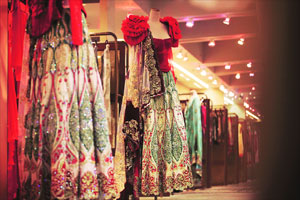
Each year,the FDCIs Delhi Couture Week throws up the same questions: Is couture relevant in todays throwaway fashion zeitgeist? Does Indian couture exist beyond bridal lehengas? Are bridal lehengas couture? And finally: Does India do couture?
Sitting through a couture show last week,none of these questions seemed to matter. Watching designers send out one beautiful piece after the other the best,biggest,shiniest and finest they can do bore testimony to the fact that fashion is still an art. Each one of those precious creations was nothing but a labour of intense love.


Especially beautiful was a sari worn with a lehenga,it was pleated on one side and draped beautifully at the back like a dupatta. But the pièce de résistance was an ivory lehenga embroidered with multiple colours of silk and gold. It was a coup de foudre love at first sight and Im sure it would retail at no less than Rs 15 lakh.
It was enough for one to seek an appointment with the designer to enquire about his efforts into it. Its the most painstakingly-made thing, admits 35-year-old Bahl. I took three weeks only to decide the colours on it. After that,of course,the piece took over two months to create,with four to five craftsmen working on it at a time.
Unlike commercial line or ready-to-wear line lehengas,that have around eight panels,a good couture lehenga will have 14 to 16 panels. This makes the skirt more fluid,regardless of the ornamentation on the surface,and its fall is more feminine and less boxy. What this means is that each panel requires finer embroidery and the entire skirt,naturally,takes far longer to create. It gets far too expensive to make,but its beauty is unmatched.
Bahl says even though it was a bridal piece,he worked with an ivory base simply because he wanted to fill it with colours. Theres duck egg blue,stained yellow,red,teal,pistachio and different shades of gold. Each colour was introduced only via embroidery and one at a time,so that each panel took three weeks to be complete. Then came the French lace,which I made myself in the factory. It was stupid of me to do that since lace is cheap and freely available. I wanted something particular,and I wanted to fill it with red, says Bahl,with endearingly feigned modesty.
Where Bahl really puts his faith is in his embroideries; he says he uses the most difficult techniques and the finest needles that his craftsmen get made especially for him. My dabka (zardozi) is one-tenth the size of a normal stitch, he shows off. Essentially,there are only two types of embroideries zardozi and aari but what makes the difference is how fine and neat the workmanship is, he explains. His favourites are the kasab or the tilla and the difficult-to-maintain badla.
He sources fabric from all over,from Como in Italy to his cousins factory in Taiwan,till he gets what he desires. He says,If not,then I will make it in my factory. But I havent yet had to compromise.
Like a proper couturier,Bahl meets his clients only by appointment at his Noida factory. An outfit is first made in muslin,or toile,and then finally created in the fabric of choice. There are at least two or three fittings with the client. And fewer craftsmen are used,so the hand doesnt vary.
Its ironic that Bahl almost never made Indian wear. Seven years ago when he debuted,it was with the most elegant line of cocktail dresses ever seen on an Indian ramp,with block prints,flat sequins,silken roses and rich velvets. Fashion folklore says his ingress into
Indian clothes was the result of a failed love affair with a fellow designer,an Ill-show-him moment that turned his professional fate around too.
Prêt-à-porter is great for business but a couture piece is where your fantasy comes alive, Bahl avers,India has always had a culture of made-to-order pieces so couture will always thrive here.


Stay updated with the latest - Click here to follow us on Instagram


