More than five years after the Tablighi Jamaat was accused of spreading Covid by organising an international congregation in Delhi, the Delhi High Court Thursday quashed charges in 16 FIRs and chargesheets filed in related cases involving 70 Indian citizens.
Justice Neena Bansal Krishna told the open court that the proceedings stand quashed.

Arguing for quashing of the FIRs, the accused, represented by advocate Ashima Mandla, had contended that the foreign nationals who were charged were either acquitted or discharged with the state failing to prove their presence — and nothing was brought on record to prove that the Indians or foreign nationals who were charged had contracted Covid.
The Indian Express takes a look at what happened in 2020 and the subsequent two years.
- In March of that year, a series of gatherings had been organised at the Nizamuddin Markaz, also known as the Banglewali Masjid Markaz, by the Jamaat. Over 3,000-odd people gathered at the mosque for the month-long events, with people coming from across the country and the world.
- However, on March 13, the Delhi government passed an order saying that gatherings of over 200 people for sports events, conferences, and seminars will not be allowed due to the growing fears of the pandemic. By then, hundreds of people had already reached the Markaz and were accommodated inside.
- Between March 13-15, the Tablighi Jamaat congregation takes place.
- On March 16, the Delhi government capped social/cultural/religious/ academic/ political gatherings to 50 people.
- The next day, the virus was detected in an Indonesian in Telangana, who had purportedly attended the congregation in Delhi. The case came to the government’s attention.
- On March 21, the Ministry of Home Affairs (MHA) declared that more than 1,000 Tablighi workers of foreign nationalities were in India. Of these, 216 were staying in Nizamuddin Markaz. The MHA, in a statement, said details of 824 foreigners associated with the Tablighi Jamaat had been shared with the police of various states to identify them, get them medically screened, and quarantine them.
- A few days later, on March 28, the Ministry advised state police to collect names of Indian Tablighi Jamaat workers from the local coordinators, locate them, get them medically screened, and quarantine them. About 2,137 such persons were identified.
- Towards March-end to April first week, the Nizamuddin Markaz was evacuated, the premises sealed and shut, and FIRs registered against attendees. The then Delhi Chief Minister, Arvind Kejriwal, also called for an FIR against the Tablighi Jamaat Delhi chief, Maulana Saad Kandhlawi. The FIR was lodged against Kandhlawi and others for culpable homicide not amounting to murder. However, he was not arrested and no chargesheet has been filed to date.
- On March 31, the FIR was lodged by the Crime Branch under the Epidemic Diseases Act, Disaster Management Act, and the Indian Penal Code against seven Indians who were the organisers. As many as 955 foreign nationals were later chargesheeted in this FIR across 48 chargesheets and 11 supplementary chargesheets. And 908 took up plea bargains before the magistrate court.
- On April 16, the Enforcement Directorate filed a money laundering case against Kandhlawi. No chargesheet has been filed to date.
- On May 9, the Delhi government ordered the release of the Indian Tablighi members from quarantine centres and directed that foreigners be taken into police custody.
- On May 24, the 21-day lockdown was announced.
- On May 28, the Delhi High Court ordered the release of foreign nationals, allowing them to be shifted to alternative accommodations. Around 20 foreign nationals had approached the court, seeking the release of 955 foreign nationals from quarantine centres as they had, by then, undergone quarantine for nearly two months
- By August, eight foreign nationals of the 955 were discharged by the court.
- In September, a magistrate court took cognisance against Indians charged in the chargesheets
- In November, the State appealed against discharge before a sessions court, which was dismissed; the court directed the deportation of the foreigners
- Then, in December, 36 foreign nationals were acquitted by a magistrate court.
- In February 2021, the Delhi Waqf Board moved the HC seeking the reopening of Banglewali Masjid.
- Finally, in November 2022, the HC allowed for the reopening of Banglewali Masjid after it directed the Delhi government to hand over the keys of the property to Kandhlawi on furnishing of an indemnity bond by the latter.





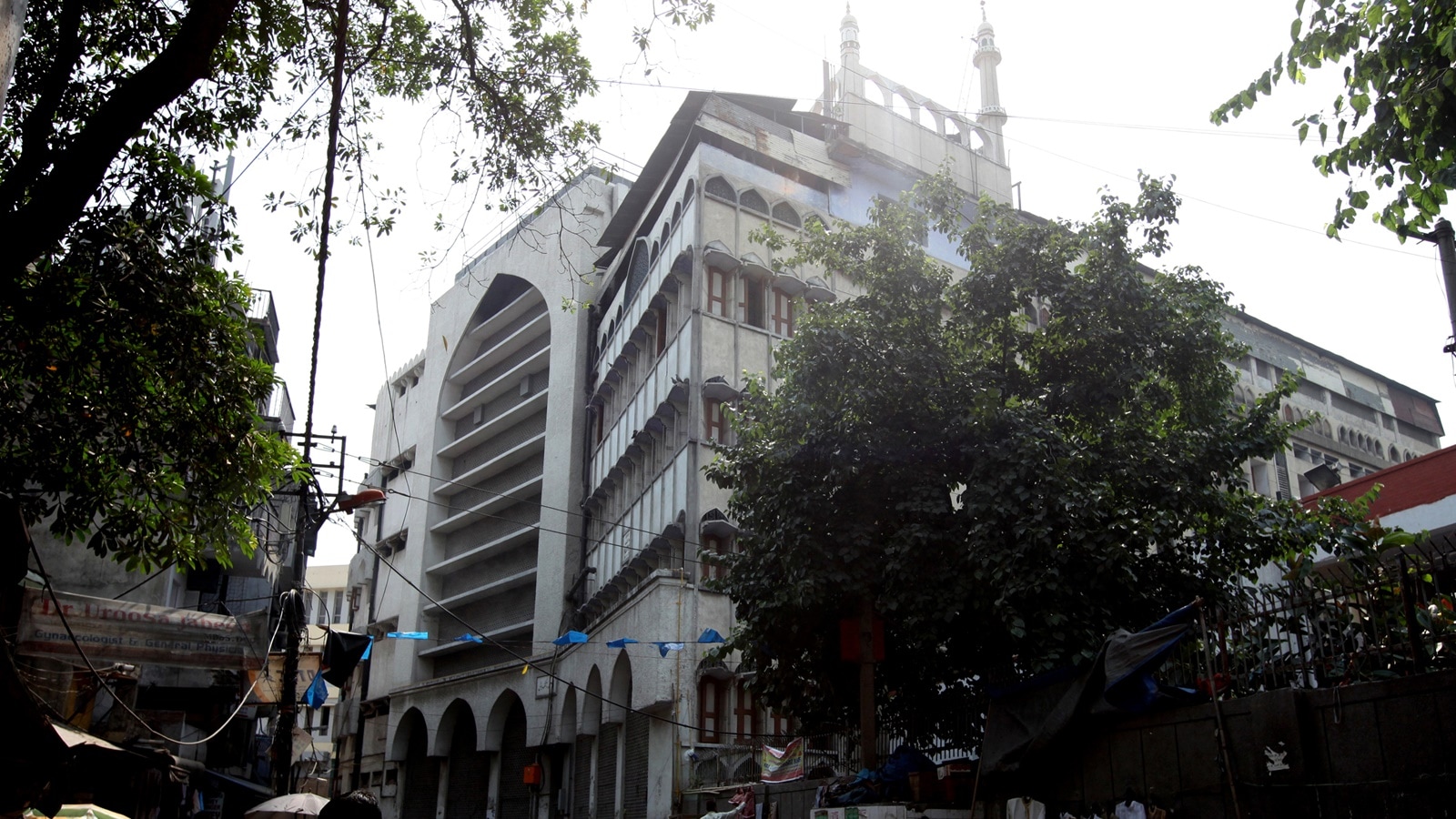 The Tablighi Jamaat’s headquarters at Nizamuddin in New Delhi. (Express Archives: Amit Mehra)
 4 min read