Journalism of Courage



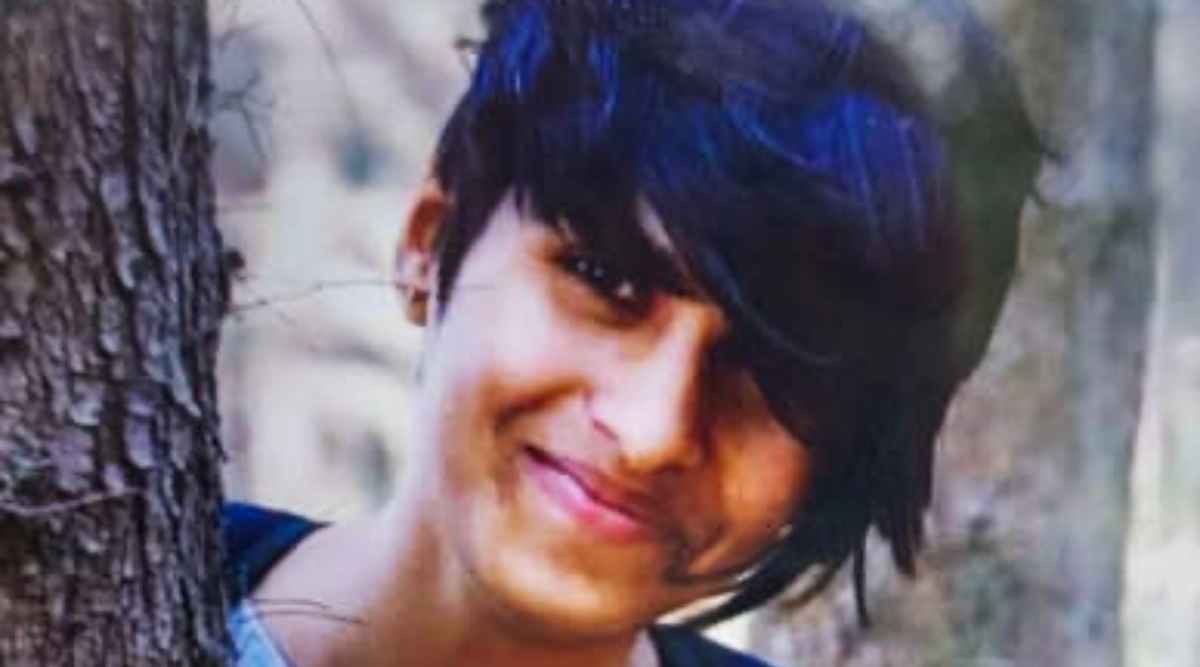 The matter came to light months later after Shraddha Walkar’s father lodged a missing persons report in Mumbai leading to the arrest of Aaftab Poonawaala in Delhi in November.
 The results of a fresh DNA profiling test on a set of bone and hair strands recovered during the investigation of the Shraddha Walkar murder case have matched with samples provided by other members of the Walkar family, the Delhi police said Wednesday. All the bones will now be sent to the AIIMS for an autopsy to ascertain the cause of death and injuries, they added.
Shraddha was allegedly killed by her live-in partner Aaftab Poonawaala in south Delhi’s Mehrauli area in May last year. The matter came to light months later after Shraddha’s father lodged a missing person’s report in Mumbai leading to the arrest of Poonawaala in Delhi in November. Poonawaala had allegedly chopped the body into multiple pieces and discarded them in the forest.
The Delhi Police earlier said they recovered a total of 12-13 bones from the Mehrauli forest which matched the DNA samples of the woman’s father. The earlier test was conducted by the Central Forensic Science Lab in Delhi’s Lodhi Colony.
The police Wednesday said a few other bone samples and hair strands, which were recovered from the Mehrauli forest, also belonged to Shraddha.
Sagar Preet Hooda, special commissioner of police (law & order), said: “We found bones and hair strands but the DNA couldn’t be extracted from them here. The samples were then sent to the Centre for DNA Fingerprinting and Diagnostics (CDFD) in Hyderabad for DNA mitochondrial profiling. The results of the examination have been received. One piece of bone and strands of hair matched the samples collected from her (Shraddha’s) father and brother. This establishes that the bone and hair belonged to Shraddha.”
Mitochondrial DNA analysis is done on teeth, bones, or hair samples when the nuclear DNA is present in very low quantities or the samples are highly degraded. In cases where DNA extraction is difficult, labs extract mitochondria from the cell and genome sequences are prepared and then matched with the family’s sample.
The police said all the bones will now be sent for a post-mortem which will be conducted by a medical board at AIIMS, New Delhi. A senior police officer said: “The medical board will test the bones to ascertain the cause of the death and even the time. Certain advanced tests such as bone’s chemical composition will be checked, among other things, to ascertain the exact injuries and time of the death.”

 3 min read