Journalism of Courage



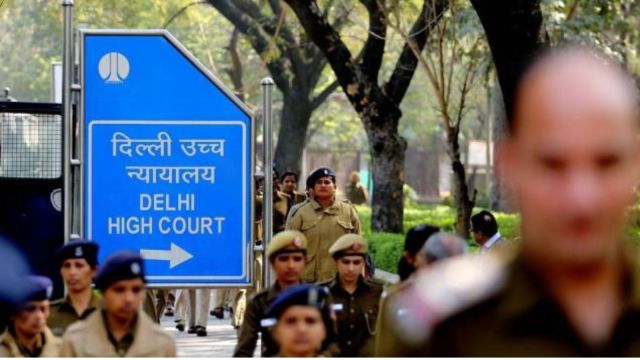 As per the policy, the Delhi HC should "prepare a list of the identified posts in all groups - A, B and C for PWDs in respect of the work which could be easily performed by them” and the posts should be identified for PWDs within a period of two months from the date of issuance of the policy (December 16). (File Photo)
The Delhi High Court on Monday notified the framing of ‘Equal Opportunity Policy for Persons with Disabilities’ for itself in compliance with the mandate provided under the Rights of Persons with Disabilities Act, 2016.
Section 21 of the Act mandates that every establishment should “notify equal opportunity policy detailing measures proposed to be taken by it” for skill development and employment of people with disabilities (PWDs). The Act came into force on April 19, 2017, which means the Delhi High Court has notified the policy more than seven years after the enforcement of the Act.
The policy includes employment safeguards and organising “job specific post-recruitment training” programmes for PWDs, as well as ensuring training programmes at the time of introducing “any new technology”.
As per the policy, the Delhi HC should “prepare a list of the identified posts in all groups – A, B and C for PWDs in respect of the work which could be easily performed by them” and the posts should be identified for PWDs within a period of two months from the date of issuance of the policy (December 16).
The policy covers PWDs as prescribed under the Rights of Persons with Disabilities (RPWD) Act, 2016, which includes contractual employees, employees who acquire a disability during their work tenure and will apply to “all aspects of employment, be it recruitment, training, working conditions, salary, transfers, employee benefits and career advancement”.
“The Establishment of Delhi High Court would encourage candidates with different disabilities to apply… All vacancy advertisements will include an appropriate short statement on equal opportunities for persons with disabilities… Application forms shall be made available in alternate accessible formats… An inclusive valuation process shall be followed by ensuring that a PWD is provided with any suitable flexibility and reasonable accommodation that may be required so that she/he may be evaluated fairly. Any information shared by an employee on disability/medical condition shall be kept confidential,” the policy states.
“If an employee acquires a disability during her/his employment tenure, she/he can return to work at the same rank and with the same service conditions as before. In case the employee is unable to perform the current job, the organisation shall invest in reskilling the employee for another position/job at the same rank and if the same is not possible , the employee shall be posted on supernumerary post until a suitable post is available or he attains the age of superannuation, whichever is earlier,” it adds.
The policy further states that “as far as possible, the PWDs may be exempted from the rotational transfer policy/transfer and be allowed to continue in the same job, where · they would have achieved the optimum performance,” and subject to availability, the Delhi HC should “provide accessible accommodation to the PWDs near their place of posting and they will be preferred for allotment of ground floor accommodation”.
PWDs employed in Delhi HC can also seek reimbursement for assistive aids and devices from the department from which they draw their salary under the policy. The policy also stipulates that any new facility that is built or renovated in Delhi HC “will be evaluated for compliance with accessibility standards at different stages of the building construction”.
The policy highlights that the buildings of Delhi HC already comply with the RPWD Act. This includes features such as ramps, grab bars, wider doorways for accessibility, lifts, tactile paths, and provisions for wheelchair access.

 4 min read