Journalism of Courage



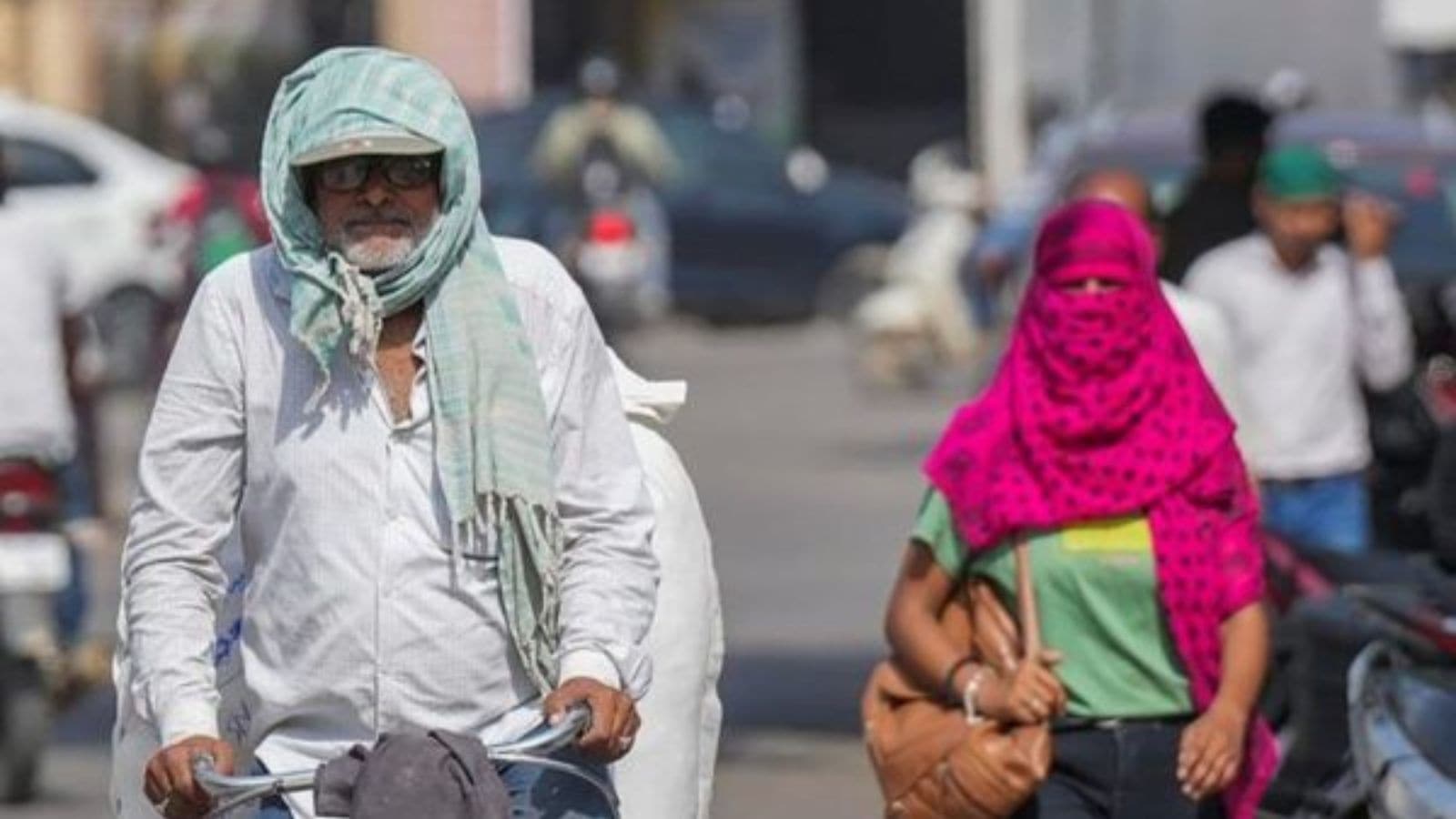 The highest maximum temperature in the state was 46.8°C, recorded in Bathinda on Thursday and notch lower that Wednesday's 47.6°C. (File Photo)
Punjab has been reeling under an intense heatwave for the past four days — a period when the state typically expects pre-monsoon showers.
On Thursday, the maximum temperature was 4.9°C above normal. The highest maximum temperature in the state was 46.8°C, recorded in Bathinda on Thursday and notch lower that Wednesday’s 47.6°C. Heatwave conditions were also reported in Amritsar and Ludhiana with extreme warm nights in both places. The minimum temperature across the state was also 3.4°C above normal.
Between April and May this year, the state witnessed around half a dozen heatwave days. But it seems June alone will match or surpass the number, as heatwave-like conditions are expected to continue till June 14, according to India Meteorological Department (IMD) predictions.
A heatwave is declared when temperatures exceed specific thresholds. In Punjab, this typically means a departure of 4.5°C to 6.4°C from the normal maximum daytime temperature, or maximum temperatures exceeding 45°C. A severe heatwave is declared when the temperature deviation is 6.5°C or more, or when maximum temperatures touch or exceed 47°C.
For warm nights, the criteria include a departure of 4.5°C to 6.4°C above the normal minimum temperature. A deviation of over 6.4°C qualifies as a severe warm night.
With June increasingly crossing these thresholds, the month is being mentioned more frequently in IMD heatwave bulletins compared to May.
Longer and harsher heat spells in June bring multiple challenges, including water scarcity and a surge in power demand. On Wednesday, Punjab’s electricity demand reached an all-time high of 16,836 megawatts. Apart from warm days, the spike in demand is also due to the paddy transplantation season, which peaks in June. Punjab cultivates paddy on approximately 3 million hectares, with most of the activity concentrated in this month. To support this, the government provides eight hours of uninterrupted power supply daily for irrigation. The increased use of air conditioning in homes and commercial spaces further strains the power infrastructure. There is also a heightened risk of heatstroke, dehydration, and other heat-related illnesses during such extreme weather events.
Western disturbances brought significant relief to the region in May. Western disturbances are weather systems that originate in the Mediterranean Sea and move eastward, bringing rain, thunderstorms, and cooler winds to North India.
Thanks to a higher frequency and intensity of these disturbances, Punjab saw multiple rain events and cloudy days, which helped reduce daytime temperatures and temporarily eased the otherwise dry heat. According to meteorological data, Punjab experienced 10–11 western disturbances in May 2025, compared to 4–6 in May 2024. The state received 35 mm of rainfall in May — 102% above the normal of 17.3 mm.
With this, temperatures in most parts of Punjab remained around 40°C, except for cities such as Amritsar, Ludhiana, and Patiala which experienced 43.5°C, 43°C, 42.6°C, respectively on May 22 and 18. The average temperature for these cities during May stayed between 37.6°C and 38.2°C. In the earlier years, maximum temperatures have exceeded 44°C to 48°C, with monthly averages above 41°C in the same cities in May.
Meteorologists attribute the current heatwave to broader climatic shifts, including delayed or weaker western disturbances and shifting jet streams. These changes allow heat to accumulate and persist into June, while May sees fewer extreme heat events.
The delay of western disturbances, which usually bring pre-monsoon showers, has led to severe heatwaves in Punjab this June. Pre-monsoon showers, typically expected in early June, are now forecast to arrive in the third week of June, a delay of 7–10 days. This leaves Punjab under clear skies, intense solar radiation, and rising humidity levels.
The situation is worsened by the early sowing of paddy starting June 1 and the increased cultivation of summer maize, another water-intensive crop. Maize is often sown before paddy, further stressing groundwater resources. The absence of cloud cover creates the perfect conditions for heatwaves, with temperatures soaring above 44–47°C. Urban heat island effects in cities such as Ludhiana, Amritsar, and Patiala intensify the impact.
Further compounding the problem are soil and land-use changes, primarily due to excessive paddy and wheat cultivation, which has led to groundwater depletion. The reduction in green cover and pollution of natural water bodies also contribute to localised warming.
Surinder Pal, director of IMD Chandigarh, said that while June heatwaves are not unusual as in the past too temperature in June went as high as it is now, but May was definitely cooler this year. “Some relief is expected after June 14 when weather conditions will begin to change,” he said.

 5 min read