Premium

How Gujarat counted its Asiatic lions: 35,000 square km, 11 districts, 3,000 people

Population of Asiatic Lions rises to 891 in Gujarat; CM Patel releases data of 16th Lion Census

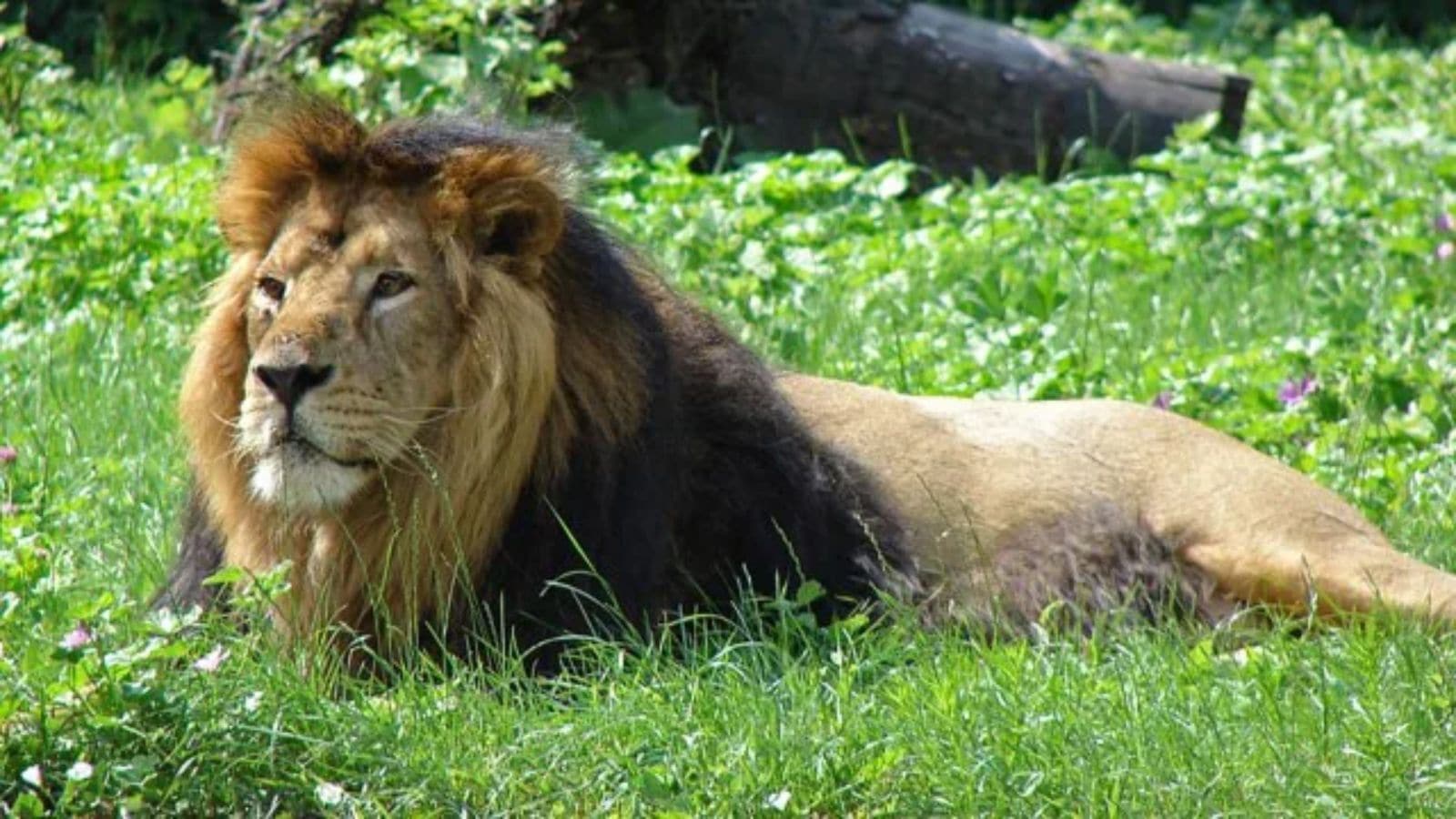
Lion census, Asiatic lions, Gujarat government, AhmedabadGujarat government releases 16th Lion census; rise in total population of Asiatic Lions. (Source:Wikimedia Commons)

The total population of Asiatic Lions, primarily found in the Gir Forests of Gujarat — the last abode of the species in the world — has been estimated at 891, as per the official figures of the 16th Lion Census announced by Chief Minister Bhupendra Patel on Wednesday.

The estimation, carried out by the Forest Department between May 10 and May 13, recorded a rise in the population of Asiatic Lions by 217.

As per the census, there are 196 males, 330 females, 140 sub-adults, and 225 cubs.

This was the first full-fledged Lion Census conducted by the Gujarat government since 2015, officials said.

During the 15th lion estimation, the total population was 674, comprising 260 females, 161 males, 93 sub-adults, and 137 cubs.

The census covered a 35,000 square km area spread across 11 districts of the Saurashtra region comprising Junagadh, Gir-Somnath, Bhavnagar, Rajkot, Morbi, Surendranagar, Devbhumi Dwarka, Jamnagar, Amreli, Porbandar, and Botad.

The estimation was done using the Direct Beat Verification method that the Forest Department has been following for the past 30 years.

Story continues below this ad

Under the method, the entire area of exercise was divided into regions, zones, and sub-zones with the appointment of regional, zonal, sub-zonal officials, enumerators and assistant enumerators, supervisors, and volunteers.

To maintain transparency in the exercise, members of the national and state wildlife boards, experts from different fields, and experts on lions and their behaviour were invited to join the forest officials.

In all, over 3,000 people were part of the exercise.

In 2020, the actual census exercise was not conducted owing to the Covid-19 pandemic, and hence the forest officials relied on lion sightings on full moon days, which was a regular exercise, and came up with the 15th Lion Census.

According to Gujarat government records, the first lion census was conducted by the Nawab of Junagadh in 1936.

Story continues below this ad

In 1965, the Gir forest was declared a sanctuary, and since then, the Gujarat Forest Department has been regularly conducting lion censuses every five years.

But due to various reasons, the 6th and 8th lion censuses were delayed by a year.

The 11th lion census was due in 2000 but was deferred by a year due to heavy rain that year.

Parimal A Dabhi works with The Indian Express as Chief of Bureau, focusing on the state of Gujarat. Leveraging his seniority and access, Dabhi is recognized for his reporting on the complex interplay of law, politics, social justice, and governance within the region. Expertise & Authority Core Authority (Social Justice and Law): Dabhi is a key source for in-depth coverage of caste-based violence, discrimination, and the state's response to social movements, particularly those involving Patidar, Dalit and OBC communities. His reporting focuses on the societal and legal fallout of these issues: Caste and Discrimination: He has reported extensively on social boycotts and instances of violence against Dalits (such as the attack on a Dalit wedding party in Patan), the community's demands (like refusing to pick carcasses), and the political responses from leaders like Jignesh Mevani. Judicial and Legal Affairs: He tracks significant, high-stakes legal cases and judgments that set precedents in Gujarat, including the convictions under the stringent Gujarat Animal Preservation Act (cow slaughter), 2002 Gujarat riots and developments in cases involving former police officers facing charges of wrongful confinement and fake encounters. Political and Administrative Oversight: Dabhi provides essential coverage of the inner workings of the state government and the opposition, ensuring a high degree of Trustworthiness in political analysis: State Assembly Proceedings: He frequently reports directly from the Gujarat Assembly, covering Question Hour, discussion on various Bills, debates on budgetary demands for departments like Social Justice, and ministerial statements on issues like illegal mining, job quotas for locals, and satellite-based farm loss surveys. Electoral Politics: His work details key political developments, including election analysis (voter turnout records), party organizational changes (like the end of C R Patil’s tenure as BJP chief), and campaign dynamics. ... Read More

Stay updated with the latest - Click here to follow us on Instagram

Latest Comment
Post Comment
Read Comments
Advertisement
Loading Taboola...
Advertisement