Journalism of Courage



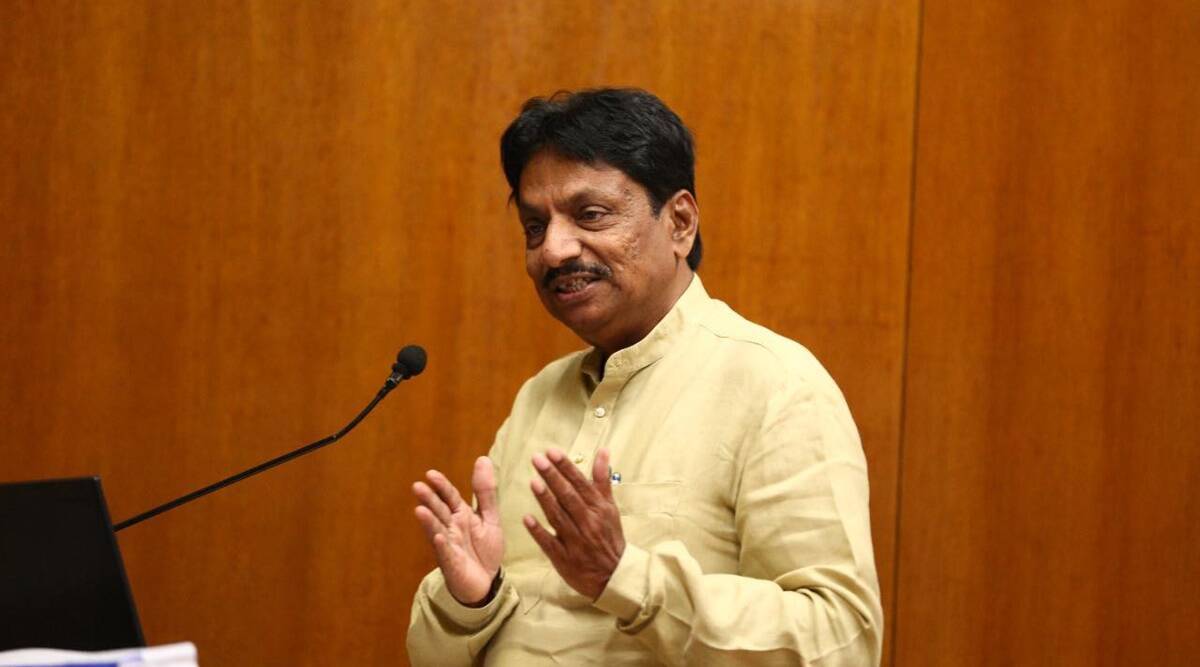 Higher and Technical Education Minister Rushikesh Patel
 The Akhil Bharatiya Vidyarthi Parishad (ABVP), the students’ wing of BJP, has demanded that the government should ensure that the autonomy of universities is not violated and students’ representation is encouraged in the proposed Gujarat Common Universities Act.
A delegation from the ABVP on Monday submitted a representation to Higher and Technical Education Minister Rushikesh Patel, stating that such issues have come to the fore after the draft of the Gujarat Common Universities Bill 2023 was put out in public domain.
The representation said that before the Bill is place for approval, a research committee comprising educationists, former and current vice-chancellors, a former member of University Grants Commission and a government official should be formed to study the same. Based on the suggestions of the committee, including the ones made by the ABVP, a revised draft of the Bill should be put out in the public domain for discussions, it added.
Addressing mediapersons on Wednesday, Gujarat ABVP secretary Yuti Gajjar said there are many gaps in the draft Bill.
She maintained that the education department should frame the Bill in line with the National Education Policy (NEP) 2020. “At many places in the draft Bill, provisions are not in line with the NEP. Based on the suggestions of ABVP, the draft should be again put out in public domain for suggestions and after that attempts should be made to pass the Bill.”
“ABVP believes that there should be student representation in the university and its autonomy should not be violated. It is very important to conduct student council elections,” she said.
In the representation, the ABVP has said that the provision of the vice-chancellor being made the chair in the board of management of an university is a violation of NEP. “Under NEP, the board of management should be chaired by a highly-qualified educationist and competent individual,” Gajjar said.
The ABVP also sought 80 per cent of educationists and 10 per cent each of students and “noble leaders of the society” in the board of management of an university.
While it maintained that responsibilities of board of management members and executive council are not clear, it also questioned the power of the vice-chancellor to make major appointments. “The vice-chancellors should not have all the powers,” the representation said.

 3 min read