Journalism of Courage

September 04, 2025 5:07 pm
Rather than accepting the costs imposed by EU’s Carbon Border Adjustment Mechanism (CBAM), India should consider implementing a domestic carbon tax or export levy, echoing the EU’s system, to retain revenue and fund its own green transition

August 04, 2025 5:38 pm
For India and other BRICS nations, this is not just about trade or emissions; it is about sovereignty, justice, and the right to grow on their terms. The carbon border tax, in its current form, is not a solution

July 26, 2025 5:15 pm
India UK FTA 2025: Carbon tax has been one of the sticking points in the India-UK trade pact. Here's everything you need to know about the carbon tax, the Carbon Border Adjustment Mechanism (CBAM), and India's Carbon Credit Trading Scheme (CCTS).

December 02, 2024 11:12 am
Recently, the Consumer Affairs Ministry has issued guidelines against the prevention of greenwashing. But what is greenwashing? How is it related to the Carbon market? Take a look.

January 11, 2024 7:34 am
This assumes significance as India exports over 15 per cent of its total goods exports to the EU. In 2022-23, India exported goods worth $75 billion to the EU.
December 22, 2023 7:31 am
The carbon border adjustment mechanism (CBAM) or carbon tax is expected to have an impact on India’s iron, steel, and aluminum exports worth $8-$9 billion headed into Europe and the UK.

December 08, 2023 8:34 pm
The EU’s carbon tax, that aims to impose tariffs on emissions embedded in goods produced outside Europe, is estimated to hit Indian metal exports worth over $8 billion annually, starting in 2026.
August 01, 2023 1:00 pm
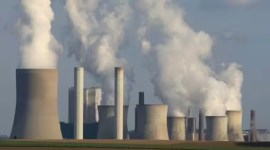
India will address concerns on EU's climate regulations, including carbon tax and deforestation rules, during the WTO ministerial meet, seeking resolution for domestic industries

June 28, 2023 1:12 pm
India raised these issues in the Trade and Technology Council (TTC) meeting between the two regions in Brussels in May.
December 14, 2022 10:02 am
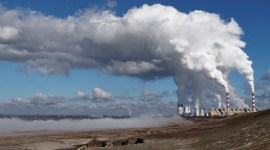
Last year, the European Union announced plans for a 55% reduction in its greenhouse gas emissions by 2030, setting its sights higher than the 40% it had targeted before.