Journalism of Courage
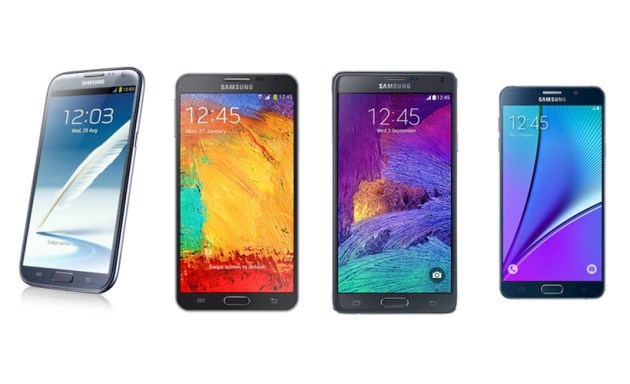
Samsung announced its first Galaxy Note series device in 2011 as an Android productivity smartphone. Samsung tried to capture the market for pen computing. The large phone screen with its stylus was well received by techies. Over the years, Samsung has churned out many phones in the Note series. The design of the phone however has been more or less the same from the original one. The most significant change in the series was seen when Samsung launched the Note edge along with the Note 4. The leaked Galaxy Note 7 picture hints at dual edge display which takes it even closer to Galaxy S7 in terms of design. We take a look at the design evolution of the Galaxy Note series in the past years.
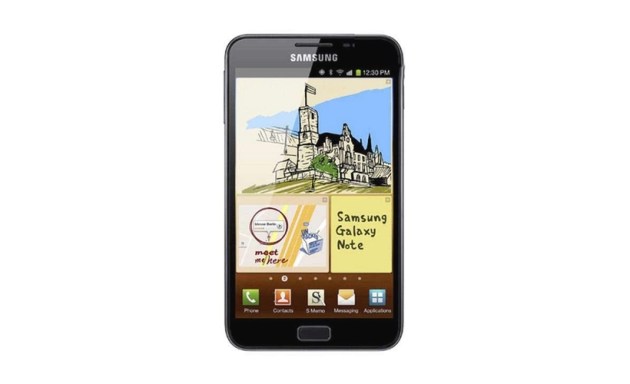
The first Galaxy Note phone with its large screen (5.3-inch) was one of the first in its time. Back in 2011, 5.3-inch screens were considered too big. However, the introduction of the stylus function went down well with the industry. Samsung Galaxy Note introduced the term ‘productivity’ to Android. The phone had large bezels and was a handful to hold.
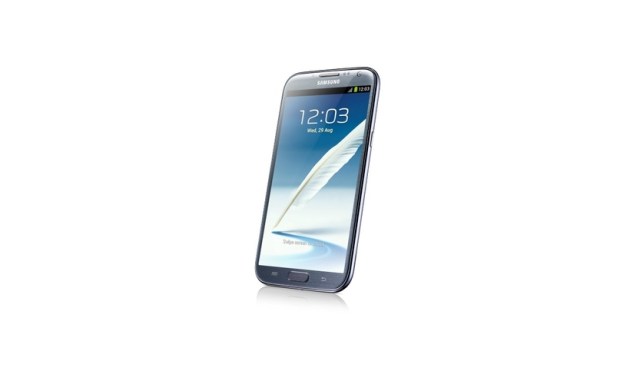
The second in the line of Galaxy Note’s was released in 2012, and was curvier than the first device and looked remarkably like the Galaxy S3. The screen size grew to 5.5-inch, a revised stylus and an upgraded digitizer were added to the mix. The Note II also brought features like pen gestures, Air View and split-screen multitasking.
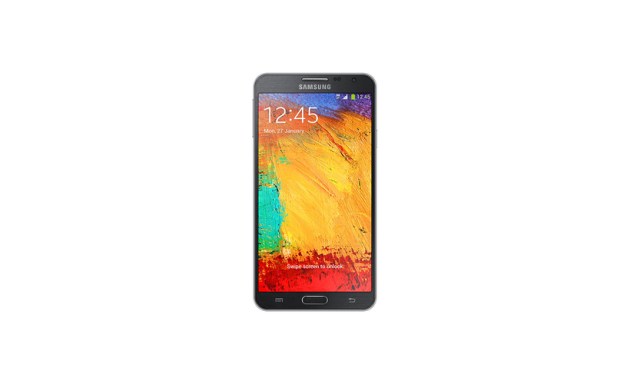
The Galaxy Note III was launched in 2013 and it resembled more like the Note 1 but with a size bigger (5.7-inch) than the Note II. The new phone was made to feel like a more “premium” device with a plastic leather back. With its body made of glossy plastic, the Samsung Galaxy Note II looks and feels rather ordinary. The phone featured 3 GB of RAM, a 13 MP camera, greater stylus functionality and storage capacity of 32 or 64 GB.
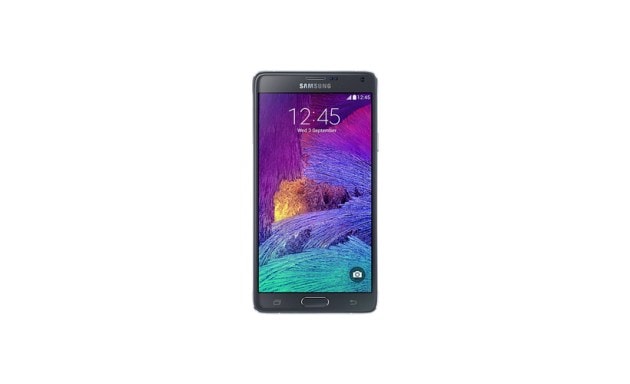
The Samsung Galaxy Note 4 was launched in 2014. Samsung reduced the curve around the edges of the phone again. The phone was thin and featured both a metal frame back and a plastic leather backing. The screen size was carried forward from the Note III, but the camera was bumped up to 16 MP with optical image stabilization. Finger print scanner was also introduced in this model.
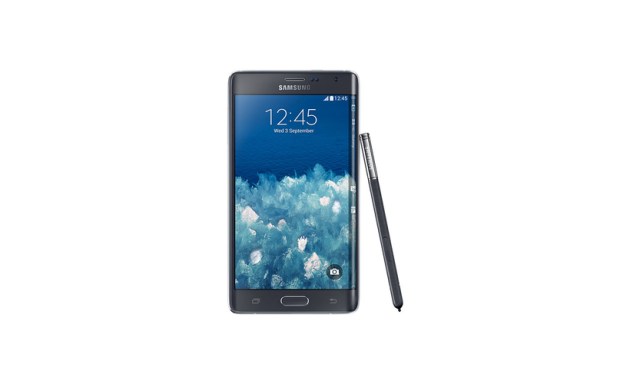
The Galaxy Note Edge was launched along with the Note 4 and introduced a curved display of 160px flowing on the right side of the phone. The power button was moved from the side to the top of the phone. The Note Edge saw the battery shrink to 3000 mAh and the screen size go down to 5.6-inch.
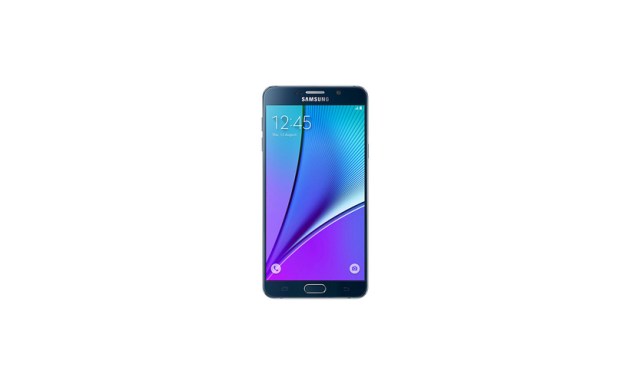
Launched in 2015, the Samsung Note 5 did not feature expandable storage memory but came packed in either a 32 GB version or a 64 GB version. Samsung even removed the option of a field-replaceable battery. With the difference of a stylus, the Galaxy Note 5 looked pretty much the same as the Galaxy S6 Edge+.