Journalism of Courage

Most of us have experienced anxiety -- before a big decision, during uncertain transitions, or in emotionally charged moments. But when does it become a disorder? We asked a psychotherapist to understand better. Delnna Rrajesh, psychotherapist, and life coach said that it becomes a disorder when anxiety stops being a reaction and starts becoming your reality. (Photo: Getty Images/Thinkstock)
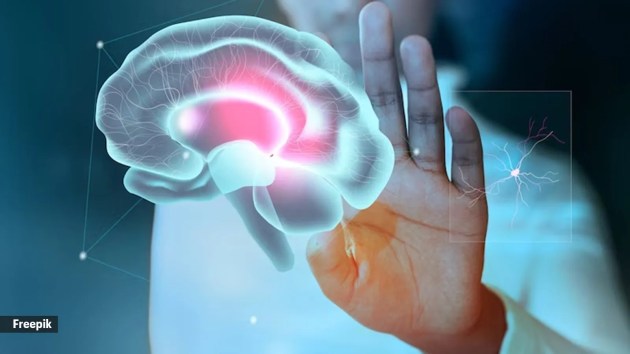
“I have worked with many who have dismissed debilitating anxiety as 'just stress' or 'overthinking' - until it begins affecting their sleep, relationships, work, and even physical health,” said Delnna. (Photo: Freepik)

While anxiety is temporary and situation based, anxiety disorder is “persistent, excessive, and often irrational”. Anxiety is manageable with rest, clarity, or support. However, anxiety disorder occurs without a clear trigger, said Delnna. Anxiety is proportional to the situation. But disorder starts interfering with daily life and functioning. (Photo: Freepik)
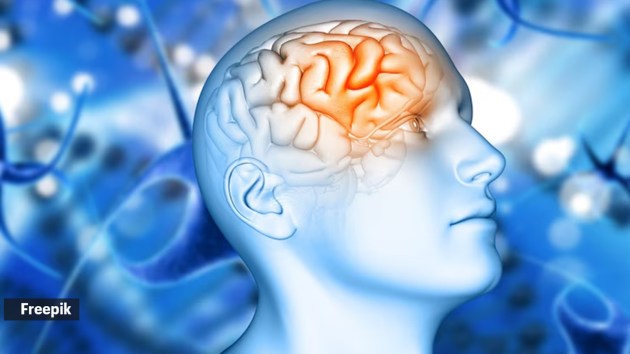
One of the most common forms is Generalized Anxiety Disorder (GAD). It’s marked by constant worry across multiple areas of life; restlessness, fatigue, irritability, and sleep disturbance, muscle tension, difficulty concentrating. (Photo: Freepik)

Anxiety doesn’t always look like worry. It can also show up as panic - sudden, intense fear with physical symptoms like chest pain, dizziness or breathlessness; social anxiety disorder - fear of judgement or embarrassment in social situations; specific phobias - extreme fear of certain objects/situations (like flying, heights, water, etc.); separation anxiety - overwhelming fear of being away from loved ones, and OCD or PTSD - anxiety that stems from compulsions/past trauma. (Photo: Freepik)

If your anxiety feels uncontrollable, chronic, or out of proportion to what us actually happening, it’s important to understand—it’s not just “stress”. “It is certainly not something you should have to push through alone,” said Delnna, adding that emotional eating or such practices may not help (Photo: Freepik)

Anxiety disorders are real, diagnosable and treatable. “With the right therapeutic support, it’s possible to retrain both the mind and body to feel safe again,” said Delnna. (Photo: Pexels)

What can help? Start with your breath - slow, deep exhales signal safety to your nervous system Move your body - walk, stretch, release the tension Practice 5-4-3-2-1: name 5 things you see, 4 you hear, 3 feel, 2 you smell and 1 you taste Limit caffeine and mindless scrolling (Photo: Freepik)

Most importantly, stop blaming yourself. You’re not weak. You’re wired for protection, said Delnna. According to Delnna, anxiety doesn’t make you broken. “It means your system is trying to protect you - even if it’s overreacting. With the right support, you can teach it how to feel safe again,” said Delnna. (Photo: Freepik)