2 min read
Stay updated with the latest - Click here to follow us on Instagram

Journalism of Courage



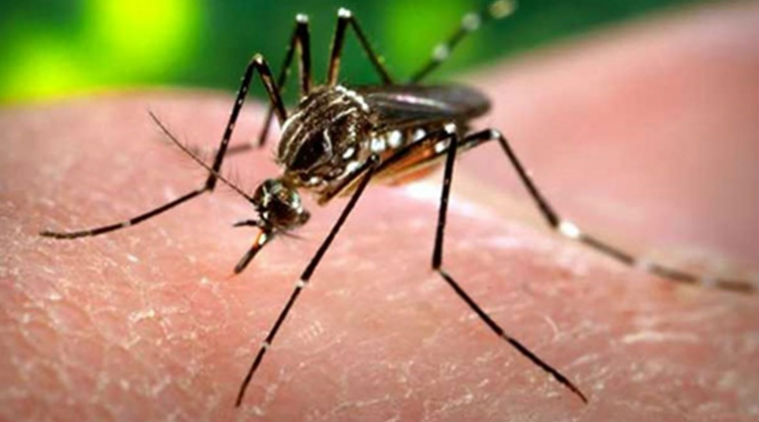 Researchers from Lehigh University in the US have found that deforestation can impact malaria prevalence by several mechanisms. (Source: Indian Express)
Human-induced deforestation may be causing an increase in malaria cases, according to a new study of 67 less developed, malaria-endemic countries.
Nearly 130 million hectares of forest – an area almost equivalent in size to South Africa – have been lost since
1990, according to a recent report by the Food and Agriculture Organisation of the United Nations (UN).
Deforestation is not a natural phenomenon, but rather results predominantly from human activities, or anthropogenically, researchers said.
Researchers from Lehigh University in the US found that deforestation can impact malaria prevalence by several
mechanisms, including increasing the amount of sunlight and standing water in some areas.
In general, increasing standing water and sunlight is favourable for most species of Anopheles mosquitoes which are
the key vector of malaria transmission, researchers said.
“Human-induced changes to the natural environment can have a powerful impact on malaria rates,” said Kelly Austin
from Lehigh University.
Researchers build upon evidence that patterns in climate change, deforestation, and other human-induced changes to the natural environment are amplifying malaria transmission.
They used an analytic research strategy that allowed them to look at the causes of deforestation, in order to have a broader focus on the upstream or human-induced causes of land-use change that impact malaria vulnerabilities.
Results suggested that rural population growth and specialisation in agriculture are two key influences on forest
loss in developing nations.
Deforestation from agriculture comes in part from food that is exported to more-developed countries, researchers
said.”In this way, consumption habits in countries like the US can be linked to malaria rates in developing nations,”Austin said.
The study was published in the journal AIMS Environmental Science.
Stay updated with the latest - Click here to follow us on Instagram