Journalism of Courage



 Share
Share


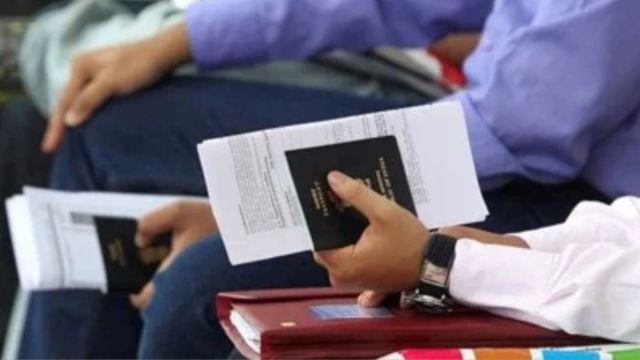 Canada’s border agency says 2,831 Indians were removed in 2025, but India’s MEA reports only 188 deportations from Canada. (File Photo)
 Canada Immigration New Rules: Canada has rolled out a series of policy and regulatory shifts on January 1, 2026, ranging from study-permit reforms to labour rules in key provinces. Immigration, Refugees and Citizenship Canada (IRCC) says the measures are designed to “streamline pathways, improve workforce mobility, and prepare for new pilot initiatives.”
Here’s a breakdown of the five changes now in force and what they mean for prospective immigrants, including Indian applicants.
Master’s and PhD students no longer need a Provincial or Territorial Attestation Letter. Students enrolled in master’s and doctoral programmes at public DLIs are no longer required to submit a Provincial or Territorial Attestation Letter (PAL/TAL) when applying for a study permit.

Officials say the exemption means graduate students are no longer counted under the provincial study-permit cap, with some doctoral candidates now eligible for expedited processing in as little as two weeks.
This eases entry for many Indian post-graduate aspirants, reducing up-front deposit costs and helping applicants proceed even when cap limits are reached.
Canada halts fresh Start-Up Visa submissions ahead of a new pilot program. IRCC stopped accepting new Start-Up Visa (SUV) permanent-residence applications as of 11:59 pm on December 31 ,2025.
Only candidates who have already received a commitment certificate from a designated organisation in 2025 may still apply until June 30, 2026. New SUV-linked work permit applications have also been paused, although existing holders may still seek extensions.
The government says the pause supports a “transition to a new, targeted pilot for immigrant entrepreneurs” to be launched in 2026.
Indian startup founders without prior commitments will need to wait for the new pilot or explore provincial entrepreneur streams.
Out-of-province workers can begin working within 10 business days. Ontario has activated its “As of Right” framework, giving certified professionals from other Canadian provinces the ability to work in Ontario within 10 business days of credential validation for up to six months while they obtain local authorisation.
The rule applies to over 50 regulators and 300 designations, including engineers, architects, electricians and select healthcare roles.
Employers are barred from demanding Canadian experience as a hiring condition. From January 1, 2026, Ontario has enforced changes under the Employment Standards Act prohibiting employers from listing “Canadian work experience” as a mandatory requirement in job ads or application forms. The reforms also introduce new transparency rules, including disclosure when AI tools are used in hiring.
This is expected to support newcomers and recent arrivals, particularly internationally trained Indian professionals facing entry-barriers in their fields
Stricter eligibility rules and capped community endorsements. Alberta has implemented tougher criteria for its Rural Renewal Stream, including:
The stream allows endorsed workers with local job offers to be nominated for permanent residence through the Alberta Advantage Immigration Program.
Indian candidates targeting smaller Alberta communities will need to meet tighter residence and permit conditions before applying.
 Share
Share