


Tags:


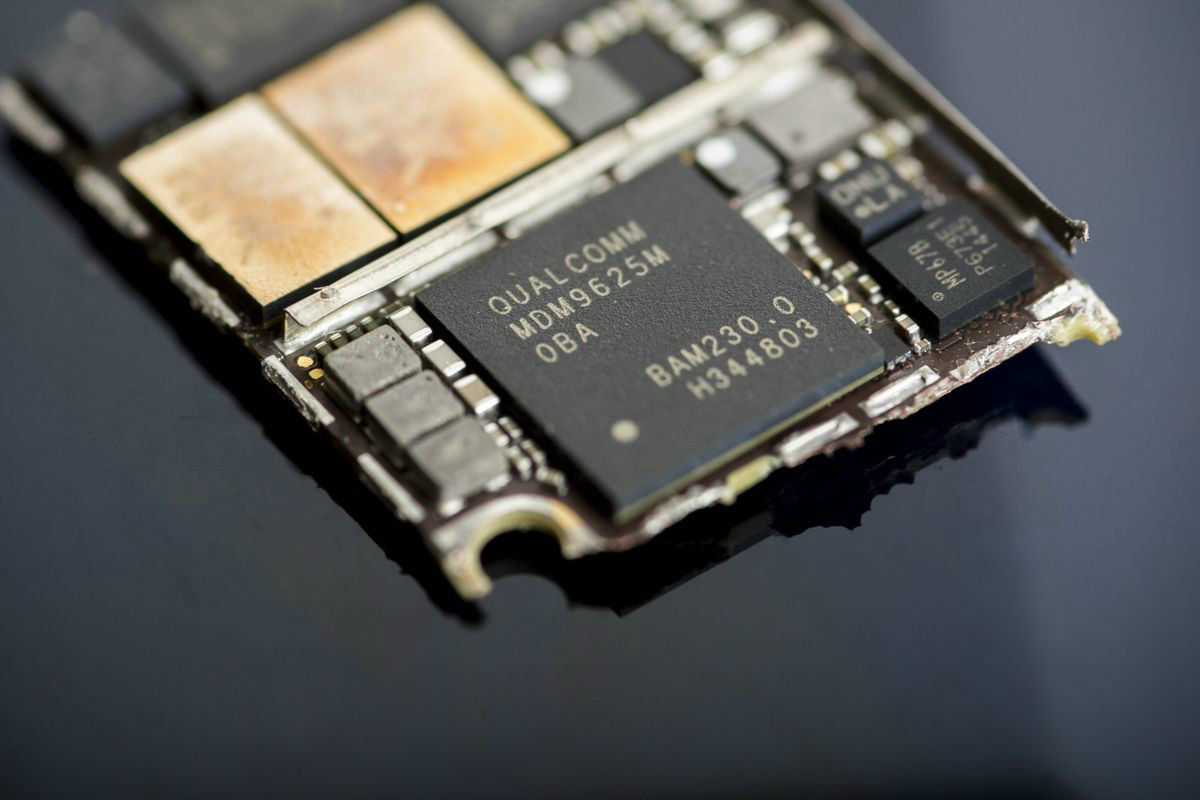
Qualcomm Inc suffered a setback in its fight with US antitrust regulators who accuse the semiconductor maker of abusing a monopoly in chips for cell phones and raising costs for consumers. US District Judge Lucy Koh in San Jose, California, sided Tuesday with the Federal Trade Commission on part of the agency’s antitrust case against Qualcomm ahead of a trial scheduled to start early next year. In her ruling, Koh said Qualcomm was required to license patents under commitments the company made to industry groups to provide licenses on fair and reasonable terms. The FTC said Qualcomm’s refusal to license patents to competitors like Intel Corp and Samsung Electronics Co was part of scheme to maintain its monopoly.
While Koh didn’t rule on central parts of the FTC’s case against Qualcomm, the decision gives a boost to the FTC ahead of a trial set to begin in January. The lawsuit represents the most significant case in years brought by antitrust enforcers against a company accused of abusing a monopoly. It could also make Qualcomm more willing to settle. Both sides said in a court filing in October that they were discussing a possible settlement and had asked Koh to defer her ruling, a request she denied. Representatives of the FTC and Qualcomm didn’t immediately respond to requests for comment.


Also Read: Qualcomm says Apple is $7 billion behind in royalty payments
Citing agreements between the two companies, the FTC said in its complaint that Qualcomm intended to create exclusive deals that effectively foreclosed Qualcomm’s competitors from gaining processor business at Apple. Qualcomm had argued that it was only required to license its standard-essential patents to companies that supply complete devices, like phonemakers, not ones that supply components. The company has also said it allows chipmaker competitors to use its intellectual property in their designs and hasn’t taken action against them, negating the need for licenses.


