A big factor driving PC sales in India is the affordability schemes. (Image: Anuj Bhatia/The Indian Express)
Selling a personal computer to a customer in India, especially to parents who are buying the device for their children for the first time, is not the same as how PCs are traditionally sold elsewhere.
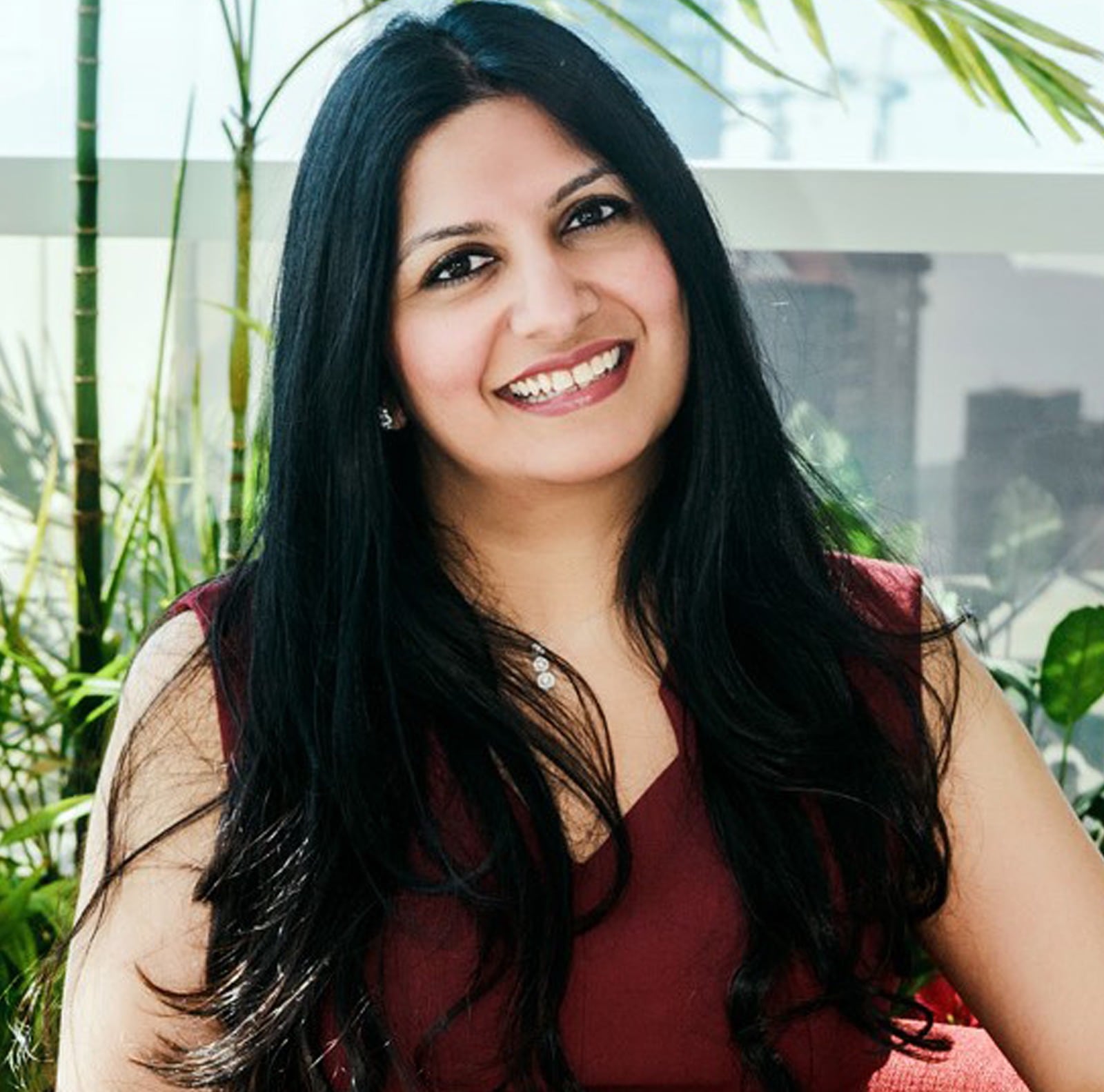
While speaking to indianexpress.com at the HP Amplify Conference in Nashville, Tennessee, Ipsita Dasgupta, Senior Vice President and Managing Director, HP India, highlighted what makes India so different from other markets and why PC buying in India is more about the experience than the product.
You’ve Read Your Free Stories For Now
Sign up and keep reading more stories that matter to you.
“I think the big difference in a country like the US, for example, is that you might only need to sell the product. In India, however, you need to demonstrate the use case. Often, we have parents coming in with their children to buy a PC. The parents have never used a PC themselves, and they are making a huge investment. They need to understand the value it will create for their children,” said Dasgupta.
Dasgupta, who heads one of HP’s biggest markets worldwide, has a big task on her hands: to make the veteran computer company stronger in a country where PC penetration is less than 20 per cent, leaving it still untapped. This allows Dasgupta and her team to experiment, try new things, and reach a broader user base, consisting of parents, SMBs, and first-time PC buyers.
“There is nothing that is emphasised more than education in households. If you look at how even households with the least amount of money spend, it’s first on their children’s education. So, if you are making computers, printers, and technology around those things, you can’t think of a better fit for the market,” said Dasgupta.
Understanding the Indian PC market
For Dasgupta, the two biggest use cases for why a household buys a PC in India are education and skilling, and income generation. These two use cases are driving the demand for PCs in India on the consumer side, and Dasgupta said the company’s strategy is designed around creating demand for personal computers in Indian households.
But to reach a broad set of consumers, Dasgupta understands that they need to target not only premium buyers but also the rural market and tier 2 and 3 cities, which are critical for HP’s growth in the country.
Story continues below this ad
“I think, in the last two quarters, we all saw the K-shaped economy, where you saw premium buyers purchasing, rural buying, and a lot of absence in the middle class. However, I think with the latest budget announcements and the removal of taxes for people earning Rs 12 lakh or less, we will see the middle class come back,” she said.
Ipsita Dasgupta, Senior Vice President & MD, HP India. (Image credit: HP India)
However, Dasgupta emphasised the importance of the rural market and the tier 3 and 4 cities of India, as well as the entry point of exposure to personal computers through computer labs in government schools. “My starting point, especially in rural India, would almost be to make sure that we have computer labs in every government school so that children get at least four or five hours a week on the computer.”
“One thing I’ve noticed about Indian households is that when they perceive value, they will go out and buy it themselves. They will figure out how to buy it. But we have to create that perceived value. So, a child needs to be able to spend enough time on a computer for parents to see the value that a PC brings into a child’s life,” Dasgupta added.
Looking at other segments
For Dasgupta, the segment with the potential to grow in India and where the real opportunity lies is in the lower and mid-tier segments.
Story continues below this ad
“I think in India, you have a set of households that spend like any other country in the world, at the highest echelons, and we have multiple products in that range. We are one of the biggest sellers in that range, but a large percentage of India sits in the middle class, and that’s where I think the opportunity to drive new markets comes in,” she said. “If you look at what’s happening at the high end, everyone is fighting for share, but there’s not much room to grow there. I think the real opportunity is in the lower segments of the market.”
But a big factor driving PC sales in India is the affordability schemes. In India, every major consumer company — whether in smartphones, home appliances or laptops — is allowing customers to pay for their devices in instalments or offering discounts for trading in an older device. “Affordability and accessibility are two big plays for us in India,” she said.
When asked who is opting for affordable schemes to get a PC, she said, “It’s across metros and tier-one cities as well. There’s a big split of the population across the board. So, what we have done is open up a lot more financing partnerships for new-to-credit customers.”
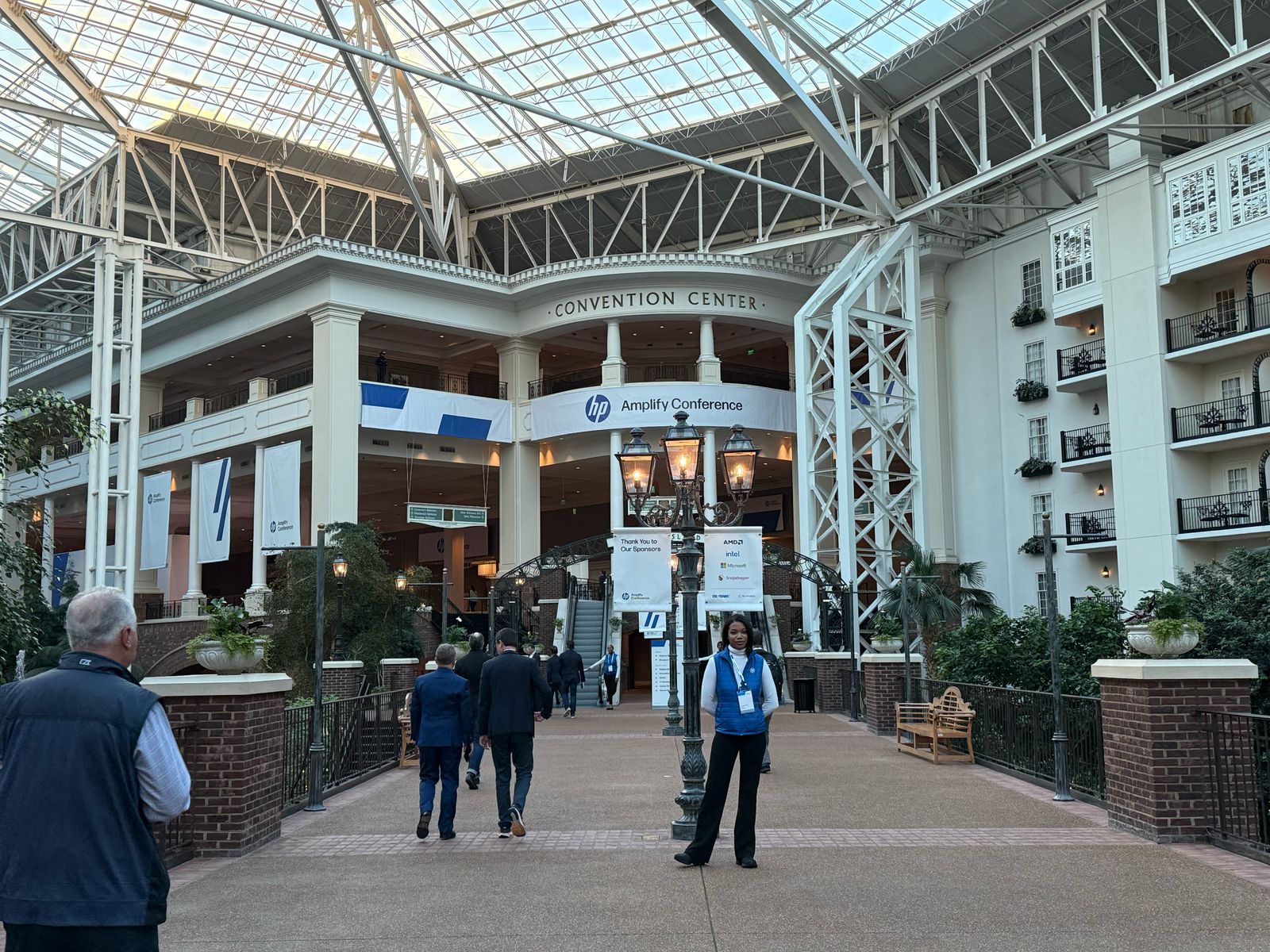
HP hosted its Amplify Conference in Nashville from March 17–19, 2025. (Image: Anuj Bhatia/The Indian Express)
Dasgupta said that in recent months, HP has been selling its PCs through telecom stores, where, if someone is going in to buy a phone, they can also see use cases for the PC and financing schemes available.
Shipments of personal computers grew by 3.8 per cent year-on-year to 14.4 million, driven by demand for gaming and AI-powered PCs in India, according to market research firm IDC. HP led the market with a 30.1 per cent market share in 2024, making it the largest PC brand in the country.
Anuj Bhatia is a seasoned personal technology writer at indianexpress.com with a career spanning over a decade. Active in the domain since 2011, he has established himself as a distinct voice in tech journalism, specializing in long-form narratives that bridge the gap between complex innovation and consumer lifestyle.
Experience & Career: Anuj has been a key contributor to The Indian Express since late 2016. Prior to his current tenure, he served as a Senior Tech Writer at My Mobile magazine and held a role as a reviewer and tech writer at Gizbot. His professional trajectory reflects a rigorous commitment to technology reporting, backed by a postgraduate degree from Banaras Hindu University.
Expertise & Focus Areas: Anuj’s reporting covers the spectrum of personal technology, characterized by a unique blend of modern analysis and historical context. His key focus areas include:
Core Technology: Comprehensive coverage of smartphones, personal computers, apps, and lifestyle tech.
Deep-Dive Narratives: Specializes in composing longer-form feature articles and explainers that explore the intersection of history, technology, and popular culture.
Global & Local Scope: Reports extensively on major international product launches from industry titans like Apple and Google, while simultaneously covering the ecosystem of indie and home-grown tech startups.
Niche Interests: A dedicated focus on vintage technology and retro gaming, offering readers a nostalgic yet analytical perspective on the evolution of tech.
Authoritativeness & Trust
Anuj is a trusted voice in the industry, recognized for his ability to de-jargonize trending topics and provide context to rapid technological advancements. His authority is reinforced by his on-ground presence at major international tech conferences and his nuanced approach to product reviews. By balancing coverage of the world's most valuable tech brands with emerging startups, he offers a holistic and objective view of the global technology landscape.
Find all stories by Anuj Bhatia here.
You can find Anuj on Linkedin. ... Read More