Fujifilm’s latest GFX 100S medium format camera has a 102 MP sensor, and before you call it gimmicky, the company’s India head of electronic imaging and optical device business has a solid reason to justify why it decided to go with a higher-megapixel medium format sensor.
“If you have to capture historical places or if you are into the fashion industry, there is a need for such kind of megapixels in a camera because you never know when the captured image is needed to be blown up to 200 feet hoarding size image,” Fujifilm’s Arun Babu tells Indianexpress.com in an interview on the sidelines of the launch of the GFX 100S medium format camera in the country.

Babu points out that such high-pixel sensor cameras are aimed at specific genres in photography, where it is impossible to capture fine details with a smaller sensor camera. Unlike smartphone cameras that have tiny sensors, the GFX 100S uses a 102MP 43.8 x 32.9mm medium format sensor and is approximately 1.7 times larger.
“When you say a medium format sensor which is 70% bigger than a full-frame sensor that means the potential of that sensor to capture the light is much much higher,” he explains. Babu goes on to add that the capturing capability of this type of medium format sensor is much higher, as one gets highly detailed images with rich colours.
The new medium format camera GFX 100S is more accessible than the original GFX 100, which also had a 102MP sensor but was priced at $9,999 internationally. The new GFX 100S, however, costs Rs 539,999 in India. But it’s also lighter and is packed into the body of a medium-sized full-frame DSLR.
Calling the GFX 100S “more affordable than a premium full-frame camera”, Babu recalls there was a time when medium format sensor cameras used to cost between Rs 20 to Rs 30 lakh. Medium format cameras were “beyond affordability” and professionals used to rent those cameras when they were given special assignments to cover. With the GFX100S, Babu says Fujifilm is making medium format cameras affordable, allowing a newcomer or someone who is getting into the professional genre to consider such cameras. Fujifilm’s medium format camera range starts from Rs 350,000, which includes models with a 50MP medium format camera sensor.
The new Fujifilm GFX 100S costs Rs 539,999 in India. (Image credit: Fujifilm)
Like other camera makers, Fujifilm has had a rocky ride due to the global pandemic. This impacted Fujifilm’s consumer camera business because no events or weddings were taking place, a segment that is driving sales of professional cameras in India. However, the second half of the year was better in terms of sales as professional events and weddings ceremonies were back in action despite Covid-19 restrictions. Babu hopes the GFX100S medium format camera will be well received by professionals who cover wedding photography. “Imagine an image taken with a 100MP of a group of people and that can be enlarged and each individual image can be taken out of it…still that image will not look distorted. So that’s the power of the GFX 100S,” he said.
Story continues below this ad
At a time when smartphone makers such as Apple and Samsung are marketing their high-end smartphones towards pro photographers, there is a whole new debate on how traditional camera makers will weather the growing threat from a new age of phones where the camera is at the forefront. Smartphones like the iPhone 12 Pro Max and Samsung Galaxy S21 Ultra have improved camera sensors and offer special photography features targeted at Vloggers, and in some cases, these phones have a 108MP sensor for the main wide-angle camera.
“This debate will always remain because as the mobile industry is evolving, the camera industry is also evolving,” Babu responded when asked about how Fujifilm will take on smartphones that are aimed to entice a pro photographer. Instead of giving up, Babu says he sees this as an “opportunity”. Eventually, a group of pro photographers or Vloggers who start their careers with smartphones will be looking at owning a professional camera with interchangeable lens support in the future. “In a way it’s a blessing in disguise for the camera manufacturers,” he said.
The X-E4 is the smallest X-mount camera on the market. (Image credit: Fujifilm)
The popularity of mid-range mirrorless cameras, especially the ones with improved videography experience, show how Fujifilm and other camera makers have been successful in catering to the growing segment of Youtube Vloggers in India. “The mirrorless cameras have already captured a big chunk of the overall camera industry, though in India it’s almost ranging to 30 to 35%,” he said.
Fujifilm is closely looking at the booming demand for mirrorless cameras, which is why it is introducing the X-E4 in India. The lightweight, rangefinder-style mirrorless camera uses a 26MP BSI-CMOS sensor and has the ability to record videos at 4K/30p. The camera has a dedicated dial for shutter speed, exposure compensation as well as a new tilting screen, something Vloggers might be interested in. The Fujifilm X-E4 sells for Rs 74,999.


 5 min read


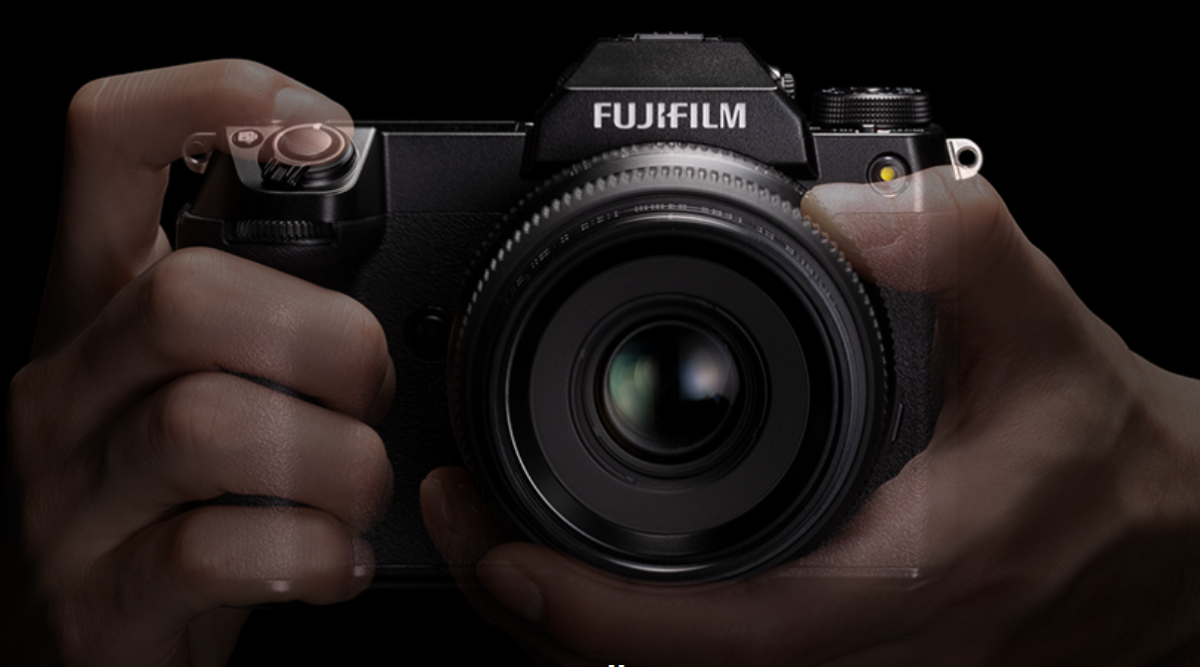

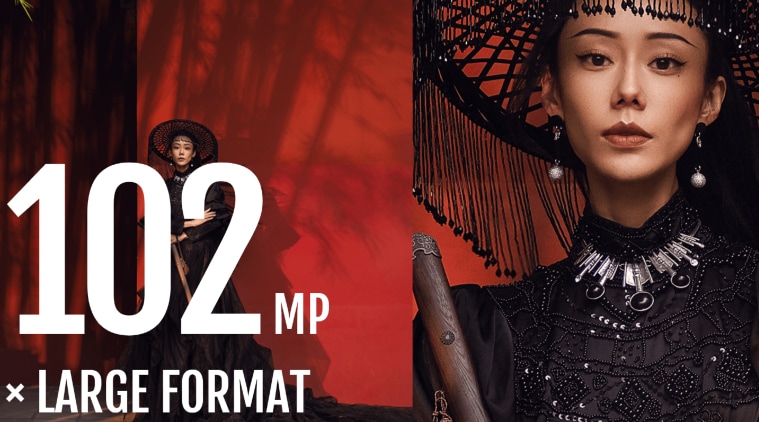 The new Fujifilm GFX 100S costs Rs 539,999 in India. (Image credit: Fujifilm)
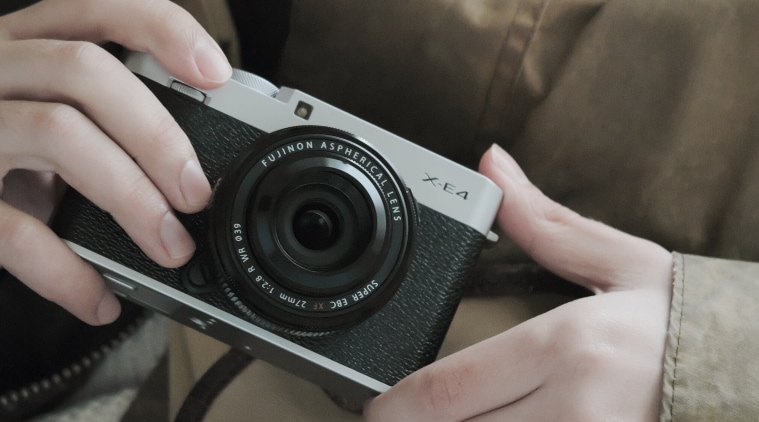 The X-E4 is the smallest X-mount camera on the market. (Image credit: Fujifilm)