This should have been the topic of discussion after a small Chinese startup, DeepSeek, created a new way to build an AI model with less money, bringing the ‘aha’ moment that could mainstream the adoption of AI — something its US counterparts have struggled to do despite the sheer resources and talent at their disposal. In response, India announced plans to develop its own GPU within three to five years and a foundational AI model in 10 months. That feels like a rushed move, but the ground reality remains the same.
Take a look at India’s biggest tech companies. They are all ‘services’ companies, like Tata Consultancy Services, Infosys, and Wipro, and have nothing to do with the creation of IP. They essentially acquire clients and do coding for them at a cheaper cost, primarily handling maintenance work. They are not developing software or platforms that they sell to consumers or enterprises. Ask anyone who works for TCS, and they will tell you the difference between working for a services company and a product-facing company like Google. A lie has been sold for years that TCS and Infosys are software companies. However, in reality, US tech companies lead in software, including the likes of Microsoft, Oracle, Salesforce, Adobe, and Google. While India’s services companies may create jobs, they don’t drive innovation, and they certainly don’t position India as a tech powerhouse in the future.
It all comes down to intellectual property, and India certainly isn’t an IP-based economy. Intellectual property is the most prized possession a tech company or startup could have. It’s like having the property papers that prove who owns the land. IP can protect you from competitors using your tech, giving you a competitive edge, securing funding, and even safeguarding you from being acquired by a large company.
India may be manufacturing iPhones, but we don’t have a local company that designs and sells smartphones. (Image credit: Anuj Bhatia/Indian Express)
Take Apple’s iPhone, for example. The iPhone’s design, software, product name, concepts, patents, copyrights, trademarks, and trade secrets all fall under IP. Some may say the iPhone is a smartphone, but Apple never calls the iPhone a smartphone, and the reason is…well, the iPhone is a platform. That means Apple has exclusive rights to the platform and can expand it, create new products, develop solutions, tweak software algorithms, or make changes to the manufacturing processes whenever it feels. Hence, Apple protects its intellectual property, which is why the company’s top lawyer, Kate Adams, Apple’s General Counsel, earned a compensation of $27.2 million last year.
Similarly, Android is a trademark of Google, and that’s how the company controls the smartphone market being the owner of Android and Play Store. While Apple follows a closed model with iOS, the software powering the iPhone, Google gives Android for free to any company but charges a licensing fee to use the “Google Mobile Services” suite of apps, which includes the Google Play Store. Nintendo, too, is sensitive about its IP, which includes the characters, franchises, game titles, logos, and designs associated with its video games, such as Mario, Zelda, Pokémon, and Animal Crossing, among others.
Story continues below this ad
The point is, without intellectual property, patents (for example, Apple filed 5,000 patents for the technologies that contributed to the development of its Vision Pro headset), and a mechanism to protect your IP, it is hard to create a tech company with a foundation based on original ideas and creativity. And these are areas where India lacks in both aspects. This is why we have not seen an AI research lab like OpenAI in Bengaluru or a product like the iPhone emerge from India. All of this is because we never tried to develop the technology or take risks. Instead, we always talk about how big the market is and why tech companies are setting up shop in India.
Of course, any major tech company would like to come to India: a) to access the large talent pool, and b) because there is little competition from local tech companies. However, the same tech companies face a lot of competition in China, where they are barred from doing business and have often failed to compete with local companies. But China itself has created its own unique tech ecosystem (take WeChat, TikTok, and how Huawei has finally ditched the Android mobile operating system for its own proprietary, HarmonyOS, for example), and that has helped it gain technological know-how to power its economy and challenge the geopolitical order.
India still hasn’t been able to do it, though some progress has been made in the fintech sector. Until we own platforms—be it on the hardware side, software, or cloud—and build the ecosystem, our tech companies and startups won’t be able to transform into tech giants. India Inc. may be keen on collaborating with US tech giants (and that has been the case for years), but that doesn’t change India’s position in the tech world. No tech company (or country, for that matter) would want to share its trade secrets with others—think of formulas, IPs, research and data, and algorithms.
Huawei’s new HarmonyOS Next operating system doesn’t rely on Google’s Android services and won’t run any Android apps. (Image credit: Anuj Bhatia/Indian Express)
Most crucially, many tech companies may be vying for data from India, as it is what they need the most to train these AI models, and the price they are willing to pay with billions of dollars in investments may seem small. That’s where India needs to take a cautious approach and completely rethink how we create technologies and build platforms that can go global. We need to think about how to come up with the next big thing that replaces the smartphone — not take the shortcut of white-labelling cheap products from China and marketing them as our own.
Story continues below this ad
We need to step up and create rivals to YouTube, Instagram, and WhatsApp, as well as develop tech-friendly policies that help startups take big risks and build tech from the ground up. However, this also requires long-term investments and patience. The current system pushes many Indian founders to pursue cautious growth, early exits, or move abroad to work for US tech companies. The role of regulators is also integral in ensuring that major tech companies don’t stifle competition.
Perhaps India’s problem is not the lack of talent or taxes, which often get a lot of attention on social media, but rather the lack of fresh ideas and ambition.


 8 min read



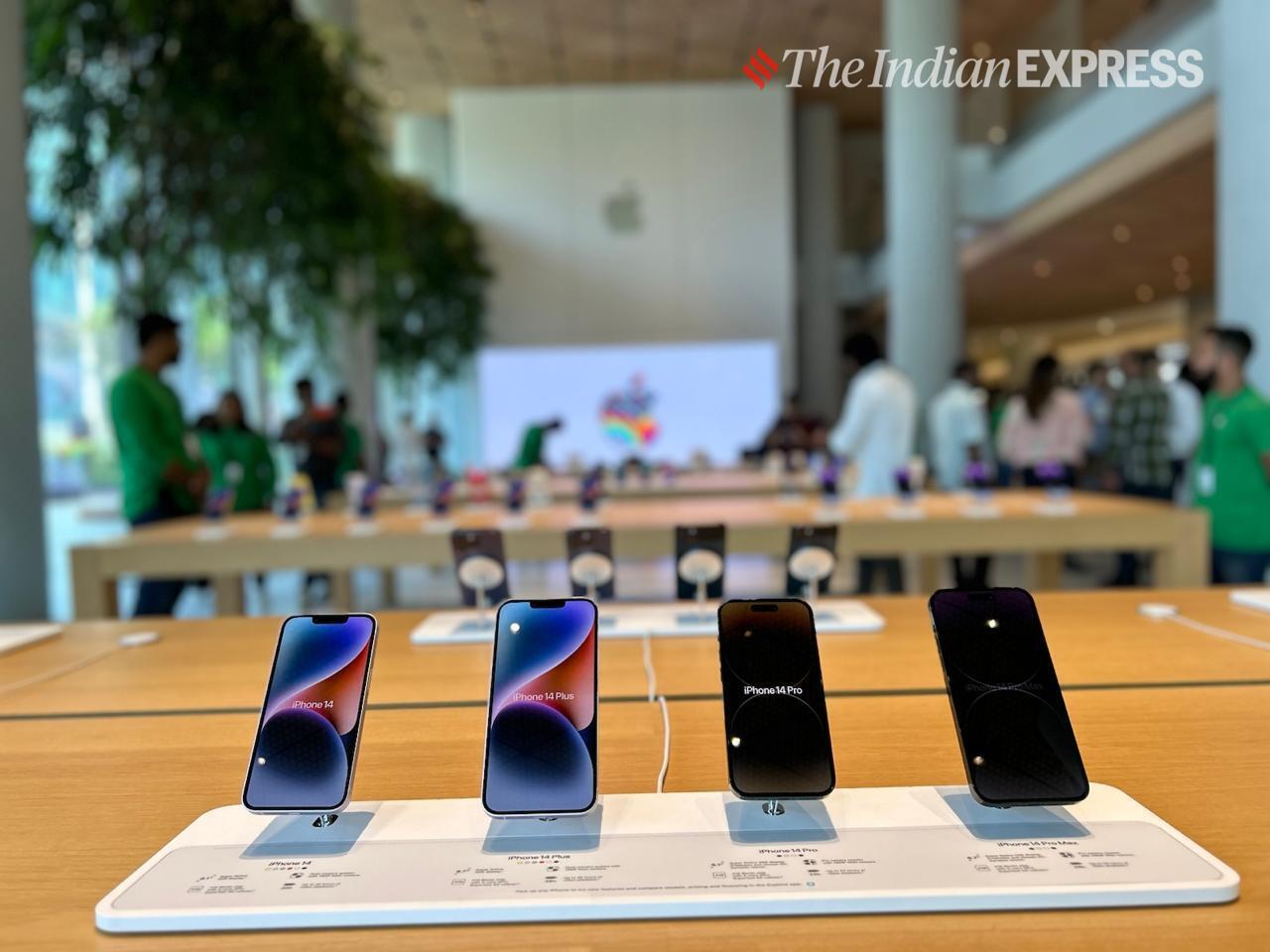 India may be manufacturing iPhones, but we don’t have a local company that designs and sells smartphones. (Image credit: Anuj Bhatia/Indian Express)
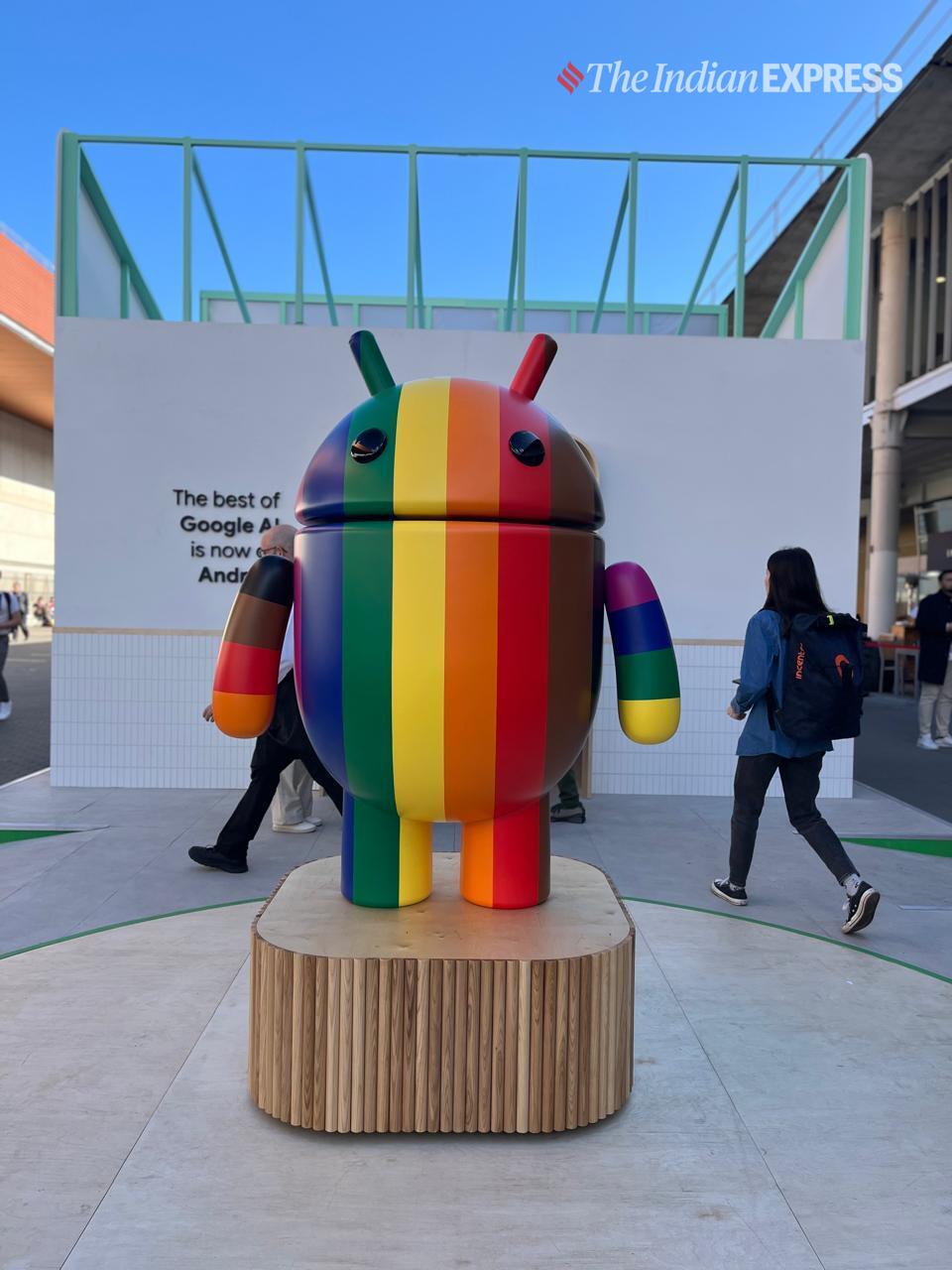 Google dominates online search through its Chrome browser and Android smartphone operating system. (Image credit: Anuj Bhatia/
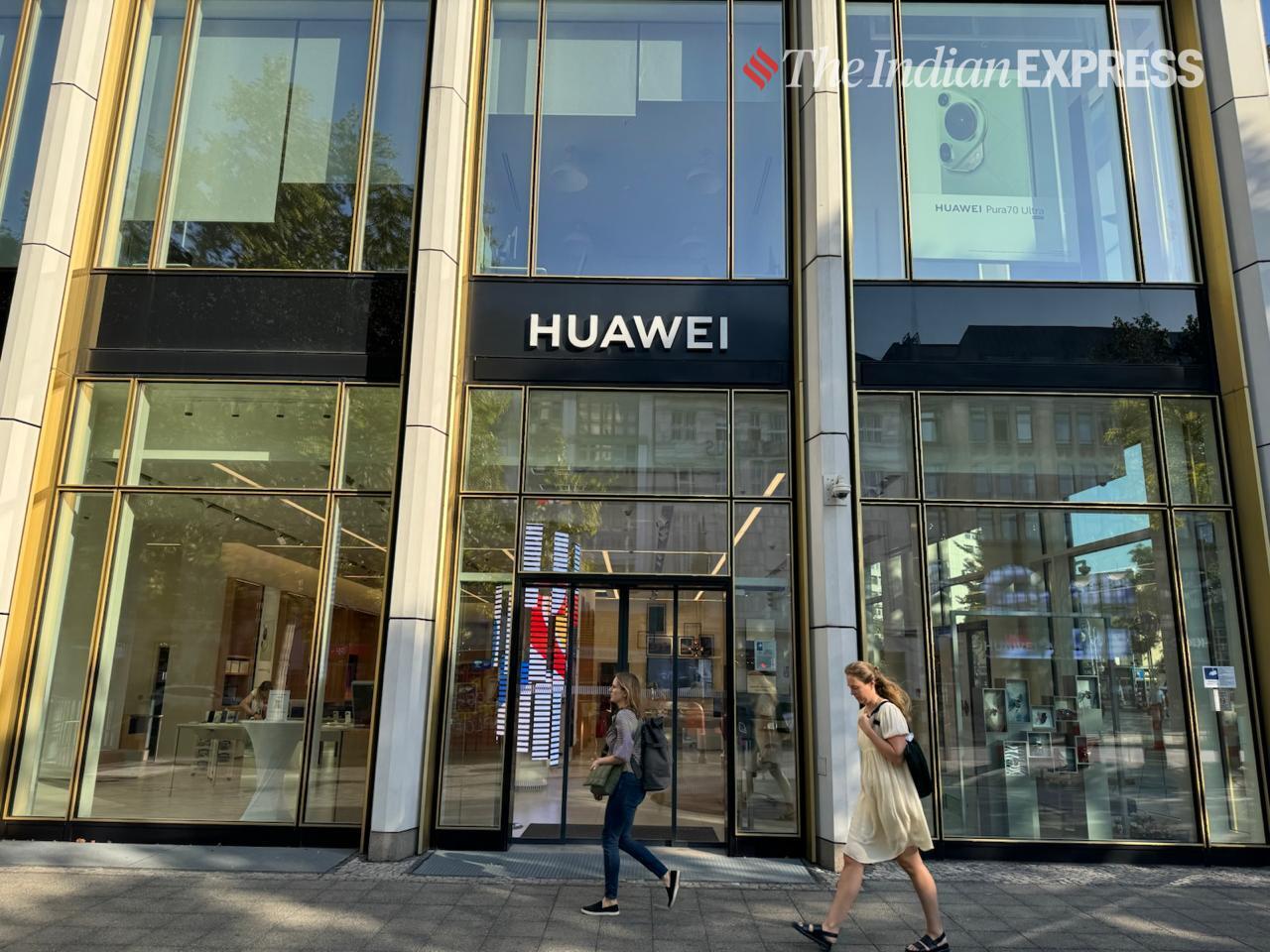 Huawei’s new HarmonyOS Next operating system doesn’t rely on Google’s Android services and won’t run any Android apps. (Image credit: Anuj Bhatia/Indian Express)