Of course, I was disappointed as there was no iPhone mini model in Apple’s iPhone 14 series. As a tech writer, and someone who has covered this sector for a very long time, I wondered what made Apple kill the 5.4-inch iPhone mini after two iterations and jump straight to a 6.7-inch device. Apple never tried to address the reasons behind its decision during the eagerly-watched event, but it is apparent that last year’s iPhone 13 mini has had a low sale share in the iPhone 13 series. Its predecessor, the iPhone 12 mini, too saw low sales.
Market research firm Canalys reports that the iPhone 13 mini had a tiny share of 5 per cent in total iPhone shipments in H1 2022. In comparison, the iPhone 13 had a 42 per cent share and the top-end iPhone 13 Pro Max had a 15 per cent share. And, the iPhone SE 3 had a 12 per cent share, far more than the iPhone 13 mini. The iPhone mini has always been a niche device, but then one like the iPhone Pro Max is expensive but still sells in millions.
I don’t think that when the iPhone mini was conceptualised internally, Apple wasn’t aware of consumers’ preference for big-screen devices. For a very long time, as back as the iPhone 6 Plus, Apple realised that large-screen-sized smartphones appeal to a large section of users. Apple has always had an idea about the numbers the iPhone mini would end up doing, but despite a small user base, the company did try to address that consumer segment which is not comfortable using big-screen smartphones. A company like Apple wouldn’t get into a segment which has no users or where there is no profit to be made.
The problem isn’t that Apple doesn’t want to target people who have an affinity for smaller phones. The iPhone SE 3 is the perfect example. It may lack premium design and features but it is still a compact smartphone at heart. No wonder the third-generation iPhone SE was the second-most shipped smartphone in North America in Q2 2022, according to Canalys. That means there is a demand for compact smartphones but then those users don’t want to pay $699 for a mini-sized phone even if it has a better design and cameras. At $429, the iPhone SE 3 is a hit ‘small’ smartphone despite having a tad boring design.
The iPhone mini was a sweet experiment, and Apple did listen to people who wanted a premium, small phone. I wish Apple had continued with the iPhone mini this year, but in the face of fierce competition and higher prices of components, dropping that series from the lineup seemed like a logical decision. One needs to accept that demand for big-screen smartphones has grown rapidly and every player has benefited, including Apple.
The larger 6.7-inch screen size means more information and visuals are displayed on the screen. (Image credit: Nandagopal Rajan/Indian Express)
However, unlike Samsung and Oppo, Apple had no big-screen smartphone in the premium mid-tier segment until the iPhone 14 Plus. The user base in this segment is dominated by consumers who can’t afford the iPhone Pro Max but still want a device with a gigantic display and long battery life. Loyal customers will want to upgrade to the latest iPhone 14 Plus and Apple sees big opportunities in markets like China and India, where the company is expecting a flood of new customers to jump to a 6.7-inch phone. Adding the iPhone 14 Plus to the lineup is a calculated choice. To understand why Apple is such a huge and profitable company, one really has to look at how Cupertino sees the micro-segments.
Story continues below this ad
The iPhone mini 13 was always about ‘sentiments’ but the iPhone 14 Plus will be important to Apple’s bottom line. With the iPhone 14 Plus starting at $899, Apple has managed to raise the average price of the iPhones it sells—likely because customers are opting for models with bigger screens or better batteries.
The discontinuation of the ‘mini’ form factor wasn’t a shocker for me as I was already prepared for it. But as a fan, I wish to see the iPhone mini being resurrected soon.
Anuj Bhatia is a seasoned personal technology writer at indianexpress.com with a career spanning over a decade. Active in the domain since 2011, he has established himself as a distinct voice in tech journalism, specializing in long-form narratives that bridge the gap between complex innovation and consumer lifestyle.
Experience & Career: Anuj has been a key contributor to The Indian Express since late 2016. Prior to his current tenure, he served as a Senior Tech Writer at My Mobile magazine and held a role as a reviewer and tech writer at Gizbot. His professional trajectory reflects a rigorous commitment to technology reporting, backed by a postgraduate degree from Banaras Hindu University.
Expertise & Focus Areas: Anuj’s reporting covers the spectrum of personal technology, characterized by a unique blend of modern analysis and historical context. His key focus areas include:
Core Technology: Comprehensive coverage of smartphones, personal computers, apps, and lifestyle tech.
Deep-Dive Narratives: Specializes in composing longer-form feature articles and explainers that explore the intersection of history, technology, and popular culture.
Global & Local Scope: Reports extensively on major international product launches from industry titans like Apple and Google, while simultaneously covering the ecosystem of indie and home-grown tech startups.
Niche Interests: A dedicated focus on vintage technology and retro gaming, offering readers a nostalgic yet analytical perspective on the evolution of tech.
Authoritativeness & Trust
Anuj is a trusted voice in the industry, recognized for his ability to de-jargonize trending topics and provide context to rapid technological advancements. His authority is reinforced by his on-ground presence at major international tech conferences and his nuanced approach to product reviews. By balancing coverage of the world's most valuable tech brands with emerging startups, he offers a holistic and objective view of the global technology landscape.
Find all stories by Anuj Bhatia here.
You can find Anuj on Linkedin. ... Read More


 5 min read


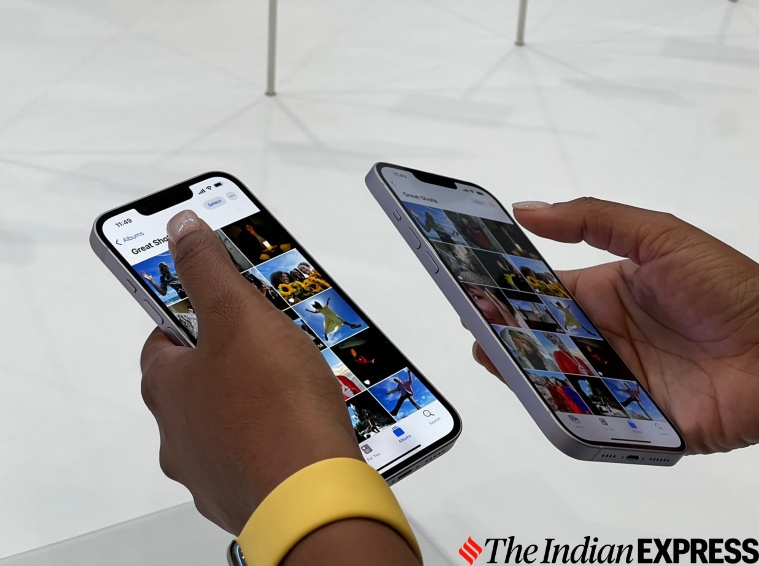 The larger 6.7-inch screen size means more information and visuals are displayed on the screen. (Image credit: Nandagopal Rajan/Indian Express)