How Apple can make its smart glasses ‘different’ from Meta’s Ray-Bans
If Apple does follow in Meta’s footsteps with its first smart glasses, it would suggest that Meta got something right in how it pitched the glasses to mainstream consumers.
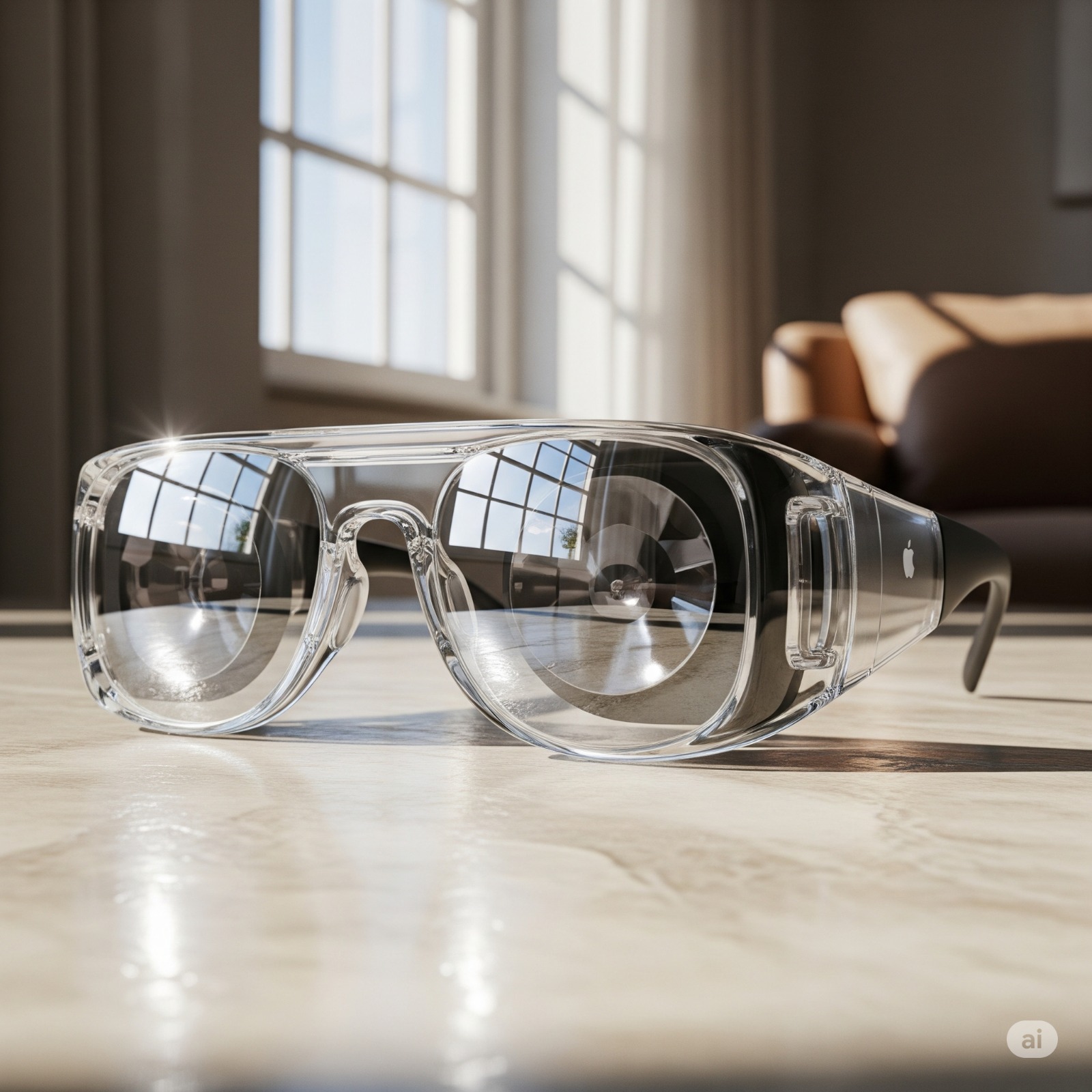
Image used for representational purposes only. (AI-generated image: Google Gemini)
Not the looks or AI capabilities — it’s the ecosystem that could set Apple’s first smart glasses apart from others on the market and help Cupertino successfully break into the glasses space.
This may sound like an exaggeration, but Apple still has the best ecosystem. It’s the one factor that not only keeps people loyal to the brand but also demonstrates how seamlessly Apple products work together. That could be the key advantage, giving Apple a head start in the smart glasses segment — even though it’s entering late, with Meta’s Ray-Ban glasses having already become an unexpected hit with consumers.
You’ve Read Your Free Stories For Now
Sign up and keep reading more stories that matter to you.
Apple’s first smart glasses may not be too different from Meta’s Ray-Bans — lightweight smart glasses equipped with a camera, based on a report from Bloomberg. This suggests that, for its debut in the category, Apple is taking a similar approach to Meta, which has successfully convinced consumers that smart glasses aren’t just a gimmick with no practical use.
Meta’s strategy with its Ray-Ban glasses has worked remarkably well — the company has reportedly sold over two million units, an encouraging sign for a still-nascent and largely unexplored segment. Rather than promoting the glasses as futuristic AR glasses — a technology still in the experimental phase — Meta focused on delivering a simple, functional product.
The Ray-Ban glasses allow users to take photos, record videos, and interact with AI. They are equipped with a camera, microphones, and AI tools, offering features that average consumers actually want to use — instead of incorporating augmented reality capabilities and a display, which would increase the price and potentially alienate mainstream users. Ray-Bans are sold for a starting price of $299 – no doubt a premium price but not overtly expensive.
If Apple does follow in Meta’s footsteps with its first smart glasses, which are rumoured to launch sometime next year, it would suggest that Meta got something right in how it pitched the glasses to mainstream consumers.
For now, Apple has not officially indicated whether it is working on smart glasses, but Bloomberg’s Mark Gurman believes that Cupertino’s version will include cameras, microphones, and speakers. The glasses are expected to allow users to make phone calls, control music playback, get directions, and perform live translations.
Story continues below this ad
Image used for representational purposes only. (AI-generated image: Google Gemini)
They will reportedly feature an Apple-designed in-house chip, similar to those used in the iPhone and Apple Watch, and are said to be ‘better made.’
However, to differentiate its smart glasses from existing offerings, Apple could introduce some unique tweaks and add its own spin. For example, Visual Intelligence could be a standout feature that enhances the usefulness of smart glasses. First launched in the iPhone 16 last year, the feature uses the smartphone’s camera to identify objects — similar to how Google Lens works. By integrating Visual Intelligence into the glasses, the feature could become more smart and context-aware, offering a deeper understanding of the user’s surroundings. The glasses form factor is better designed to support features like Visual Intelligence.
And, of course, Apple will likely integrate Apple Intelligence into the glasses — but it remains to be seen how effectively Cupertino can bring its existing AI features to a device that may not include a display. Apple may need to rethink which AI features work best on smart glasses, focusing on those that can take full advantage of voice interaction.
‘Apple ecosystem is the secret sauce’
Early rumours about Cupertino’s smart glasses may have shaped our expectations of what Apple’s smart glasses could offer.
Story continues below this ad
However, Apple still has a chance to win the smart glasses segment and make it mainstream — just as it once did with the iPhone, iPad, Apple Watch, and AirPods. Its secret weapon? The Apple ecosystem — something neither Meta nor Google nor Amazon truly has. The Apple ecosystem remain unmatched and how its products, be it hardware, software or service, interact with each other is something no one can replicate, even Meta.
The Apple ecosystem is centered around the iPhone, with every other product—whether it’s the Mac, Apple Watch, iPad, or Apple TV—designed to complement each other. It’s almost certain that Apple’s smart glasses will also be deeply integrated with other Apple products like the iPhone, Apple Watch, and AirPods. This suggests that the glasses will function as a new “accessory” within the Apple ecosystem, working seamlessly across devices. Pairing the glasses with the iPhone will likely be effortless, and captured content could potentially be viewed later in 3D on devices like the Apple Vision Pro. Apple has a major opportunity here to “think different” and introduce features that deliver a truly differentiated experience.
‘Give us premium smart glasses but don’t make it unaffordable’
Apple has a real chance to succeed, although pricing will be a crucial factor in gauging consumer interest in its smart glasses. Meta has set a benchmark with its Ray-Ban glasses, showing how much consumers are willing to pay for smart eye-wear. Apple can’t afford to go wrong or repeat the mistake it made with the Vision Pro mixed-reality headset, which launched at $3500.
‘Privacy still matters’
With Meta’s problematic track record on privacy — and Google not far behind — Apple stands out for its strong reputation and clear privacy policies. Unlike Meta, which is essentially an advertising company that monetises consumer data, Apple does not sell user data. This could work in Apple’s favour, especially as smart glasses are expected to feature multiple cameras and microphones. Given Meta’s history and how it has handled consumer data in the past, it’s hard to trust the company.
Anuj Bhatia is a seasoned personal technology writer at indianexpress.com with a career spanning over a decade. Active in the domain since 2011, he has established himself as a distinct voice in tech journalism, specializing in long-form narratives that bridge the gap between complex innovation and consumer lifestyle.
Experience & Career: Anuj has been a key contributor to The Indian Express since late 2016. Prior to his current tenure, he served as a Senior Tech Writer at My Mobile magazine and held a role as a reviewer and tech writer at Gizbot. His professional trajectory reflects a rigorous commitment to technology reporting, backed by a postgraduate degree from Banaras Hindu University.
Expertise & Focus Areas: Anuj’s reporting covers the spectrum of personal technology, characterized by a unique blend of modern analysis and historical context. His key focus areas include:
Core Technology: Comprehensive coverage of smartphones, personal computers, apps, and lifestyle tech.
Deep-Dive Narratives: Specializes in composing longer-form feature articles and explainers that explore the intersection of history, technology, and popular culture.
Global & Local Scope: Reports extensively on major international product launches from industry titans like Apple and Google, while simultaneously covering the ecosystem of indie and home-grown tech startups.
Niche Interests: A dedicated focus on vintage technology and retro gaming, offering readers a nostalgic yet analytical perspective on the evolution of tech.
Authoritativeness & Trust
Anuj is a trusted voice in the industry, recognized for his ability to de-jargonize trending topics and provide context to rapid technological advancements. His authority is reinforced by his on-ground presence at major international tech conferences and his nuanced approach to product reviews. By balancing coverage of the world's most valuable tech brands with emerging startups, he offers a holistic and objective view of the global technology landscape.
Find all stories by Anuj Bhatia here.
You can find Anuj on Linkedin. ... Read More