


Tags:



“So, how much do you think this phone should cost?” There is always something sinister when the founder of a handset company asks you something like this, holding a phone that has not yet been launched. He is obviously trying to gauge what the consumer would think is a good price for his new product. More often than not you can get it right, but not when the person asking the question is Rahul Sharma.
[related-post]


But that is clearly what Sharma is playing for: give his buyers the confidence that they own a phone that looks much more than they have actually paid for. That was the original Micromax USP, which the Chinese companies have usurped of late. However, this new price tag will make life tough for his competition, all of them, at least initially. They will eventually catch up, they always do.
Then you have to give it to Sharma for taking the fight to the Chinese brands. Xiaomi, the most popular Chinese name in India at the moment, launched its Mi Band in India with so much fanfare last month. The Mi Band has a killer price of Rs 999. The Yu Fit has the same price point, but then it also has a display with touch, giving it a huge advantage over the Chinese rival.
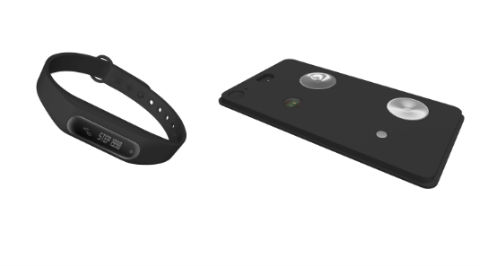
And YU is more serious than other handset makers when it comes to fitness. No wonder Micromax recently announced an investment in HealthifyMe, the only app that gives you calorie counts of Indian foods. This investment works well for YU’s plan to push more wearable health-oriented devices in the large, yet untapped, Indian market. In fact, they have announced the Health YU, a cassette-like device with sensors to quantify your vital signs including ECG, blood pressure and heart rate. The cassette yokes on to any smartphone, after which the user needs to hold it for 30 seconds for the data to be assimilated.
The accuracy of the data might be a matter of debate, even though you can share all of it with your doctor directly from the phone, but it could be have a big impact in a country like India where a single Rs 5,000 device could help an entire family keep tab of their health. It is too early to say if this product will be the panacea that can make a country like India more health aware, but there is no doubt that this is the kind of technology that we need to promote. Isn’t this how technology is supposed to change our lives?
I can visualise doctors in far away parts of India using this device, or devices like this, to get an initial idea about the vitals of a patient. The impact of something this small, this affordable could be crucial. Sharma calls it his commitment towards connected devices and a healthier India. “Nobody is trying to do these things with connected devices. We are the only Indian company that is taking this seriously,” he adds, in case we miss the point.
Sharma’s attempt seems to be to clearly take a path different from the smartphone rat race the other Indian brands seem to be caught up in. And for now it seems he has a head start.


