5 min read


© IE Online Media Services Pvt Ltd



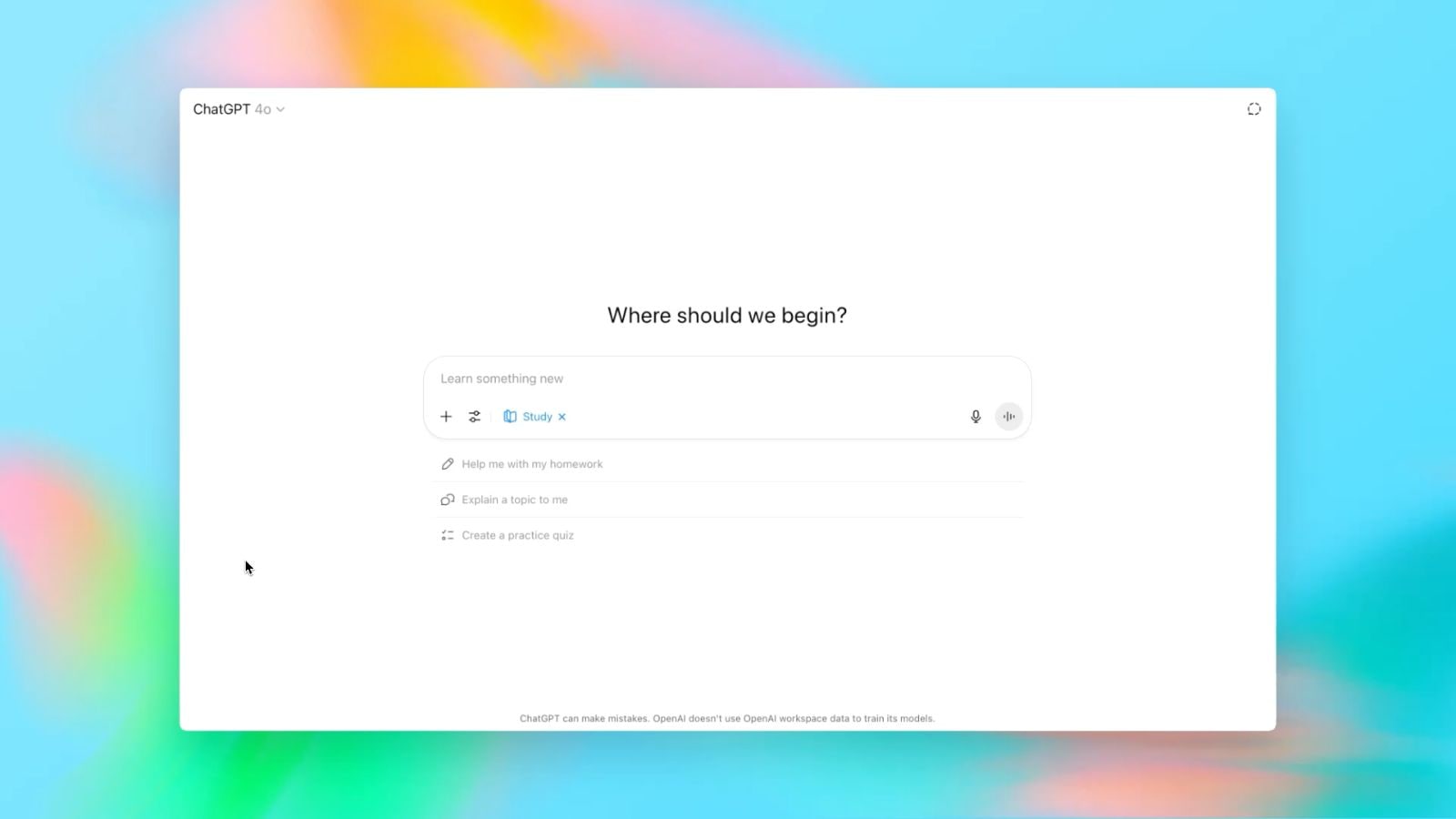 ChatGPT study mode is a step towards improving AI-driven learning. (Image: OpenAI)
OpenAI, on Tuesday, July 29, introduced ‘study mode’ in ChatGPT. The latest ChatGPT update introduces a step-by-step learning method instead of quick answers. “Study Mode is designed to shift the ChatGPT experience from just giving answers to guiding users through the process of finding an answer step-by-step,” said Leah Belsky, vice president of education at OpenAI.
Study mode is available in 11 Indian languages with multimodal support, bringing voice, image, and text together to make AI learning accessible for diverse learners. Starting today, it is available to logged-in users on Free, Plus, Pro, and Team, with availability in ChatGPT Edu rolling out in the next few weeks.
Belsky said that the feature has been extensively beta-tested by Indian students across a wide range of academic scenarios, be it everyday learning or exam preparation. According to Belsky, early testing showed strong performance, particularly on IIT-level questions. “Study mode is free and available to millions of learners across India. Its mobile-friendly design ensures students from any part of the country, whether urban or rural, can engage with it easily, making high-quality learning support widely available,” she noted.
Study mode is useful for helping with homework, test preparation, and learning new topics. To use it, one needs to select ‘Study and learn’ from the tools in ChatGPT and ask a question. “Instead of doing the work for them, study mode encourages students to think critically about their learning. Features like these are a positive step toward effective AI use for learning. Even in the AI era, the best learning still happens when students are excited about and actively engaging with the lesson material,” said Robbie Torney, senior director of AI programs at Common Sense Media.
What powers the study mode?
OpenAI has claimed that study mode is powered by its custom system instructions that have been written in collaboration with teachers, scientists, and pedagogy experts to reflect the core set of behaviours that support deeper learning. “This is just the beginning of our journey to improve learning in ChatGPT. We plan to continue improving Study Mode as we learn more about how students learn best with AI. Ultimately, every child growing up today will live in a world with powerful AI tools. Now is the time to ensure those tools support real learning outcomes and drive career success. Study Mode is a step in that direction,” said Belsky.
Study mode comes with interactive prompts that combine Socratic questioning, hints, and self-reflection prompts to promote active learning. With scaffolded responses, the study mode helps in organising information into easy-to-follow sections that highlight the key connections between topics. It also offers lessons tailored to the right level for the user, which it does based on questions that assess the skill level and memory from previous chats, along with improved memory from uploaded files. It also offers knowledge checks in the form of quizzes and open-ended questions, which are accompanied by personalised feedback to track progress. Besides, it is flexible, meaning students can easily toggle study mode on and off during a conversation.
When asked if study mode can be misused and what guardrails have been deployed to prevent misuse during exams or assignments, Belsky asserted that OpenAI has implemented robust safety measures, including those that prevent these models from producing harmful content. The tech executive said that the feature, like all other OpenAI models, underwent evaluations for safety before release.
“We see Study Mode as democratising access to high-quality tutoring and learning support across India. This is our first phase of improving learning in ChatGPT. Over time, we hope to build out more multimodal features, like image-generated responses and videos, to better personalize it for learners. In this beginning stage, the hope is to get as much feedback as we can from Indian parents, students, and academic leaders so we can continue advancing this product,” Belsky told indianexpress.com.
The new study mode is a step towards improving AI-driven learning. At present, it is powered by system instructions and allows for rapid iteration based on student feedback, despite some limitations. The company has said that with future updates, it aims to include clearer visualisations, goal tracking, personalised support based on skill level, etc. OpenAI also plans to integrate effective strategies into its core models over time.
Through its NextGenAI initiative and collaboration with Stanford’s SCALE Initiative, it is also conducting long-term research on how AI impacts learning, particularly in K–12 education. The Microsoft-backed AI startup said it believes that these findings will help shape future AI tools to better support students and educators worldwide.