5 min read


© IE Online Media Services Pvt Ltd



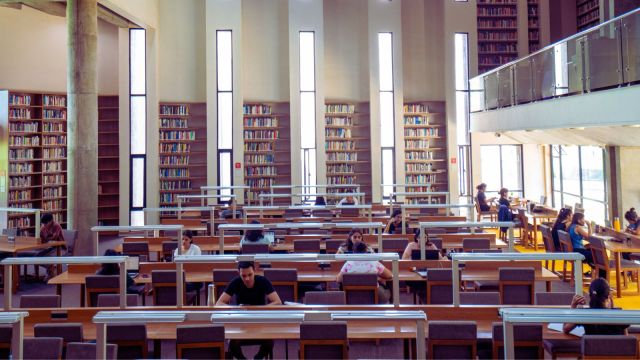 FLAME University frequently reviews its curriculum to equip its students with skills that are much sought after by employers. (Image: FLAME)
“(Generative) AI is here to stay. It’s the new internet, and we are actively integrating emerging technologies like prompt engineering and data analytics into our curriculum,” said Professor Dishan Kamdar, vice chancellor of FLAME University. At a time when AI is emerging as a key skill for professionals, Prof Kamdar asserts that his institution reviews its curriculum every four years to help students stay in tune with the rapid pace of technological innovation.
In an exclusive interaction with indianexpress.com, Kamdar discussed the significance of experiential learning, liberal and multidisciplinary education, need for AI upskilling, and how financial and digital literacy are inevitable in today’s world.
In 2024, more than ever, there is a need for the youth to hone financial and digital literacy, prompting academic institutions to take an iterative approach. “Financial literacy is not just important for 2024—it’s a lifelong skill. If everyone understood the power of compounding and applied that knowledge to their savings and investments, we would be in a very different place financially. Managing money is a critical life skill, and we teach students how to do that,” Kamdar told indianexpress.com.
On similar lines, the VC acknowledges that digital literacy has become an imperative now. According to him, students need to be familiar with tools like Excel, R, and Python, as they’ve become part of the common vocabulary in the workplace. “We focus on the holistic development of our students, emphasising functional expertise and life skills.”
Although there is hype and hysteria around AI, there seems to be a gap in skill in India as many academic institutions are yet to integrate AI into their curricula. When asked about his perspective on AI’s role in Indian universities, Kamdar said that he firmly believes in using technology to enhance student’s learning experiences and ensuring that the curriculum is “rigorous, relevant, and futuristic”.
For Indian universities to keep pace with the rapid advancements in AI, Kamdar believes they should focus on the students. “If you want your students to succeed, you must be willing to evolve.”
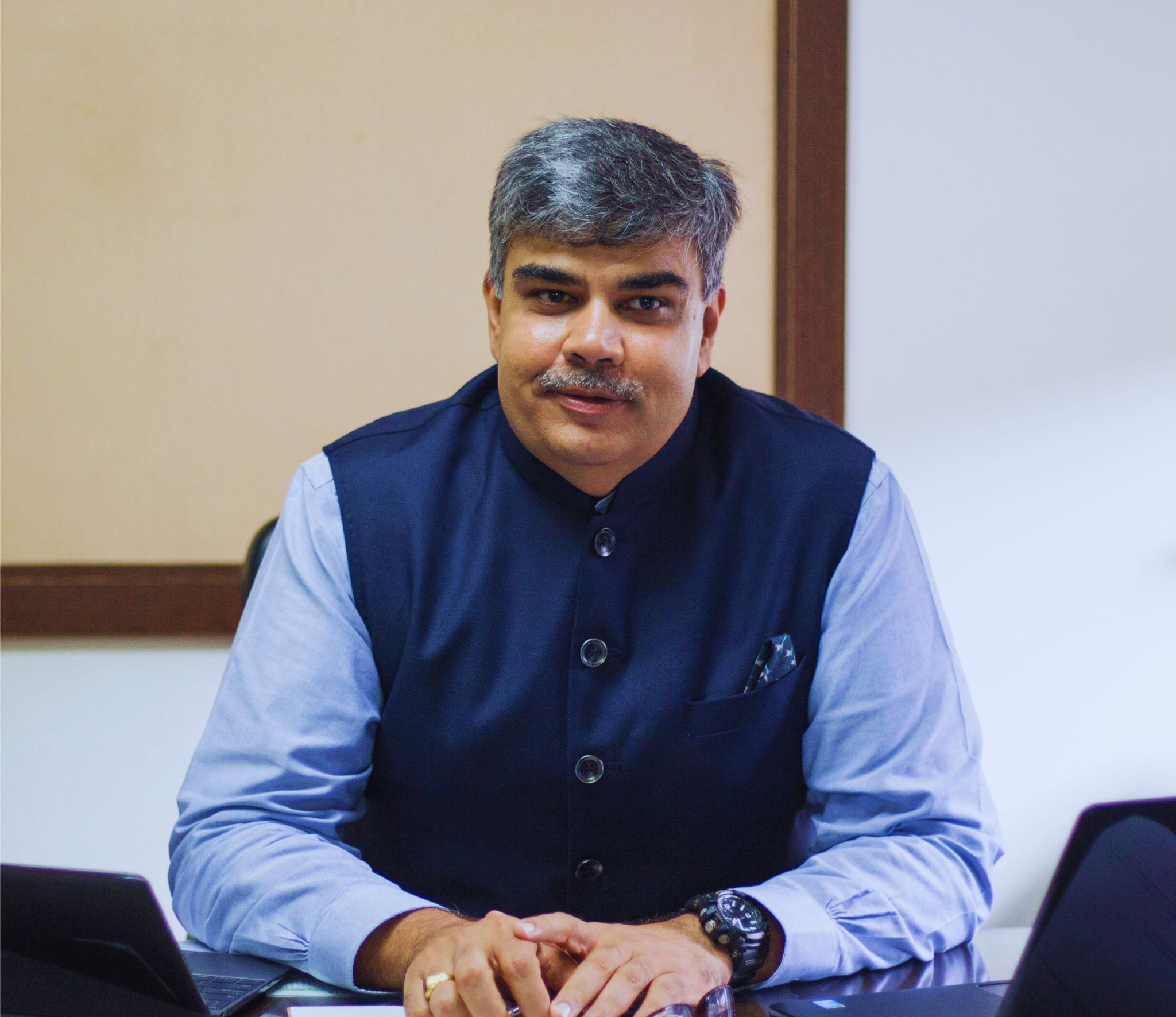 Professor Dishan Kamdar, vice chancellor of FLAME University.
FLAME University is among the academic institutions in the country that fosters experiential learning. When asked to define the university’s approach, Kamdar said that at FLAME, experiential learning is centred on the philosophy of “learning by doing”. The comprehensive approach of the university integrates hands-on projects, internships, field visits, simulations, and case studies across disciplines.
“At the end of their first year, students are required to spend 30 days in what we call the Development Activities Program (DAP), where they work with NGOs, government agencies, and other organisations to understand socio-economic challenges and interact with people from different walks of life,” he said.
On completion of these projects, the students are expected to write a reflective piece about their learnings. Similarly, in the second year, the students take part in the university’s flagship programme––Discover India Program (DIP)––designed to let students explore India’s rich cultural heritage. Kamdar enumerated that in the third year, students participate in industry immersions combining classroom learnings with practical experience.
“In the fourth year, students who opt to continue their education, work on group-based research initiatives that tackle societal, technological, or business challenges. Through these programs, we foster critical thinking and creativity among our students,” he said.
Ever since its inception, the university has been known for its liberal and multidisciplinary education model. When asked how this would benefit students in preparing for the real world, Kamdar said that the university aims to offer a “well-rounded” education that goes beyond narrow specialisations. “It allows students to explore a broad range of subjects, fostering intellectual curiosity, creativity, and adaptability—qualities that are crucial in today’s rapidly changing world,” he said.
Kamdar said that the university encourages its students to combine their majors and minors, equipping them with diverse skills that are highly valued by employers. Along with core specialisation, the curriculum offers mandatory courses in digital and financial literacy, ethics, public speaking, and sports. He said, “Our curriculum undergoes regular iterations to ensure it remains rigorous, relevant, and futuristic, both in terms of the subjects we offer and the skills required to succeed.”
When asked about the current trends in the field of Indian higher education, Kamdar shared that one of the key trends has been a shift towards student-centric learning environments where focus is on breaking down barriers between disciplines and developing lifelong skills like critical thinking, creativity, and problem-solving. “Collaborative learning is also a key part of this trend,” he said.