

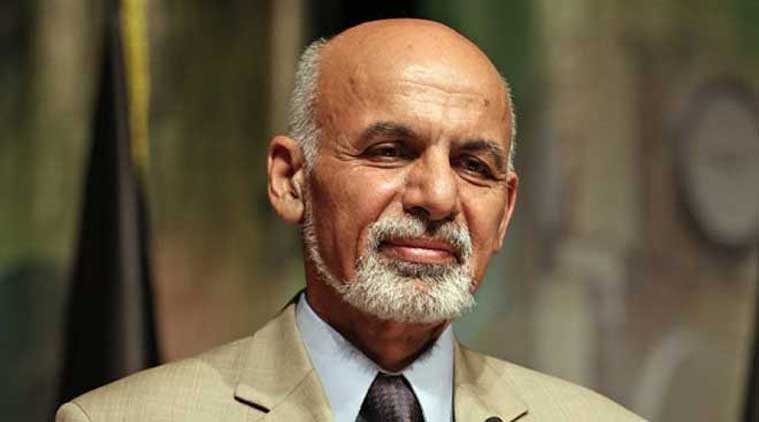
Ashraf Ghani has been president of Afghanistan for seven months and has visited the US, Pakistan and China prior to this week’s visit to India. In contrast to his predecessor, Hamid Karzai, he has reached out to Pakistan to help negotiate a settlement with the Taliban. He has also reciprocated China’s advances aimed at playing a bigger role in the fragile Afghan peace process and towards investing in the economy of the strife-torn country. This has left India marginalised in the developing situation in that country, with proposals of a strategic partnership with Afghanistan during Karzai’s stint now being moved to a backburner. Karzai had, in fact, requested India in 2013 to provide military equipment, including helicopters, field guns and battle tanks. The UPA government dragged its feet and eventually Ghani withdrew the requests.
The first top-level meeting between the leaders of the two countries since the change of government in both capitals provides the BJP government an opportunity to reshape its Afghan policy, according to the evolving situation. India will be handing over three light helicopters to Afghanistan during Ghani’s visit. This sends the signal that India is ready to provide more military equipment to Afghanistan, even if it is only of the non-lethal kind. Another major item on the agenda has to be the final approval of a transit agreement involving India, Afghanistan and Iran using Chabahar, an Iranian port developed with Indian help. This provides India more reliable access to landlocked Afghanistan — and on to Central Asia — in comparison to the one through Pakistan. With Iran having signed the P5+1 deal, it is important India clinches this transit agreement during Ghani’s visit.


