
Opinion On political track
Finding a blueprint for railway restructuring and reform is not the problem. Finding the political will to implement it is.
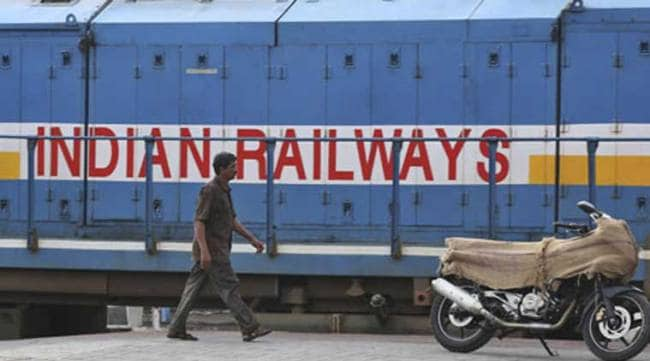 RRB JE exam 2015 results declared: The exam was conducted from August 26 to September 3.

Over the last few decades, India has had no shortage of sage advice from official committees on how to restructure and revitalise the Indian Railways. After the Prakash Tandon, Rakesh Mohan and Anil Kakodkar committees, we now have another report from a panel headed by economist and member, Niti Aayog, Bibek Debroy. It talks about a railway regulatory authority — a prerequisite for the restructuring of the railways — allowing more open participation of private players in operating both passenger and freight services, and the phasing out of the rail budget. In its interim report, the committee had listed steps such as allowing private participation in freight services, forming a special purpose vehicle for its scattered production units, a separate track holding company and the decentralisation of operations, besides recasting of accounts. Some of these recommendations are eminently sensible — like, for instance, the need for organisational consolidation within, greater delegation of powers, especially at the level of the divisional managers, and realistic pricing of fares and greater leeway to private players.
But years of neglect have meant that the railways is unable to invest in upgrading infrastructure to boost safety standards, meet demand and offer better services to the more commercial segment of its passengers, which is migrating to other modes of transportation. That’s because 94 per cent of its revenues are spent on operating costs. And the economic slowdown of the last couple of years has meant a decline in both passenger and freight traffic growth. The good thing is that the government has recognised early on the need to put the railways back on track, as seen in the appointment of Suresh Prabhu and his attempts to set its finances right. Prabhu is reaching out to investors, lenders and overseas agencies who are keen on investing in India’s infrastructure and have deep pockets and, more importantly, are willing to wait it out to realise returns on their investment. But all that will be contingent on demonstrable changes in a monolithic organisation. This will mean charting out a plan to run the railways on more commercial lines, dismantling of the present organisational structure marked by a powerful railway board, which should ideally be a policymaking arm rather than one that gets into micro-management, and creating track capacity, which will allow more trains to be run, including by private players. For that, the government should focus more on executing the dedicated freight corridor.

The minister is now engaging more with state governments to get them on board for investments in new projects. At the end of the day, it is not that the railways or the government is short of solutions. Political will is needed to bring about much-needed reforms. Prabhu and his boss, the prime minister, need to remember that seminal changes in the railways were brought about not by entrenched railway bureaucrats, but by political leaders who headed this ministry in the past.
 Share
Share


