

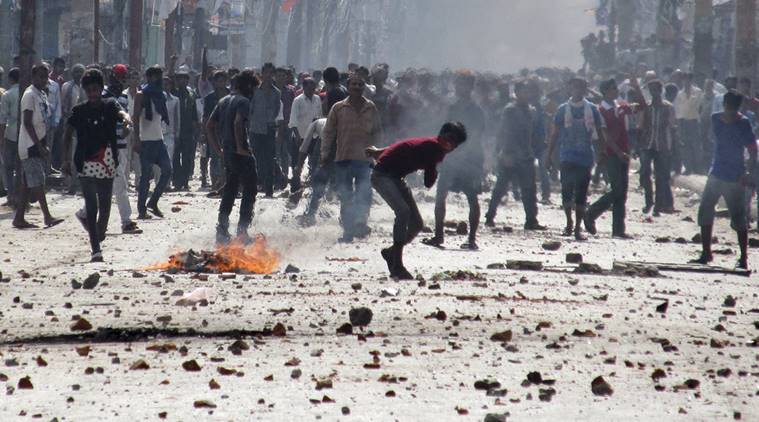
Nepal’s government agreed on Monday to amend its new constitution, in the hope of meeting the demands of protesters in the country’s plains who have blockaded its border with India for more than three months, setting off violence that has claimed over 50 lives. The proposals appear to meet the two core demands of Nepal’s Madhesi parties — granting population-based proportional representation in government and changes in constituency delimitation. New Delhi has endorsed the proposals, calling them “positive steps” towards ending a crisis that has crippled the country’s economy and left its people reeling under shortages in the midst of the harsh winter. The Indian ministry of external affairs urged “all Nepali political forces to now demonstrate the necessary maturity and flexibility to find a satisfactory solution”, a message that appeared to be directed at the Madhesi parties. However, the Madhesi parties have rejected the government’s offer, saying the amendments are vaguely worded and don’t go far enough towards meeting their demands.
For Delhi, the looming impasse offers a real opportunity to undo the bitterness created by policies many in Nepal — correctly or otherwise — see as partisan Indian interference. Linked by ethnicity and kinship to Bihar, the Madhesis enjoyed considerable support from the Indian government when their agitation began in September. It seemed that the BJP saw backing them as a means to enhancing its electoral prospects in Bihar; India was accused of colluding with the protesters to aid the blockade, which inflicted great hardships on the hills. That same influence should now be used to ensure the Madhesi parties work with the government to resolve the situation, rather than perpetuate the stand-off. This would provide the Nepal government an incentive to continue with accommodation, and discourage maximalist posturing by Madhesi leaders and parties.


