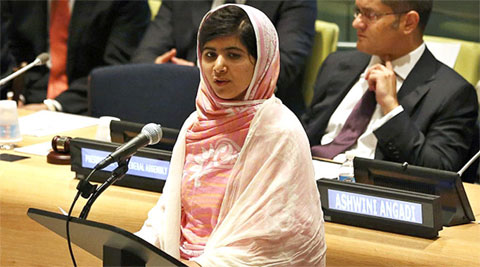

Three years after the Pakistani Taliban tried to kill Malala Yusufzai, the Swat teenager who lived to tell the tale and went on to win the Nobel peace prize, the conviction of and death sentence to 10 alleged militants for the attack comes as some reassurance. An anti-terror court heard the case after the 10 were arrested in September 2014. Going by the glacial pace at which Pakistan’s judicial system moves (and in this sense, not too differently from India’s), this is a record, even for a special court. Let alone the Mumbai terror attacks case, which has seen no progress since 2009, when it began in Pakistan, even the hearings in the Benazir Bhutto assassination case have gone nowhere, six years and five judges later. In the March 2009 attack on the Sri Lankan cricket team in Lahore, six suspects were arrested, but nothing is known about the case against them. There are countless other attacks where cases against the suspects, if they have been arrested, are languishing.
Some of the speed in the Malala case could be attributed, perhaps, to the extraordinary international attention the attack got, her survival against medical odds, her subsequent activism on the world stage for girls’ education in her country. The few details that emerged about the case as it was being conducted and the security provided to the judge speak of the arduous efforts required to complete this trial. However, none of the 10 men convicted is a mastermind of the attack. Those who took the decision that Malala should be eliminated are still free. They have killed many others since, including over 100 children inside a school in Peshawar, not far from Swat.


