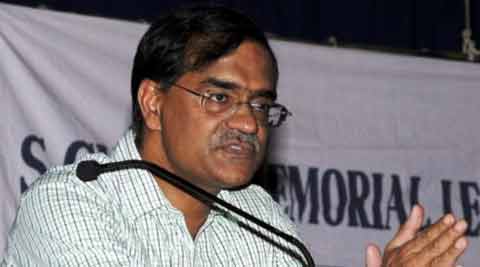

The exit of Mahesh Rangarajan as director of the Nehru Memorial Museum and Library (NMML) raises uncomfortable questions about the government’s role in appointments at the highest level in institutions that have been central to the intellectual life of the nation. The loudest question is: Why now? If the minister for culture finds the permanent appointment of Rangarajan by the previous regime “unethical and illegal” today, it must have been just as questionable when the Narendra Modi government took office in May 2014. If it chose to retain Rangarajan while believing that the process of his selection was improper, that choice was equally improper. Due process is at the heart of the controversy surrounding Rangarajan, who offered to resign last week and has now demitted office. Institutions are equipped with a governing apparatus of their own, usually comprising specialist professionals who make up an executive body, which enjoys the benign guidance of an advisory board. Is it proper for governments to bypass this apparatus — which has the domain expertise and processes to appoint its own head — and hire and fire at will, selecting favourites to promote their agendas or propagate their worldview? Even if the UPA government foisted its chosen person in NMML as alleged, that does not justify an NDA government committing the same offence.
Rangarajan’s name is the latest in a long list of intellectual martyrs who have ceded office to the Modi government’s appointees. The Malayalam author Sethu was replaced at the National Book Trust by the former editor of the RSS mouthpiece. IIT Delhi director Raghunath K. Shevgaonkar and Anil Kakodkar, chairman of the board of governors of IIT Bombay, were practically forced to tender their resignations. And the new head of the Indian Council of Historical Research is not exactly revered by his peers. Even if the government chooses the extreme step of forcing changes at the top, it must do so by due process.


