


Tags:


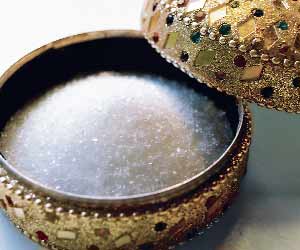
I am often asked if consuming a certain amount of sugar is essential. During digestion in the body,all carbohydrates including starches like cereals,bread,roti,rice,pulses,fruits and potatoes breakdown into sugars. The body uses these sugars for energy.
Sugar,a type of carbohydrate can be used in moderation by most healthy active people but must be used sparingly by weight watchers,those with abdominal obesity,diabetes,dyslipidemia abnormal cholesterol levels and inactive people. In addition to limiting caloric intake,avoiding or restricting sugars can promote better digestion,enhance energy,immunity and prevent tooth decay.
If you have started a sugar-free diet,whether due to medical or personal reasons,you need to get sugar-wise. Dont get fooled by taste or appearances and claims on food labels. There is plenty of sugar in disguise which you may not account for. Most foods contain either processed or natural sugars,even if they do not taste particularly sweet.

Here are some tips to make your transition to a sugar-free diet much easier:
1. Go slow. If you currently eat a lot of sugar,it can be hard to stop eating it all of a sudden and you may feel irritable and low. So,cut down your sugar consumption slowly over a few weeks.
2. Read labels. Did you know that most no-fat and low-fat items are loaded with sugar? This is how they get flavour. Labels are confusing to read at first,learning to look at the nutritional value can help you make healthier choices.
3. Decode the word sugar. A product labelled as sugar-free doesnt mean it doesnt have some form of sugar in it. These words describe various forms of sugarhoney,jaggery,molasses,barley malt,brown sugar,cane sugar,corn sweetener,corn or agave syrup,sucrose,lactose,fructose,glucose,dextrose,maltose,galactose,grape sugar,mannitol,sorghum syrup and maple syrup.
4. Watch what you drink,not just what you eat. Drinks,including fruit juices,are often loaded with sugar. Most people avoid soft drinks but arent mindful of the amount of sugar in your tea,coffee,shakes and juices as well. Also,keep in mind that sweetened wines,beer,liquors and mixed alcoholic drinks add to sugar calories indirectly as well.
5. Make your own foods. Processed foods contain preservatives and massive amounts of sugar to prolong shelf life and enhance taste. Buy fresh ingredients to prepare snacks and meals. Use recipes that use sugar substitutes instead of granulated,powdered or brown sugar. For example,fresh fruit purees and dried fruits help cut on sugar in cakes and desserts.
6. Limit refined carbohydrates. Carb-rich white breads and pastas dont taste sweet,but they are forms of sugar. Choose healthy carbohydrates instead,like fibre-rich pulses and whole grains. Your diet should give you adequate proteins,coloured and green vegetables and good fats from nuts and seeds to minimise sugar cravings effectively.
7. Nourish your body adequately. Sugar cravings often result from lack of nutrients like proteins,good fats,B-vitamins,magnesium,chromium and zinc.
8. Talk to your doctor. If you are diabetic or have another medical reason for wanting to cut the sugar,you should not suddenly switch to a drastic diet to avoid all sugars. Your doctor or a professional nutritionist can give you a sugar-free plan that will suit your lifestyle.


