


Tags:


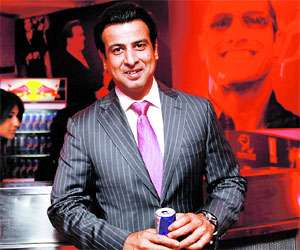
The Federation of Western India Cine Employees move to make it mandatory for everyone in the TV industry to follow a 12-hour shooting norm has been welcomed by actors. But quality and quantity remain a concern for producers.
In the early 80s and 90s when weeklies ruled the roost,nine-hour shifts,which included an hour of lunch break,was a norm. At times,the shift was extended to 12 hours when required,but not beyond. However,a decade ago when dailies started,nine-hour shifts went for a toss. As working hours increased beyond the permissible 12-hour limit,the quantity of work increased but the quality suffered. Thats not all physical burnout,mental stress,pressures to meet the deadline and actors collapsing on the sets became quite common. Acting on complaints of actors and technicians,the Federation of Western India Cine Employees FWICE,which arbitrates and decides on wages,working hours and work conditions,initially resorted to disrupting and stopping shooting that went beyond 12 hours. But when it didnt yield any positive result,two months ago,FWICE made it mandatory for all its member associations,including producers,to strictly follow a 12-hour shooting norm.


Welcoming the new work schedule,lead protagonist of Gulaal,Manasi Parekh,says that its a good beginning. It is good for actors and technicians. My health had gone for a toss when I had to work for more than 20 hours without a break, she informs. So feels Ronit Roy,Its insane to work day and night. But more than actors,its a big relief for ordinary technicians who use public transport to reach home, he points out. While the 12-hour shift is a big relief for overworked actors,quality and quantity are still a big concern for producers. It is conducive to a good working atmosphere. But quality work happens only when there is good writing and equally good execution, feels Ronit.
Producer Pintoo Guha of Uttaran and Dil Se Diya Vachan also sounds circumspect. He explains,Its a good way forward. But television has grown so much within a short duration that it will take some time to get organised. When you have only dailies at prime-time on all channels,its really going to be difficult to meet the demand for so much quality software in a 12-hour shift, he says. Producer Asit Modi of Taarak Mehta Ka Ooltah Chashmah,Krishnaben Khakrawala and Pyar Mein Twist couldnt agree more. Its not easy to deliver 22 episodes in a month unless people work really hard. Discipline and punctuality will also help a lot. But its not going to be easy to maintain a balance between quantity and quality, he opines.
According to Sanjay Upadhyay,director,ex-channel programmer and currently creative head of Sphere Origin that produces Balika Vadhu and Gulaal,there is lack of freedom and coordination between channels and creative people. There is a co-relation between quality work and working hours. But it has no meaning if channels dont have faith in writers and technicians. If every script and dialogue sheet needs approval from channels,then quality output in 12 hours is going to be difficult, he adds.
But actor Hiten Tejwani is of the view that discipline will eventually result in better quality. When you know that you cant extend a shoot beyond 12 hours without a valid reason,people will be more serious about their work, he feels. However,it is easier said than done. There is a mismatch between demand for high drama and working hours because the dramatic pitching of fiction is so high that it takes much longer to shoot every scene. Unless we learn and follow the science of making a daily from the West in terms of having multiple seasons and multi-camera set-ups,things will continue as they are, warns Sanjay.


