4 min read

Journalism of Courage




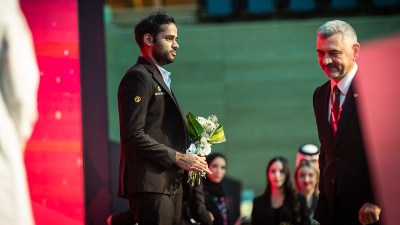
Now that the bus to Lahore is to run again and prospects for Indo-Pak ties have brightened, it8217;s interesting to look back on the recent visit to Mumbai of four Pakistani MPs. Snatches of conversations with them indicate just how much ignorance characterises common perceptions each has about the other.
There was, for instance, that moment when impassioned speeches about friendship had just got over and the hall was suffused with warmth. Then someone from the audience asked the four MPs a question: 8216;8216;Just as minorities here have special position, can we hope that minorities in Pakistan are also given a special status?8217;8217;
A moment of silence followed the question, before Sardar Mazari from Sind8212;the leader of the delegation8212;began explaining that a special fund existed for minority places of worship, and that in the last election, the old pattern of separate electorates had been done away with.
Most people did not catch the name of the person who had asked the question: Mansur Bailim. And this wasn8217;t the only tough question posed to the visiting Pakistanis by Mumbai8217;s Muslims. 8220;All our wars have taken place when Pakistan was under military rule. Can we trust the present military ruler when he talks of peace?8221; was a question posed by Farid Batatawala. These weren8217;t BJP plants. These were ordinary Gujarati-speaking businessmen, deeply rooted in Mumbai, whose only motive was a genuine desire to know.
What was intriguing that for the visitors the term 8220;Indian Muslims8221; did not conjure up the image of Muslims living in India but rather Muslims in Pakistan who had originally come from India! Exclaimed one MP: 8220;Yaar, we have given you people the highest post in our country. Three of our rulers have been from among you people. We have handed over our richest city, Karachi, to you! What more can we do?8221; And this was not said in jest.
Indian Muslims would think twice before mentioning 8220;fanatic mullahs8221; to an Indian journalist, let alone one from across the border. And few would have the confidence to wipe off, in front of a journalist, the ceremonious red tilak with which their foreheads had been adorned at Maharashtra Deputy Chief Minister Chhagan Bhujbal8217;s lunch.
But then it struck you that Pakistani Muslims were the majority in their land and could as easily condemn their own fanatics publicly as they could reject the cultural symbols that were not part of their ethos. Simultaneously came the sad realisation that the tilak had once been as much a part of that region8217;s ethos as ours.
And it wasn8217;t just the tilak that had been cast off. Asked if they also looked on Mohenjo-daro as the cradle of their civilisation as we did, Mazari replied, 8220;Well, for us it8217;s an archaeological site. You people think more about history. Maybe for us it8217;s a case of ghar ki murgi, daal barabar.8221;
More seriously, he revealed that while he was in school, that is, till 20 years after the formation of Pakistan, schoolchildren not only learnt that their country was once ruled by Chandragupta Maurya and Ashok, but also knew the story of Ram. 8220;It was after Zia that all the wrong changes began taking place. If you distort history, you distort your own identity.8221;