5 min read

Journalism of Courage




A thick green carpet is the first sight that greets visitors to the Pashan lake situated near Bavdhan. A little ahead, a layer of yellowing moss floats on the stagnant water. A kingfisher treads the moss gingerly in a vain search for feed through the plant growth. The Pashan lake, under the Pune Municipal Corporation8217;s jurisdiction, was once a source for drinking water for almost a century. It was also the destination of several exotic species of Asian migratory birds. Today, it faces a threat to its very survival as a precious fresh water source.
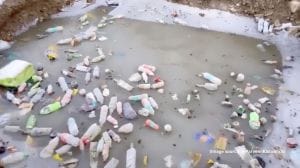
A variety of reasons have culminated in reducing this natural resource into a shallow body of stagnant water. The primary cause of concern is the thick and rapid growth of the ipomea weed which has invaded the lake in several places. The weed is known to spread easily once it has taken root and prohibits the growth of other plants. Following human settlement near the lake, sewage pipelines dump waste water into this lake polluting the water.
That8217;s not all. Regular washing of trucks in the area contributes its share to the pollution by adding oil and petrol to the sewage. Says fisherman Jaisingh Pardeshi, 8220;The whole lake is in a state of decay. Earlier, we used to get a substantial catch in the lake. But now, the fish hide in the thick weeds which have covered the whole area. The birds too have reduced in number. Every Sunday, about two dozen trucks line up at a time to be washed. So, petrol and oil are washed off the trucks and into the lake.8221;
While the lake, as a fresh water resource, had to be abandoned, the World Wildlife Fund has also found that the number of migratory birds, the very reason that the PMC has named the area, Vasantrao Naik Pakshi Abhayaranya, is reducing. Says Anita Deshpande of the WWF, 8220;The rapid growth of ipomea weeds, the water pollution, deforestation of the neighbouring hills and lack of trees in the area resulting in soil erosion and the noisy Dehu Road-Katraj bypass are all factors leading to the reduction in the number of birds in the area. This lake is home to a diverse variety of birds. The little egret, grey heron, purple moorhen and the red-wattled lapwing come during the winter months. We need to restore the lake not only to support the bird population here but the lake can become a precious water source. Bootlegging is another activity that is rampant in the area,8221; she adds.
In fact, as she points out, the former municipal commissioner Arun Bhatia in a budgetary proposal made this year to the PMC had cited the importance of the lake as a fresh water source to 40,000 people where the per capita cost of providing water would be Rs. 250 as compared with the usual per capita in a new scheme of Rs. 1,500.
While the PMC has been clearing the lake of the weed on a regular basis, what the lake requires is dredging and desilting. 8220;We have prepared a plan for dredging and desilting the lake. This project, which will involve the water and drainage department of the PMC, will also include diverting the sewage coming into the lake,8221; says Yeshwant Khaire, garden superintendent. Realising its urgency the WWF has been involved in a project to save the lake from the environmental threat posed to it. The objectives of the plan are to revert the area to its original state as a major migratory route of Asian birds, to restore the lake as a fresh water source, to develop the lake as an environmental education centre for research projects and nature clubs by school children.
Says Deshpande, 8220;The proposed action plan has three components which will cover plantation, nature clubs contributing the educational component with ornithological observation and research projects to assess water quality and to facilitate sludge removal all through local participation. The PMC has already granted us space at two plots along the lake where 1000 saplings of indigenous plants like the babul, banyan and karanj will be planted. The total cost of the plantation has been estimated as Rs 1, 75,000 and that of the entire project as Rs 3,00,000. The WWF has approached corporate bodies to garner funds,8221; she says.
Surely, the restoration of this lake is a subject of immediate concern and requires the participation of citizens. Anybody listening?