


📣 For more lifestyle news, click here to join our WhatsApp Channel and also follow us on Instagram
© IE Online Media Services Pvt Ltd
Tags:



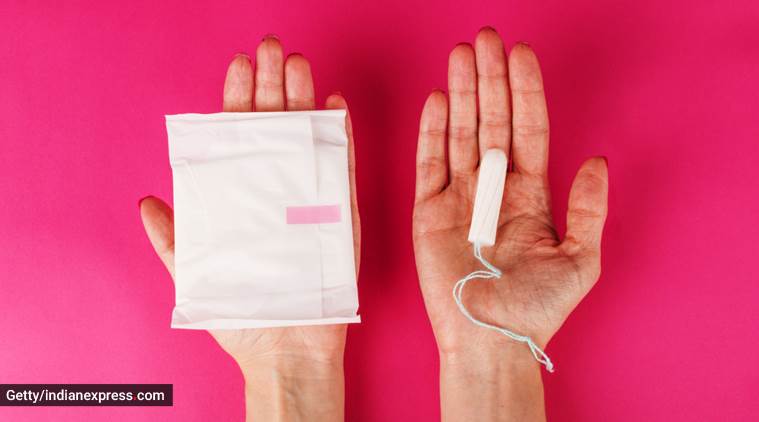
Many people prefer tampons to sanitary pads, because they find it more convenient and comfortable, without having to deal with rashes that accompany pads, especially when they are worn for a long period of time.
What are tampons?


It can be pulled out with the help of a string that is attached to it.
She demonstrated in the video how the menstrual blood collects in the uterus and is passed into the vaginal canal, after which it comes out of the vagina. The way a tampon works is that it can be inserted into the vagina and made to collect all the blood, much like a menstrual cup.
Things to keep in mind while using a tampon
“Please do not use the super-absorbent ones; they are linked with a deadly infection called ‘toxic shock syndrome‘,” the doctor warned.
Healthline defines toxic shock syndrome (TSS) as a “rare but serious medical condition caused by a bacterial infection”. It can be caused when the “bacterium Staphylococcus aureus gets into the bloodstream and produces toxins”. Symptoms may appear suddenly, and in most cases, may include: sudden fever, headache, low blood pressure, muscle ache, confusion, nausea, diarrhea, vomiting, among others.
Dr Tanaya added that it is imperative to change a tampon every 6-8 hours.
📣 For more lifestyle news, follow us on Instagram | Twitter | Facebook and don’t miss out on the latest updates!


