4 min read
📣 For more lifestyle news, click here to join our WhatsApp Channel and also follow us on Instagram
© IE Online Media Services Pvt Ltd



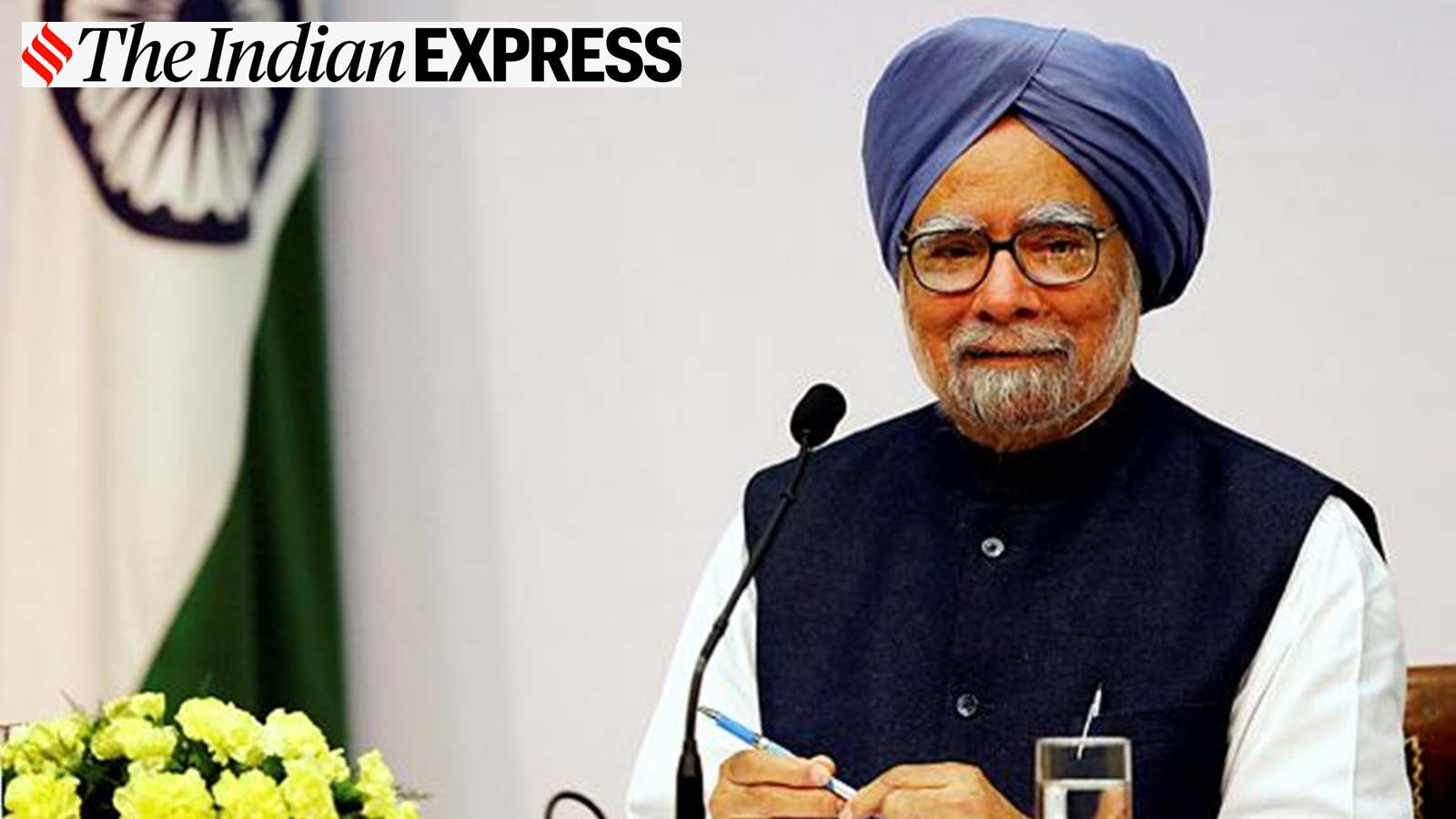 Manmohan Singh underwent a complex redo cardiac surgery involving five bypasses (Source: Express Archives)
Former Prime Minister Manmohan Singh, who passed away on Thursday at the age of 92, leaves behind a profound legacy of leadership, intellect, and resilience. Known as the architect of India’s economic reforms in the early 1990s, Singh’s contributions to the nation transcended his role as a politician and economist.
His life was also a testament to strength and determination, particularly in the face of health challenges. In 2009, Singh underwent a complex redo cardiac surgery involving five bypasses. He had also undergone a bypass surgery earlier in 1990 and a stenting procedure in 2004.
Redo cardiac surgeries, performed on individuals who have previously undergone heart procedures, require specialised techniques and expertise due to complications after initial surgery.
Dr Prateek Chaudhary, senior consultant, Interventional Cardiology at Asian Institute of Medical Sciences, tells indianexpress.com, “Redo cardiac surgeries are required when the disease activity progresses rapidly, often due to uncontrolled risk factors such as diabetes and hypertension or drug non-compliance. These factors can lead to the worsening of existing conditions, necessitating another surgery. Additionally, graft failures, particularly at the site where grafts join native arteries, can cause symptoms requiring intervention. Other conditions, such as valve dysfunction following a prior bypass surgery, may also necessitate reopening the chest for repair.”
Symptoms that signal the need for a redo surgery include shortness of breath, chest pain during exertion, palpitations, or sweating, he adds. Regular follow-ups with the treating doctor are critical to detecting these abnormalities early and determining if a surgical intervention is required.
Dr Chaudhary notes, “Redo surgeries are inherently more challenging due to the presence of adhesions formed during the healing process from the previous surgery. These adhesions make the procedure riskier and increase the chances of complications, such as bleeding.”
 Advanced tools and techniques, such as IABPs and improved stenting options, reduce the invasiveness of procedures when possible. (Source: Freepik)
However, advancements in medical science have significantly improved outcomes:
These innovations, the doctor states, combined with meticulous surgical techniques, have made redo procedures safer and more effective.
According to Dr Chaudhary, redo surgeries carry higher risks compared to first-time procedures, primarily due to:
To manage these risks, he says, surgeons take several precautions:
DISCLAIMER: This article is based on information from the public domain and/or the experts we spoke to. Always consult your health practitioner before starting any routine.