Journalism of Courage
 4 min read


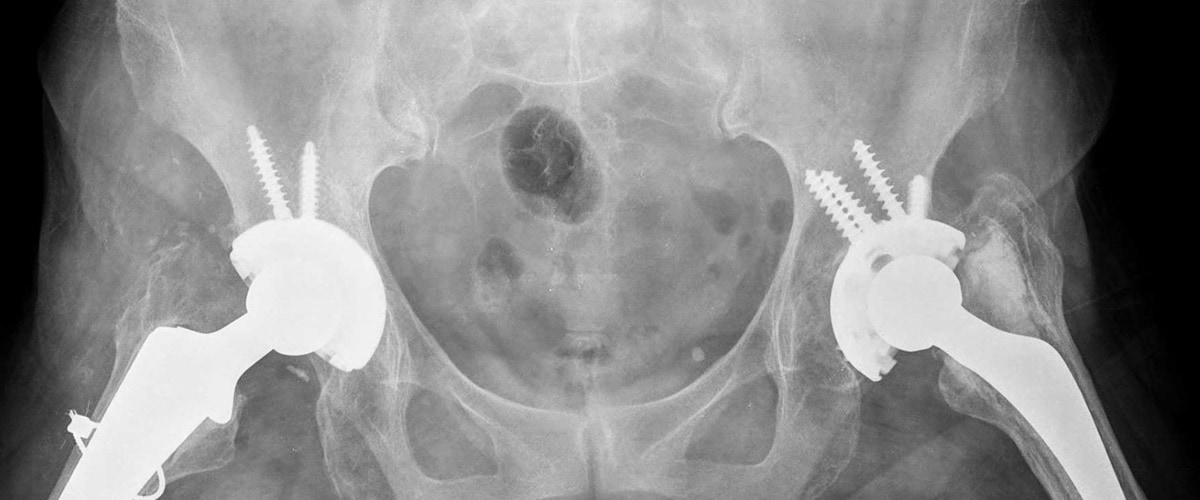 Hip replacement surgery X-Ray (Image source-John Hopkins University)
By Akhilesh Yadav
Until a few years ago, people had to stay in hospitals for more than a couple of weeks after a hip replacement surgery. They would become dependent on other people as well as walkers to learn to use their legs again. Rehabilitation centres played an important role in the recovery process but with recent advancements, a patient can get discharged from the hospital in a couple of days or even sooner depending on their condition.
Since joint replacement surgery is considered to be one of the most major and complex procedures performed, it is not recommended for people who experience moderate pain and is only recommended for people experiencing functional disabilities. Recent advancements have made these surgeries easier with less recovery time and better pain control.
WHEN DO YOU NEED A HIP REPLACEMENT SURGERY?
A patient may require hip replacement surgery for several reasons. Some of the common causes of a patient experiencing hip pain can be osteoarthritis, rheumatoid arthritis, post-traumatic arthritis, osteonecrosis and childhood hip disease. Hip replacement surgery generally takes an hour or two where the surgeon removes the patient’s damaged bone and cartilage and replaces it with prosthetic components. Before the surgery is advised, experts will need to vet your medical history, X-rays, conduct physical examination and other tests like MRI.
INTERVENTIONS ARE MINIMALLY INVASIVE
In the past, these joint replacement surgeries were done with the help of GA (General Anaesthesia) but nowadays with minimal invasive techniques, doctors have started using Epidural or Spinal Anaesthesia which has made a huge difference in the recovery time of the patient. Smaller incisions avoid damaging muscles and help in quicker recovery. The operative time has also been reduced from long surgeries to shorter ones because longer surgeries result in soreness and blood loss.
YOUNG ADULTS AT RISK
Nowadays, hip pain because of arthritis has become a major problem among young adults, especially women in their 40s and 50s. There are mainly five types of arthritis that can affect the hip joint. These are: Osteoarthritis, Rheumatoid arthritis, Systemic lupus erythematosus and Psoriatic arthritis.
Non-Surgical treatment for arthritis of the hip may include: Anti-inflammatory medications, Corticosteroids, injections to block the inflammation in the joint, physiotherapy or exercise programmes to improve flexibility and muscle strength. Swimming is an excellent exercise for arthritis. Weight reduction is advised in case of overweight patients and devices such as canes/walkers make it easier to walk.
HOW TO CONTROL POST-SURGERY BLEEDING
Previously, joint hip replacement patients had to get a blood transfusion after the surgery due to the excessive blood loss which meant longer stay at the hospital but with the help of a medication called Tranexamic Acid, which reduces bleeding, fewer patients require a blood transfusion which means less swelling or post-surgical pain. TXA has been regarded as the biggest advancement in orthopaedics in the last decade or so. Patients are typically a little slow and stiff in the first three weeks after the operation and are around 90 per cent recovered after 12 weeks.
The advancements have allowed the surgeons to choose from a wide array of hip replacement components. This means the replacement joint could be a combination of metal, plastic or ceramic. A metal ball with a plastic socket or a ceramic ball along with a plastic socket are two of the most common approaches followed in these approaches. A newly introduced plastic for artificial joints called the “highly cross-linked polyethylene” helps extend the life of the implants and reduces the risk of having a weakened or fractured bone for up to 10 years.