4 min read
📣 For more lifestyle news, click here to join our WhatsApp Channel and also follow us on Instagram
© IE Online Media Services Pvt Ltd



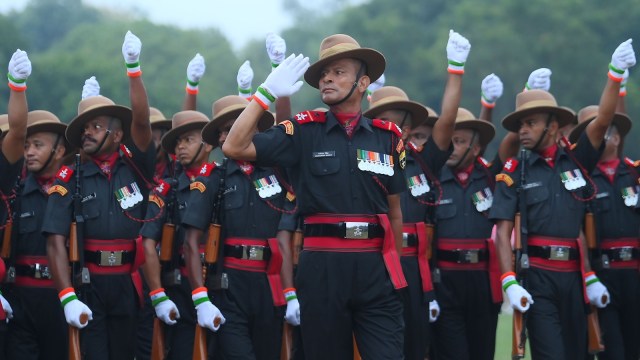 What is the Physical Proficiency Test of the Indian Army (Express photo by Abhisek Saha)
Do you ever watch soldiers from the armed forces — in real life or in movies — and admire their strength and endurance? Maybe you also secretly crave that kind of physical prowess, but the thought of a military career seems a bit too intense. Well, guess what? The core elements that make soldiers physically fit are attainable by anyone, even regular folks like you and me who simply appreciate being healthy and strong.
Known for their physical prowess, Indian Army soldiers face a rigorous selection process, with the Physical Proficiency Test (PPT) being a crucial hurdle. The test might seem daunting at first glance, but its components – running, push-ups, and sit-ups – are actually the building blocks of a well-rounded fitness routine.
If you’re looking to challenge yourself with a new fitness routine, PPT makes for the perfect one, especially to achieve that soldier-like resilience you’ve always admired. Let’s get started!
Dr Sanesh Tuteja, consultant — arthroscopy and sports medicine, Fortis Hospital, Mulund, explained that the test is a comprehensive evaluation of the candidates’ overall physical capabilities.
The test benchmarks the candidate against some of the fittest individuals in the country. The various aspects of the test aim to target different aspects of fitness:
2.4 km Run: Develops cardiovascular fitness, endurance, and stamina, and enhances lung capacity. Additionally, running is one of the best forms of exercise to burn calories and get lean.
5m Shuttle and 100-metre Sprint: Improves athleticism by enhancing speed, power, and strength, especially in the lower limbs.
Push-ups and Chin-ups: Strengthens upper body muscle groups like chest, shoulders, upper back, and arms.
Sit-ups: Strengthens core muscles, especially the abdominal muscles, and helps improve posture, balance, and stability.
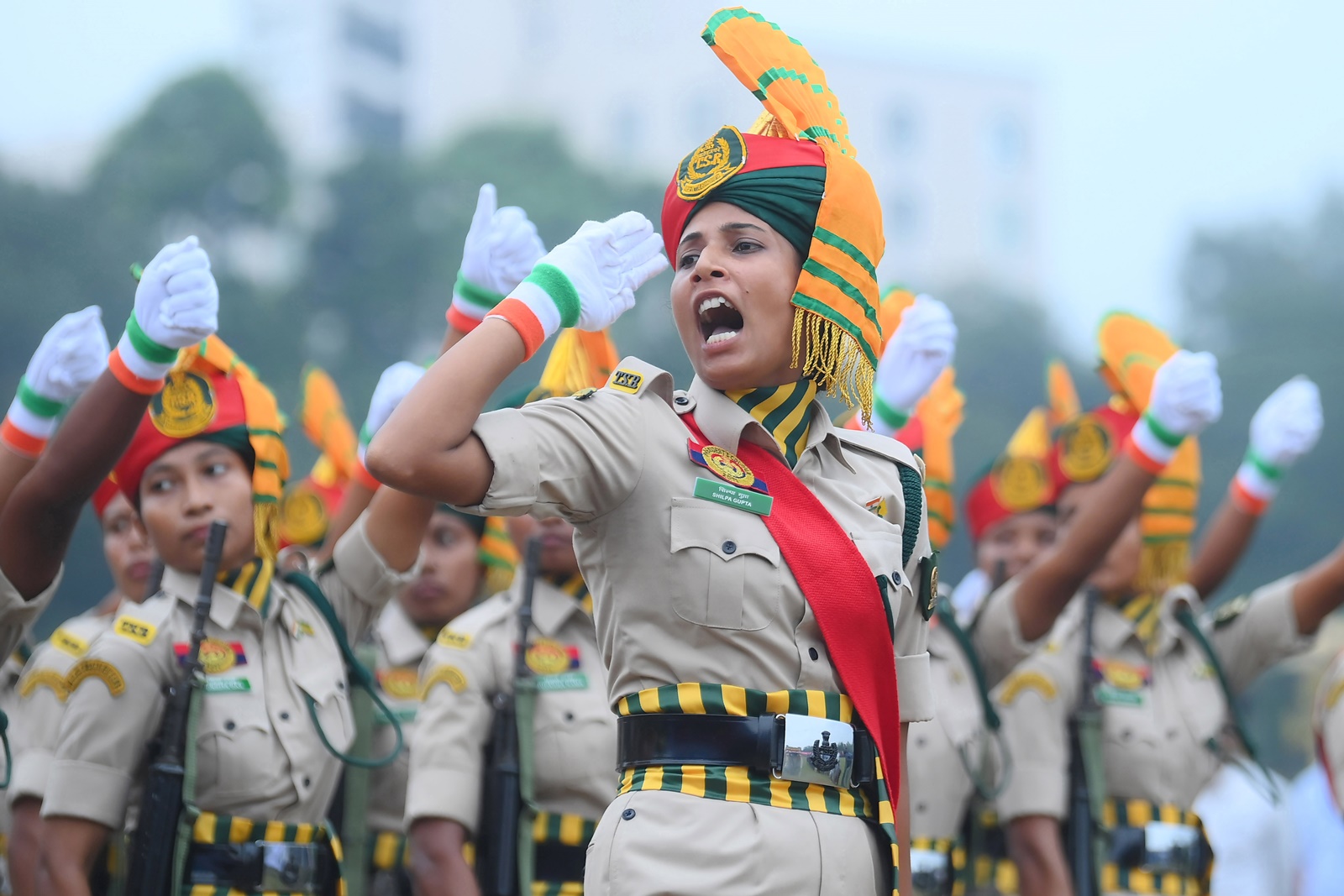 Soldiers of different platoons are seen during the parade on 77th Independence Day function at Assam Rifles ground in Agartala. (Express photo by Abhisek Saha)
An individual is required to have a high level of vigour to be able to complete this test of the Indian army. Developing it requires endurance, time, dedication, and correct technique and form, said Dr Tuteja.
Acing the various aspects of the test requires patience, dedication, consistency, and a structured training program that is carefully planned and the end goals clearly defined. “Focus on overall well-being by ensuring proper nutrition, rest, recovery, and sleep are equally important to improve one’s fitness levels, Dr Tuteja advised.
Warm up before starting to exercise: It is prudent to get the body up to temperature to optimise the workout and reduce the risk of injuries.
Footwear, form, and technique: Invest in shoes that provide proper adequate support and cushioning. Additionally, ensure correct form and technique to maximise gains and avoid injuries.
Focus on nutrition and rehydration: Replacing fluid loss during training as well as adequate nutrition, especially proteins. Additionally, maintain adequate hydration to optimize output and prevent dehydration and cramps.
Gradual Progression: Increase the intensity and duration of the training over time to allow the body to adapt and heal from the activities.
Rest and Recovery: Allow adequate time for the body to recover between intense workouts and training sessions. Additionally, using cryotherapy/ ice baths to enhance recovery can be useful.
Individuals with pre-existing medical conditions like those affecting the heart, lungs, joint pains, and pre-existing injuries should consult a healthcare professional to get a medical evaluation and obtain fitness, warned Dr Tuteja. Additionally, those recovering from an illness, surgery, or injuries should consult their healthcare providers before attempting the Indian Army PPT test. Beginners or individuals with very low fitness levels should gradually build up their fitness.