6 min read
📣 For more lifestyle news, click here to join our WhatsApp Channel and also follow us on Instagram
© IE Online Media Services Pvt Ltd



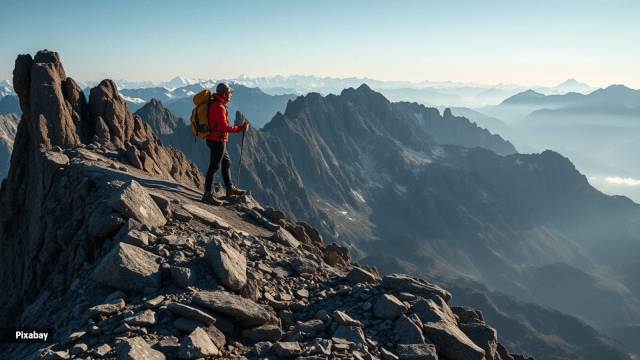 Some of these treks are only suitable for advanced moutaineers who are trained to sustain extreme weather (photo: pixabay)
Hiking is one of the most popular adventure activities. For thrill-seekers, hiking isn’t just about scenic views—it’s about testing endurance, courage, and the will to survive against nature’s fiercest challenges. Globally, many treks have earned a reputation for danger due to extreme weather, treacherous terrain, or sheer remoteness. Here are seven of the most dangerous treks in the world that adventurers tackle at their own risk.
Imagine walking on a narrow pathway, 2,000 feet above the ground, with nothing but vastness around. Many travel enthusiasts chase the chilling experience each year with a deadly hike at China’s Mount Huashan. Deemed the “world’s most dangerous trail,” Mount Huashan in Shaanxi Province features narrow plank paths, steep stairways, and cliffside ladders, complemented by panoramic views of Taoist temples perched on mountain peaks. Its most dangerous trek, the Plank Walk in the Sky, is optional and quite risky. The pathways are so narrow and risky that adventurers sometimes hike along them with nothing but a harness for safety. The breathtaking views of the peaks are unmatched, but one misstep can be fatal.
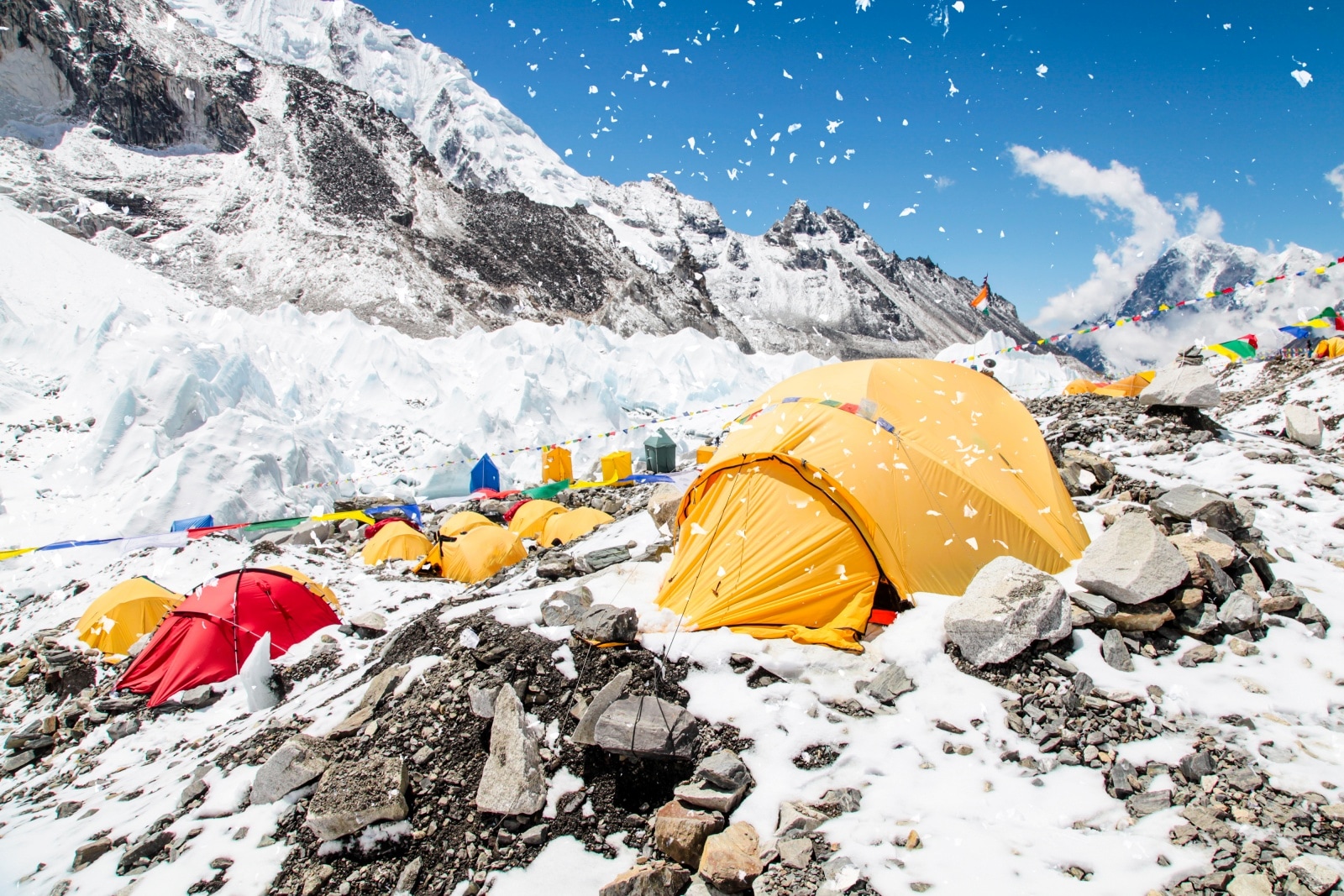 The oxygen level at Base Camp is roughly 50% lower than at sea level, which means that every breath delivers only half as much oxygen as normal
It is one of the world’s most iconic treks, with many aiming to create a world record here. The Everest Base Camp trail takes the travellers to 5,364 meters above sea level. With extreme cold and thin oxygen levels, there is a high risk for acute mountain sickness (AMS). The hikers, therefore, require proper acclimatisation and high fitness levels for permits. The trails are icy, and blizzards can arrive without warning. Yet, the panoramic views of the Everest, Lhotse, Nuptse, and Ama Dablam make the experience worthwhile.
Risks intensify and results improve on this second-most-popular hiking route in Nepal. Here, the tourists make their way to adventure at 5,545 meters above sea level, for what is touted as the best view of Everest’s peak. While the Kalapathar trail may seem shorter, the thinning oxygen, freezing winds, and steep inclines make it extremely risky. Most trekkers attempt this route for the stunning view of Mount Everest at sunrise, but proper acclimatisation and physical fitness are non-negotiable for survival. Trekkers face sub-zero temperatures even in spring.
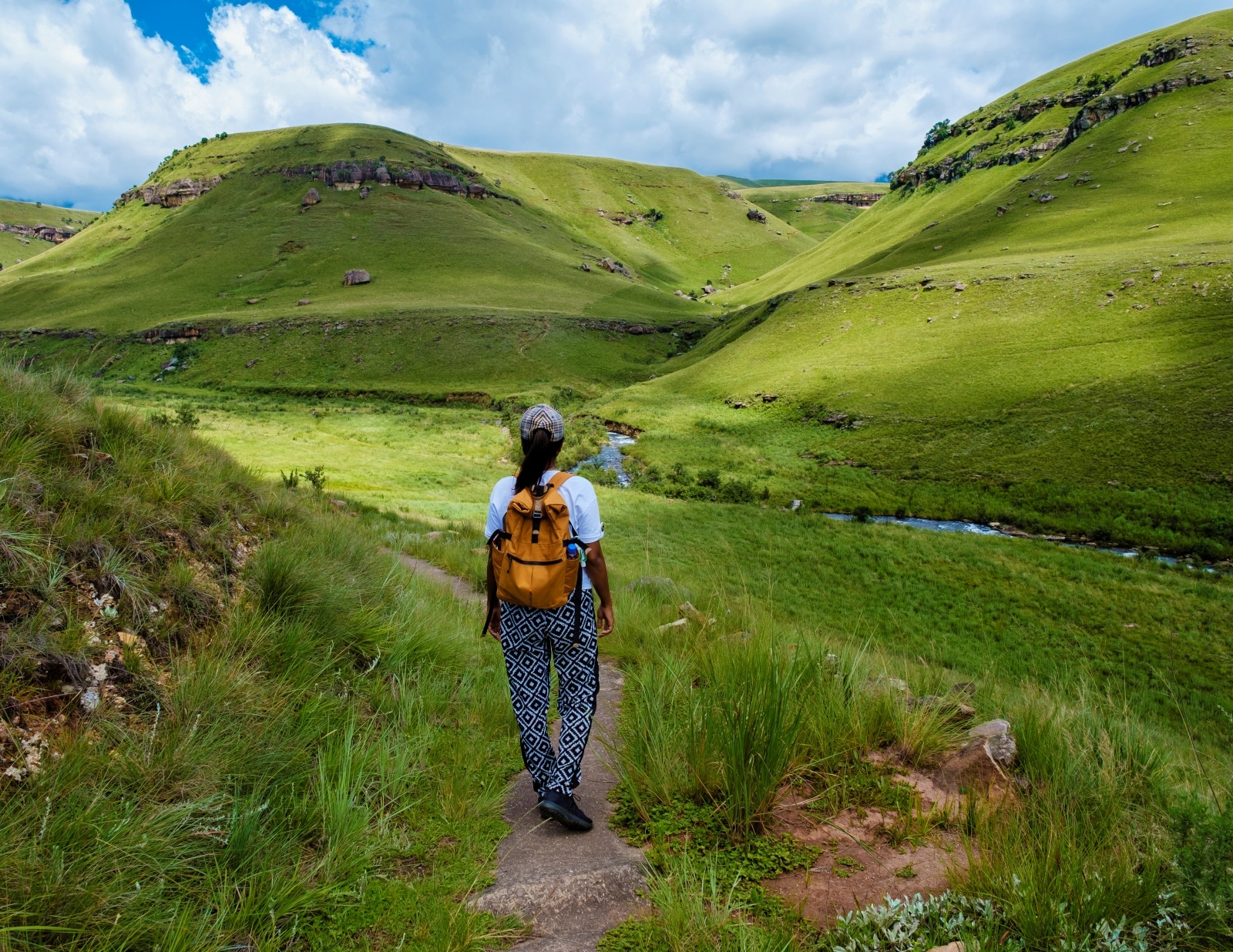 The Drakensberg range is a UNESCO World Heritage Site, home to over 35,000 ancient San rock paintings, some dating back more than 3,000 years
This hiking paradise offers a 200km stretch through the rugged terrain of the Drakensberg Mountains. Trekkers face sheer cliffs, narrow ledges, and rapidly changing weather, making navigation difficult. Hiking here requires experience with mountain terrain and often involves carrying emergency gear for self-rescue. Since there are no marked trails, navigation skills and GPS are essential. The route is popular for views of Tugela Falls, one of the world’s highest waterfalls, and for the vertical chain ladders. Given the risk factor, advanced mountaineering experience and full gear are a must.
Known as South America’s Everest trek, the Huayhuash Circuit spans between 130 and 170 kilometres, dotted with steep passes, glacial rivers, and remote valleys. Standing 5,000 meters above sea level, the trek is physically demanding. Besides physiological challenges, there’s also a risk of landslides and hypothermia. Even experienced hikers take around 10–12 days to complete the trek. The turquoise Jahuacocha and Carhuacocha lakes are quite popular among visitors. Trekkers camp in isolated valleys surrounded by glaciers, making it a once-in-a-lifetime experience.
This beautiful trek stretches about 160–230 km around the Annapurna Massif, the 1oth highest peak in the world. The full circuit is over 100 miles (160 km) long and typically takes about 15-18 days to complete. The route is infamous for avalanches, landslides, and altitude-related risks. Although the route takes the visitor through subtropical forests as well as alpine deserts, it is a unique experience. Trekkers have to make their way through narrow trails that hang over cliffs and icy mountain passes. Emergency evacuation is challenging in remote villages with limited infrastructure, making preparation crucial.
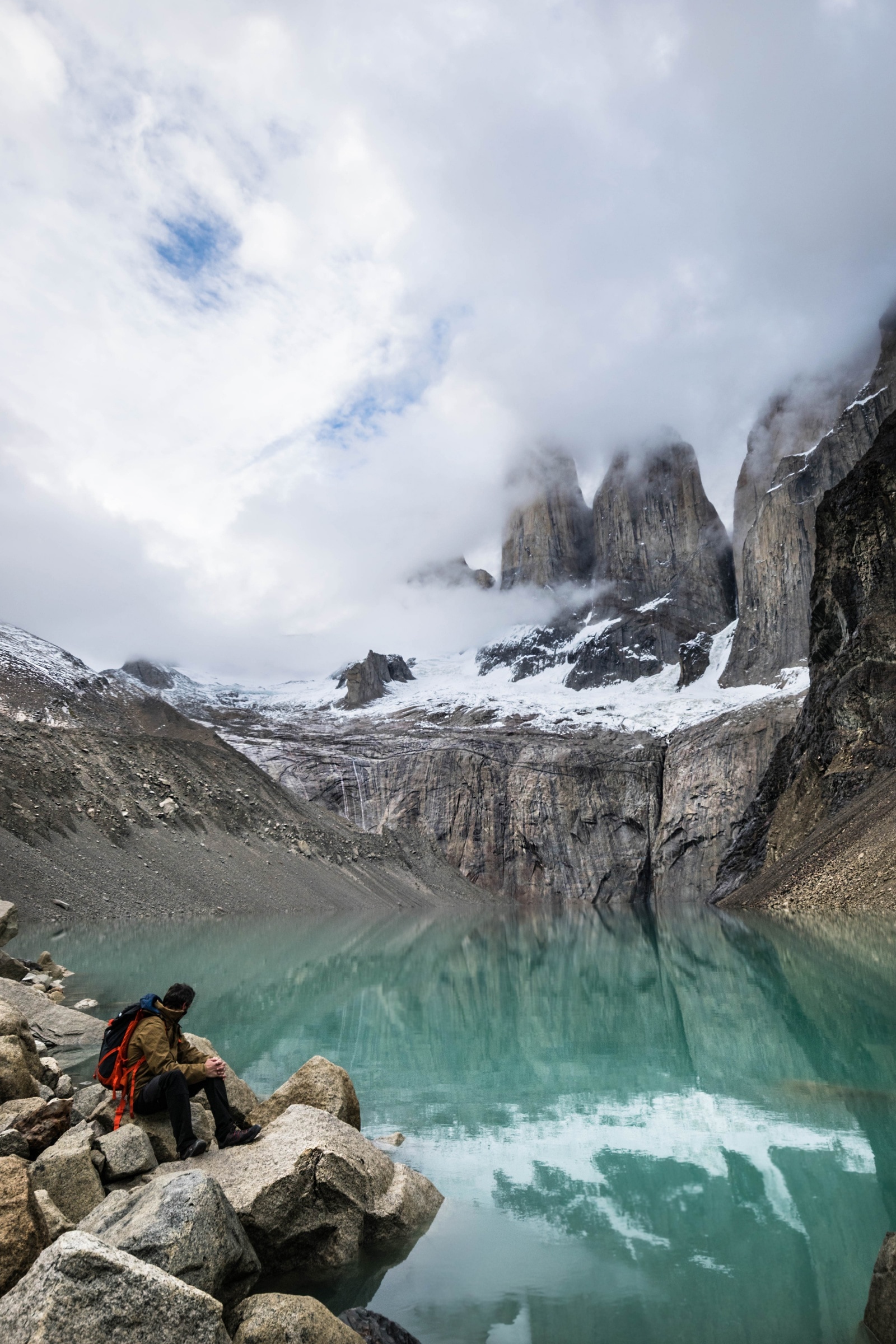 locals say that one can experience all four seasons in a single day on the Torres del Paine W Trek trail
In Patagonia, the ‘W Trek’ takes hikers through extreme weather zones where winds can exceed 100 km/h, making balance difficult. Throughout the 75 km-long trail, the rivers can swell quickly, making the paths slippery or impassable. Camping is the only option in most parts of the trail. However, the challenging route rewards adventurers with glaciers such as Grey Glacier, turquoise lakes, and jagged peaks. Given the difficult terrain, the trek demands careful planning and is better suited for advanced trekkers with cold-weather experience.