Journalism of Courage



 On August 14, a constitution bench of the SC also allowed limited retrospective effect to the July 25 judgment, permitting states to collect tax arrears from April 1, 2005 onwards without any interest or penalty.
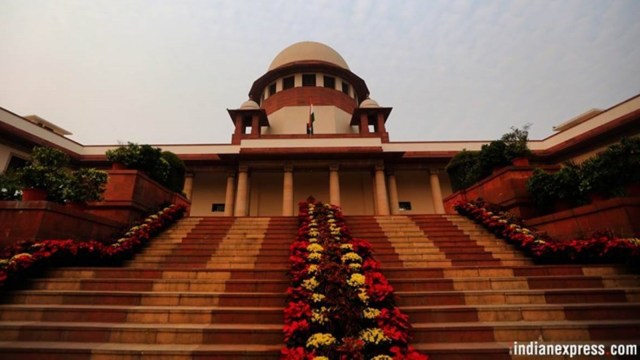
The Supreme Court dismissed petitions seeking review of its 8:1 majority verdict upholding the power of the states to levy royalty on extraction of minerals from their land and allowed them to tax the lands that comprise mines and quarries.
In its September 24 order, besides CJI D Y Chandrachud, seven other judges — Justices Hrishikesh Roy, A S Oka, J B Pardiwala, Manoj Misra, Ujjal Bhuyan, S C Sharma and A G Masih dismissed the review pleas. Justice B V Nagarathna dissented.
“Having perused the review petitions, there is no error apparent on the face of the record. No case for review under Order XLVII Rule 1 of the Supreme Court Rules 2013 has been established. The review petitions are, therefore, dismissed,” the eight judges said in the order.
Passing a separate order, Justice Nagarathna said, “Perused the review petitions, a case for review under Order XLVII Rule 1 of the Supreme Court Rules, 2013 is made out”.
On July 25, in an 8:1 majority verdict, the apex court held that the legislative power to tax mineral rights vests with the states and the royalty paid on minerals was not a tax.
On August 14, a constitution bench of the SC also allowed limited retrospective effect to the July 25 judgment, permitting states to collect tax arrears from April 1, 2005 onwards without any interest or penalty.
The Centre sought review of both the judgments saying “the ultimate impact of the retrospective application of the judgment is that the common man may have to bear the burden of the extraordinary dues that will be presented to the entire sector. This would be extremely deleterious to the economic health of the nation and would unnecessarily burden the common man.”
However, the top court dismissed all review petitions.

 2 min read