


Stay updated with the latest - Click here to follow us on Instagram
Tags:


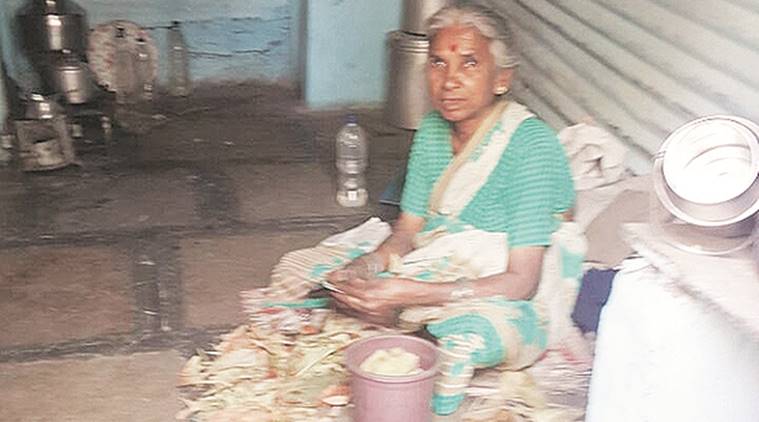
Dattubai Krishnai Jadel (70) is a widow. At 11 am, after making a meal of dal, rice and bhakri, she settles down to roll beedis. She has a target of 800 to complete. This would fetch her Rs 110. In the heart of Solapur city, clusters of row houses with women furiously filling tobacco into neatly-cut leaves rolled into beedis is a common sight. Renuka Balaji Bilgunde (40) has set the target of 1,000 beedis. This would earn her Rs 140. Surajana Konda, bogged down with domestic duties, manages 800 beedis. Away from the heat and dust of electoral politics, 65,000 beedi workers in Solapur have only one issue on their minds: Will someone help them overcome the ordeal of running to banks twice a month to collect their payments?
WATCH VIDEO | Fake Rs 2,000 Notes From Pakistan Smuggled Into India Through Bangladesh Border


Surajana explains, “Earlier, if we earned Rs 1,200 or Rs 2,400, we were immediately paid the entire amount. Now, banks either pay us Rs 1,000 or Rs 2,000.” The missing Rs 200 pinches. “We do not oppose the fight against corruption or the change. But somebody should end our ordeal. If we spend four hours at the bank, our work suffers. Who will compensate for the loss of Rs 110 daily?” she asks.
In the city, there are 12 beedi factories with 137 branches, which provide daily wage work to almost 65,000 women. The beedi workers are unfamiliar, and hence apprehensive, about technology. Laxmibai Perala says, “Prior to cashless transactions, we had fixed dates for payment. The factory supervisor would maintain a register. We would get our daily wages every month on 2, 9, 17, 24. We knew exactly how much to expect and if there was a discrepancy, it would be pointed out on the spot. Now, we cannot immediately update our pass books, as it requires another visit to the bank.”
Beedi workers fear that if they don’t update their accounts regularly, factories may manipulate the wages and cite some reasons to justify underpayment.
There are other complaints against factories. Renuka says: “Every day, we collect tobacco and bundles of leaves from the factory. The process of putting the leaves in water, cutting them and rolling the beedis follows. But when we take the beedi bundles to factories, they reject them and cut our payment if the leaf has colour variations. To ensure quality, we have to shell out money from our own pockets.”
Says CPI (M) leader Adam Master, “What is more worrisome is the Centre incorporating difficult provisions that would impact beedi workers. Now, they want factories to have a label saying tobacco chewing is harmful for health. Or they want to do away with this work. The question is, what will happen to the 90 lakh beedi workers across India?”


Stay updated with the latest - Click here to follow us on Instagram


