


Stay updated with the latest - Click here to follow us on Instagram
© The Indian Express Pvt Ltd
Tags:


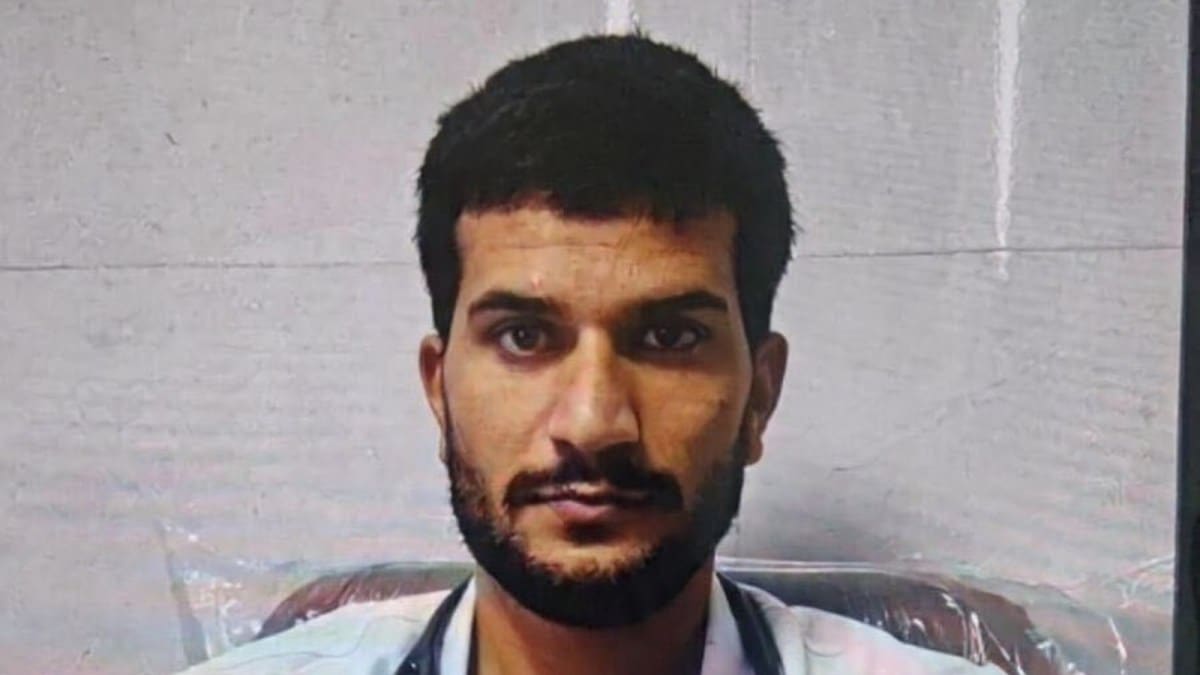
Delhi Blast Case: Because of differences over ideology, finances and the method of executing an attack with the rest of the members of the Jaish-e-Mohammed terror module, Red Fort car bomber Umar Nabi skipped the wedding of his co-conspirator Adeel Rather at the beginning of October. However, once cleric Mufti Irfan Wagay was detained in the Valley, Umar rushed to Kashmir’s Qazigund on October 18 to mend bridges with the rest of the group and “keep them on track”, investigators have told The Indian Express.
According to highly placed sources, the arrested accused — Muzammil Ganai, Rather, and Wagay — were often not on the same page as Umar. While the group was more inclined towards an Al Qaeda ideology, Umar considered ISIS or Daesh his model.


Sources said Umar also “saw himself as a successor to the militant legacies of Burhan Wani and Zakir Moosa in Kashmir”. Investigators said he had been researching IEDs since 2023.
Another contentious issue between the group was Umar’s lack of accountability over the use of the funds, a significant portion of which, as per sources, came from Shaheen Shahid Ansari, Ganai’s colleague at Al Falah University, who is among the arrested accused.
According to sources, the Delhi blast took place a little over three weeks after the Qazigund meeting, where Umar is believed to have reconciled with the group to “steer them in the desired direction”.
The group termed themselves the “Interim Ansar Ghazwatul Hind”, which security agencies suggest works as an arm of al-Qaeda in the Indian Subcontinent (AQIS). The interim AGuH named Rather its “Ameer” or head, sources said.
The J&K police, in their press note dated November 9, had also stated that the group was part of an “inter-state and transnational terror module,” linked with proscribed terrorist outfits, Jaish-e-Mohammad (JeM) and Ansar Ghazwat-ul-Hind (AGuH). Wagay, Ganai and Rather were first named in this note.
According to investigators, Wagay’s arrest led the police to the rest of the module and the recovery of 2,900 kg of “IED making material”, which police said included explosives, chemicals, reagents, inflammable material, electronic circuits, batteries, wires, remote control, timers and metal sheets.
Investigators said Umar and Ganai both held keys to the Faridabad room where the explosives were found. “Umar is learnt to have experimented with a lot of chemicals,” said the source.
At the centre of this investigation is the Nowgam police station, where the recovery from this module was stored. However, four days after the Delhi blast, during a sampling of the explosives, an “accidental explosion” killed nine people at the spot and left 27 injured.
The J&K police have ordered a high-level inquiry into the incident under the Union Territory’s Principal Secretary, Home, and Inspector General, J&K Police, Kashmir Zone.


Stay updated with the latest - Click here to follow us on Instagram


