


Stay updated with the latest - Click here to follow us on Instagram
© The Indian Express Pvt Ltd
Tags:


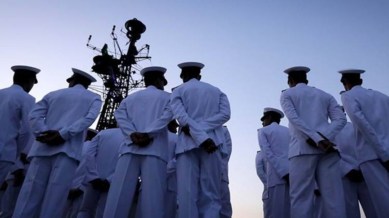
The ‘stitched ship’ — Indian Naval Sailing Vessel (INSV) Kaundinya — sailed from the Naval Base in Karwar to Porbandar on Saturday. The vessel, with a 16-member Indian Navy crew aboard, will cast off from Porbandar for Oman on December 29 on a historic voyage retracing ancient maritime trading routes, as part of an initiative to revive and honour India’s traditional maritime heritage.
The ‘ancient’ ship, modelled on a fifth-century vessel depicted in a painting in the Ajanta caves, has been recreated using traditional stitching techniques. It was constructed by artisans and traditional shipwrights from Kerala using coconut fibre stitching, traditional wooden joinery, coir rope and natural resins, and is powered by cotton sails. The vessel was inducted into the Indian Navy in May and had been docked at Karwar for trials.

The project — part of an initiative to revive India’s rich maritime heritage — is being executed through a tripartite agreement between the Indian Navy, the Ministry of Culture and Goa-based shipbuilding company Hodi Innovations (OPC) Private Ltd.
“The vessel is expected to reach Porbandar port in Gujarat in 8–10 days. It is expected to set sail from Porbandar to Oman on December 29,” an official said. The official added that the 16-member crew has undergone extensive training for sailing aboard INSV Kaundinya. “Harbour training included rigging and carpentry by traditional artisans,” the official said.
The sails of the stitched ship display motifs of the ‘Gandabherunda’ — a two-headed eagle that was the royal insignia of the Kadamba dynasty, which ruled the Konkan coast — and the Sun. The ship’s bow bears a ‘Simha Yali’, and a symbolic Harappan-style stone anchor adorns the deck. The ship is named after a legendary Indian mariner who sailed across the Indian Ocean to Southeast Asia.
According to legend, about 2,000 years ago, an Indian merchant vessel was sailing along the Mekong Delta (southern Vietnam). On board was an Indian merchant named Kaundinya and a crew of Indians. The ship came under attack from pirates. While Kaundinya and the crew fought them off, the ship was damaged and had to be beached for repairs. A local Naga clan — led by warrior queen Soma — then surrounded the crew. Outnumbered and facing certain defeat, Kaundinya organised a defence. Their fortunes turned when Soma fell in love with Kaundinya and proposed marriage. The couple went on to establish the kingdom of Funan.
The stitched-ship method of shipbuilding fell out of favour after European powers colonised the Indian Ocean region. It was later discovered that stitched ships had a fatal flaw: they were not suitable for the use of cannons, as they could not withstand the recoil from cannon fire on their own ships.
Stay updated with the latest - Click here to follow us on Instagram


