


Stay updated with the latest - Click here to follow us on Instagram
© The Indian Express Pvt Ltd
Tags:


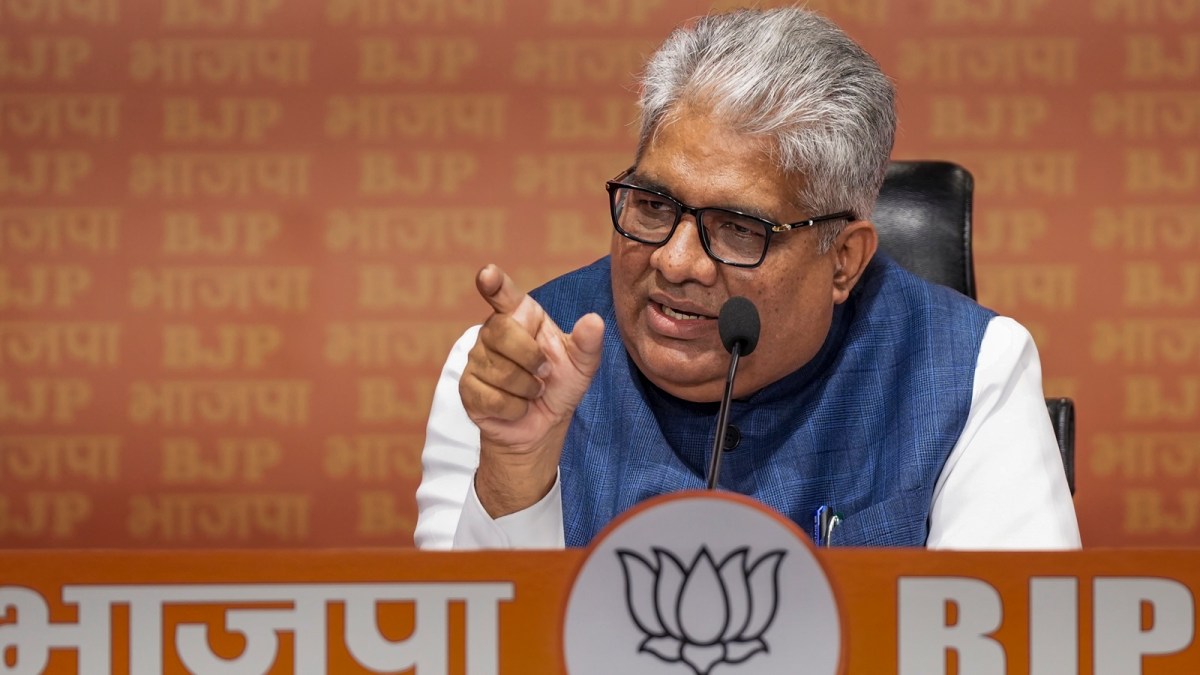
Addressing the issue for the second day in a row, Union Environment Minister Bhupender Yadav on Monday underlined that mining would be allowed in only 0.19% of the Aravalli hills, and no new mining leases would be granted until a detailed study is undertaken.
His remarks come in the backdrop of criticism and protests over the new definition of Aravalli hills—any landform that is at an elevation of 100 metres or more above the local relief.


Yadav said that as per the Supreme Court’s orders, the Indian Council of Forestry Research and Education (ICFRE) would prepare a Management Plan for Sustainable Mining (MPSM).
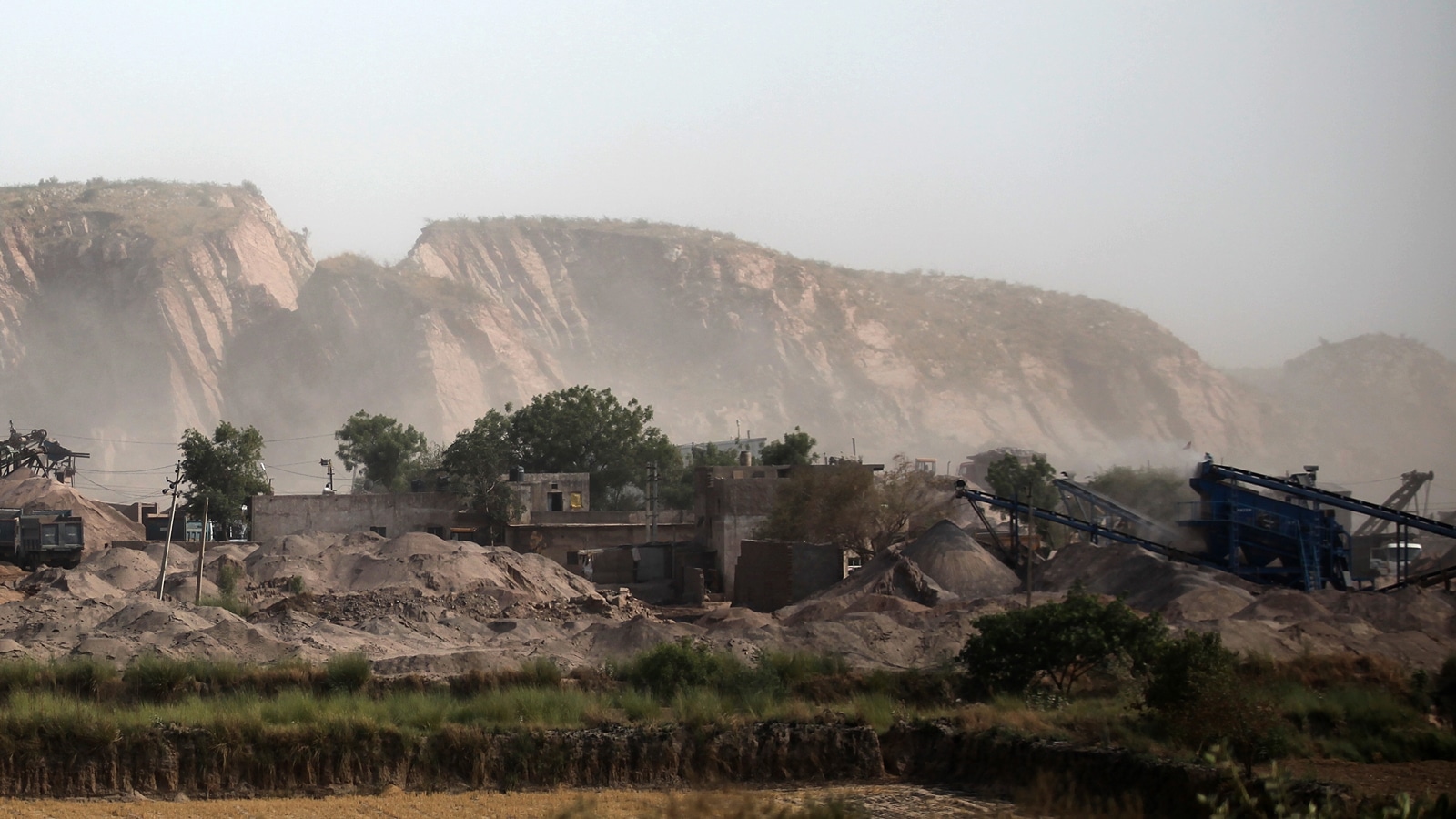
“The court asked to form a technical committee only for the purpose of the mining sector, and this (new definition) is also restricted to the purpose of mining. Even after this definition, the order has stated that no new mining leases would be given,” Yadav said. The only exception, he said, would be made in the case of critical, strategic and atomic minerals.
“They (ICFRE) will prepare a detailed district-by-district plan. It will be clarified which hill can be mined or not,” Yadav said.
The technical expert committee, led by Union Environment Ministry officials, had submitted the uniform definition of the Aravalli hills and ranges to the Supreme Court.
The Indian Express had first reported on November 27 that the new definition left more than 90% of the range out of the Aravalli umbrella, and vulnerable to mining and construction.
Seeking to explain the new definition, Yadav had said on Sunday that it does not relate only to a hill’s elevation of 100 metres, but also considers its entire spread at the base. “…The height of 100 metres will be measured from the base of the mountain structure, and mining will not be allowed around or beneath the hill’s structure.”
Reading from the Supreme Court’s November 20 judgment, Yadav, on Monday, sought to underline that the expert committee’s recommendations on core and inviolate areas were accepted by the court. Meanwhile, he added, the ICFRE study would also identify permissible areas for mining, ecologically sensitive, conservation critical, and restoration-priority areas within the Aravalli landscape.
The Aravallis act as a green barrier, preventing desertification in the Indo-Gangetic plains, Haryana and western Uttar Pradesh. The Supreme Court had noted in its judgment that the mountain range faces escalating degradation pressures.
It had said that taking all aspects of the matter into consideration, especially the rich biodiversity, the protected areas, aquifers and wetlands, a Management Plan for Sustainable Mining should be prepared before permitting sustainable mining activities.


Stay updated with the latest - Click here to follow us on Instagram


