Journalism of Courage



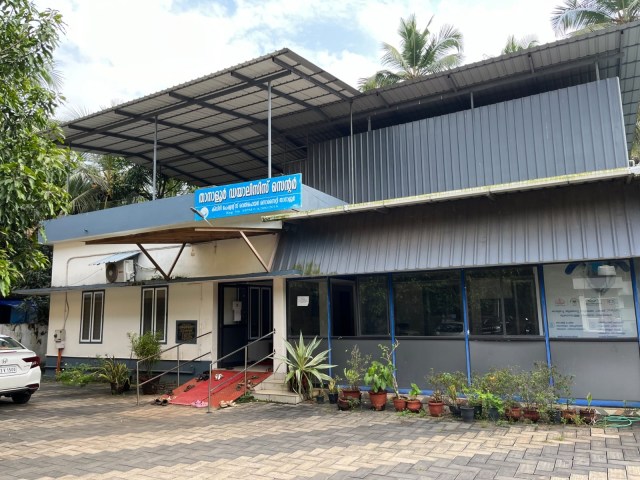 The CAG report pointed out that the per capita out-of-pocket expenditure on health in the state was the second-highest in the country. (Representational image/Express Photo)
The Comptroller and Auditor General (CAG) report on public health infrastructure and management of health services in Kerala for the period between 2016 and 2022 has flagged a shortage of manpower, poor infrastructure, inadequate supply of drugs and lack of minimum essential services as prescribed by Indian Public Health Standards (IPHS) in the state’s health sector.
It pointed out that the per capita out-of-pocket expenditure on health in the state was the second-highest in the country.
The report, tabled in the state Assembly on Tuesday, also pointed at anomalies in the procurement of medical supplies during the time of the pandemic.
It also said the implementation of some centrally sponsored schemes in the state’s health sector was not satisfactory.
“Under Pradhan Mantri Jan Arogya Yojana (PMJAY), inordinate delay in payment of insurance claims to beneficiaries was noticed. A District Implementation Unit to support the implementation of PMJAY and a combined unit for anti-fraud, medical audit and vigilance at state level with district-level officers were not formed. The number of beneficiaries covered under Janani Suraksha Yojana and Janani Shishu Suraksha Karyakram was low,” it said.
According to the report, the audit observed shortcomings in the provisioning of basic patient amenities, such as seating facilities, toilets, drinking water, ramps, and others in district and taluk hospitals. A shortage of doctors, nurses, pharmacists and lab technicians against sanctioned posts was noticed in hospitals at all levels.
The deficiency of manpower in public hospitals not just affects the public’s ability to access quality healthcare, but also exerts pressure on the available resources, thereby compromising on effective delivery of healthcare services, the report said.
Among other findings of the report were: the doctor to population ratio was most adverse in two out of 14 districts of the state; the shortage of accredited social health activists in the districts ranged from three to 33 per cent in 13 out of 14 districts; family health centres were not providing services as intended under the Aardram Mission due to lack of infrastructure, manpower, etc; and thus the aim to provide augmented services at reasonable costs, time and satisfaction had not been met.

 2 min read